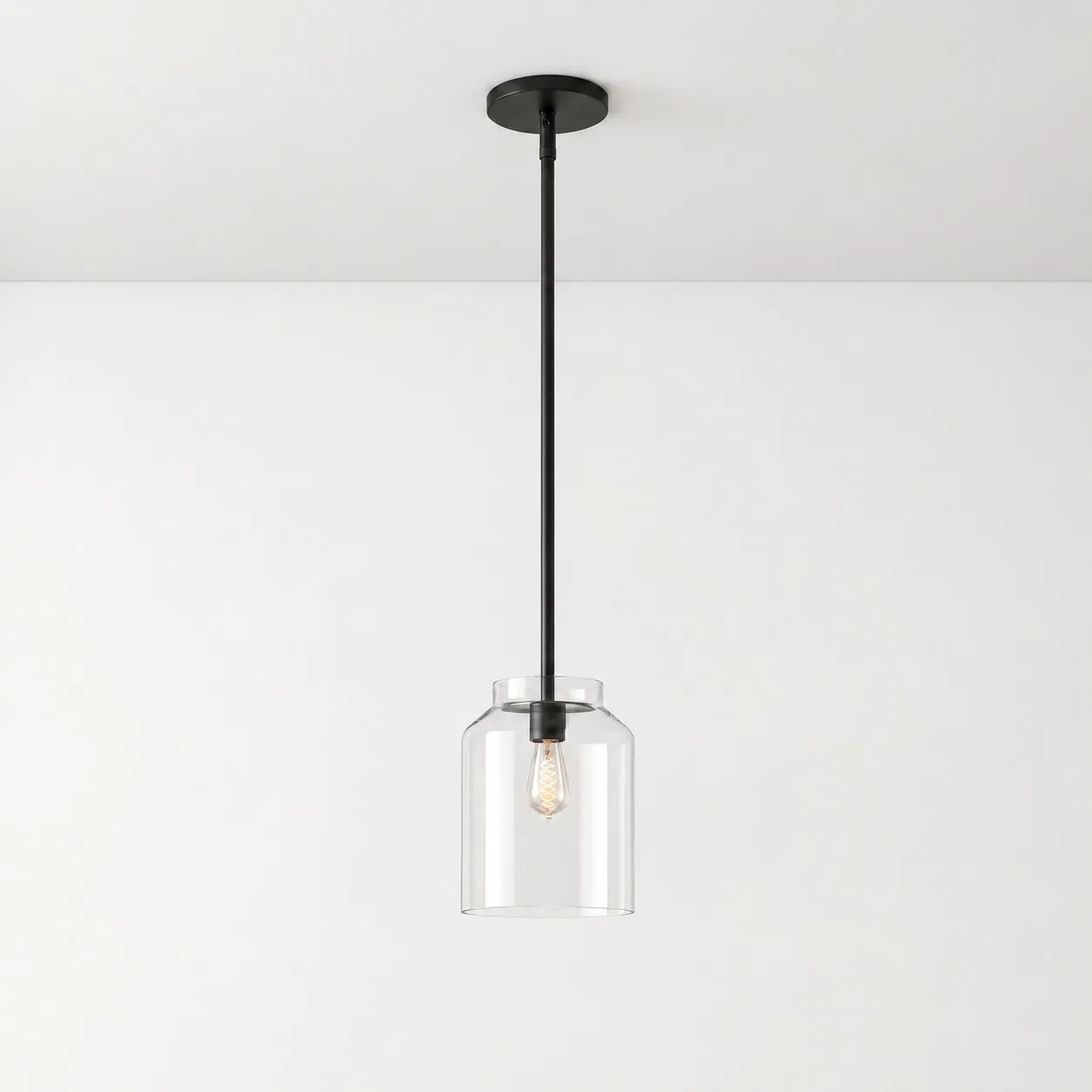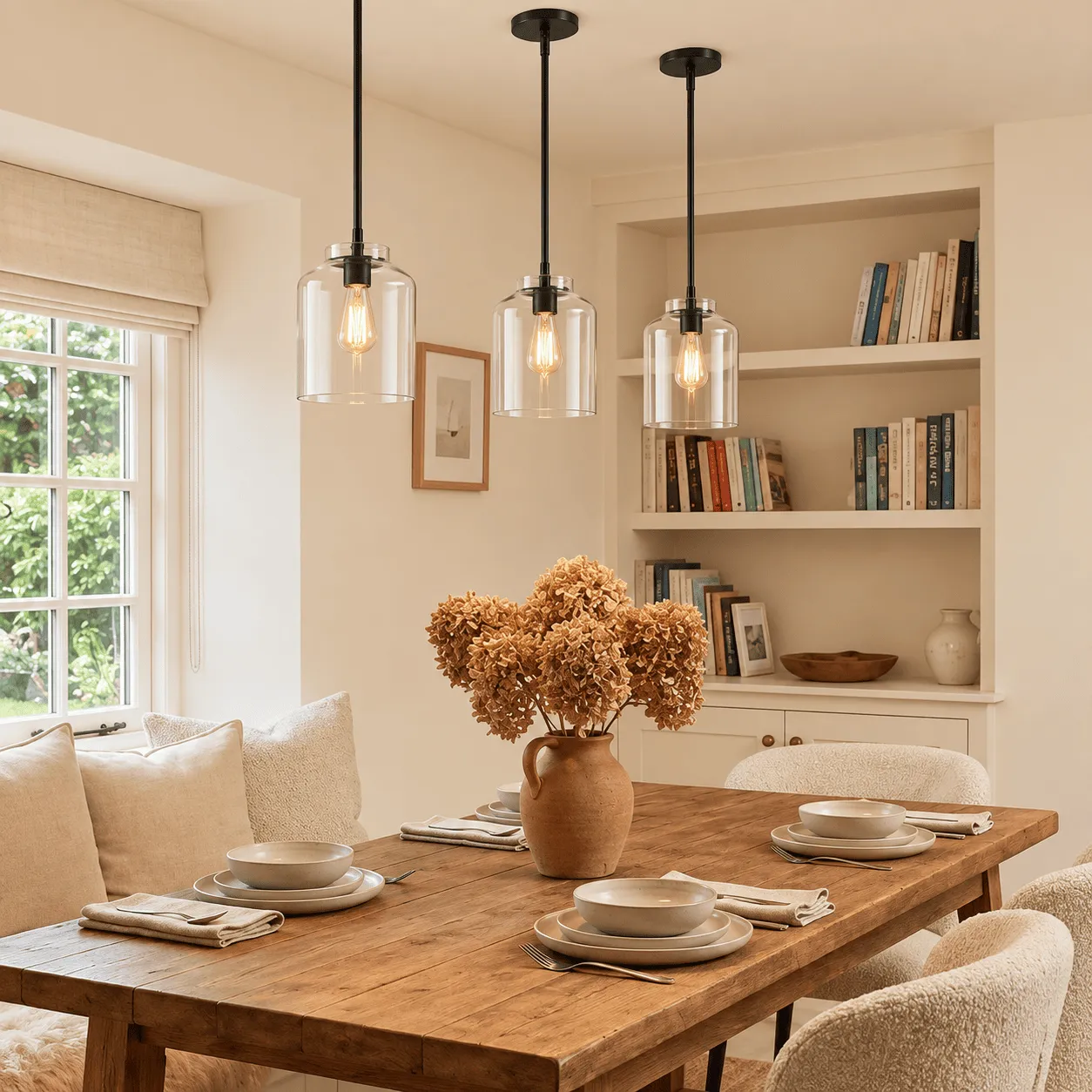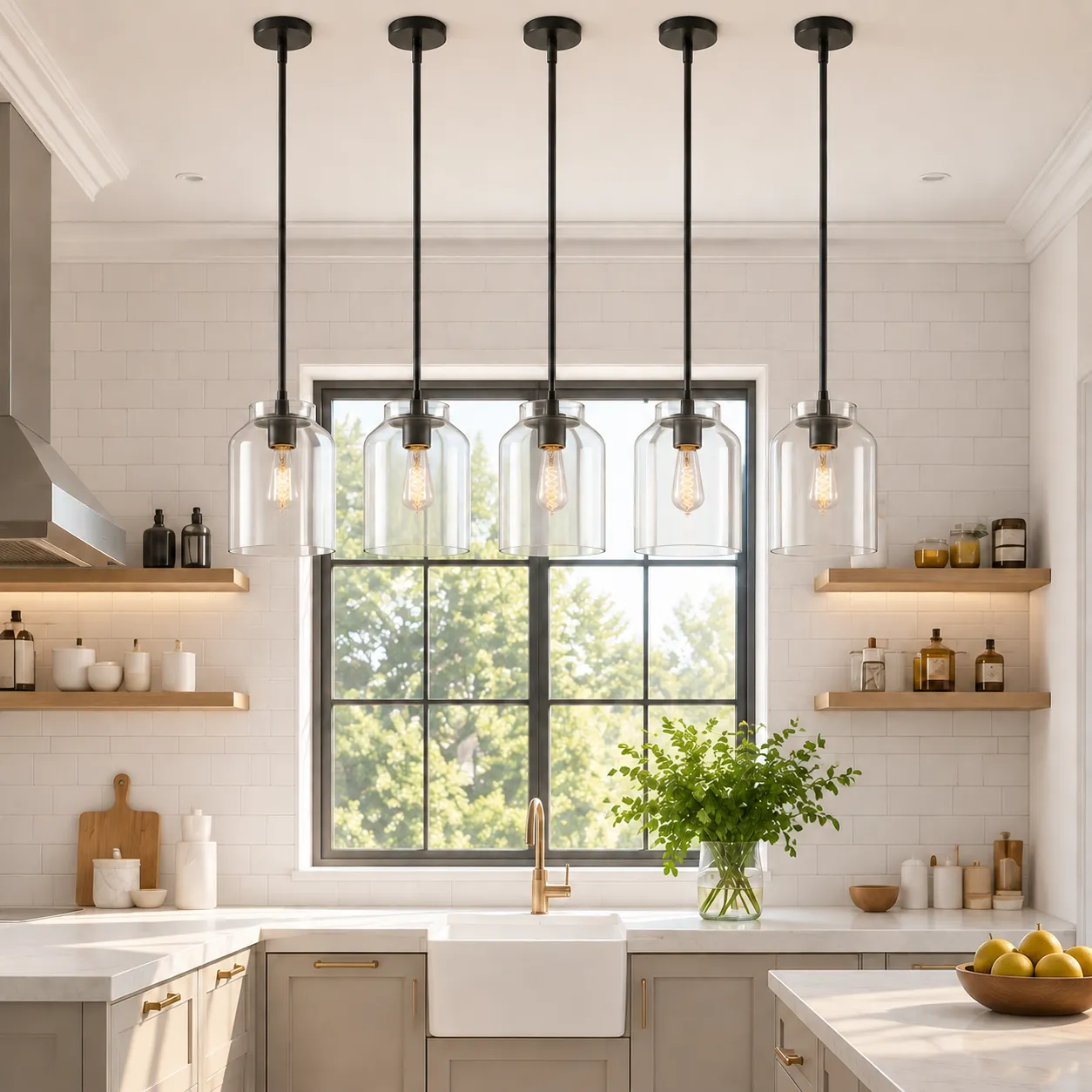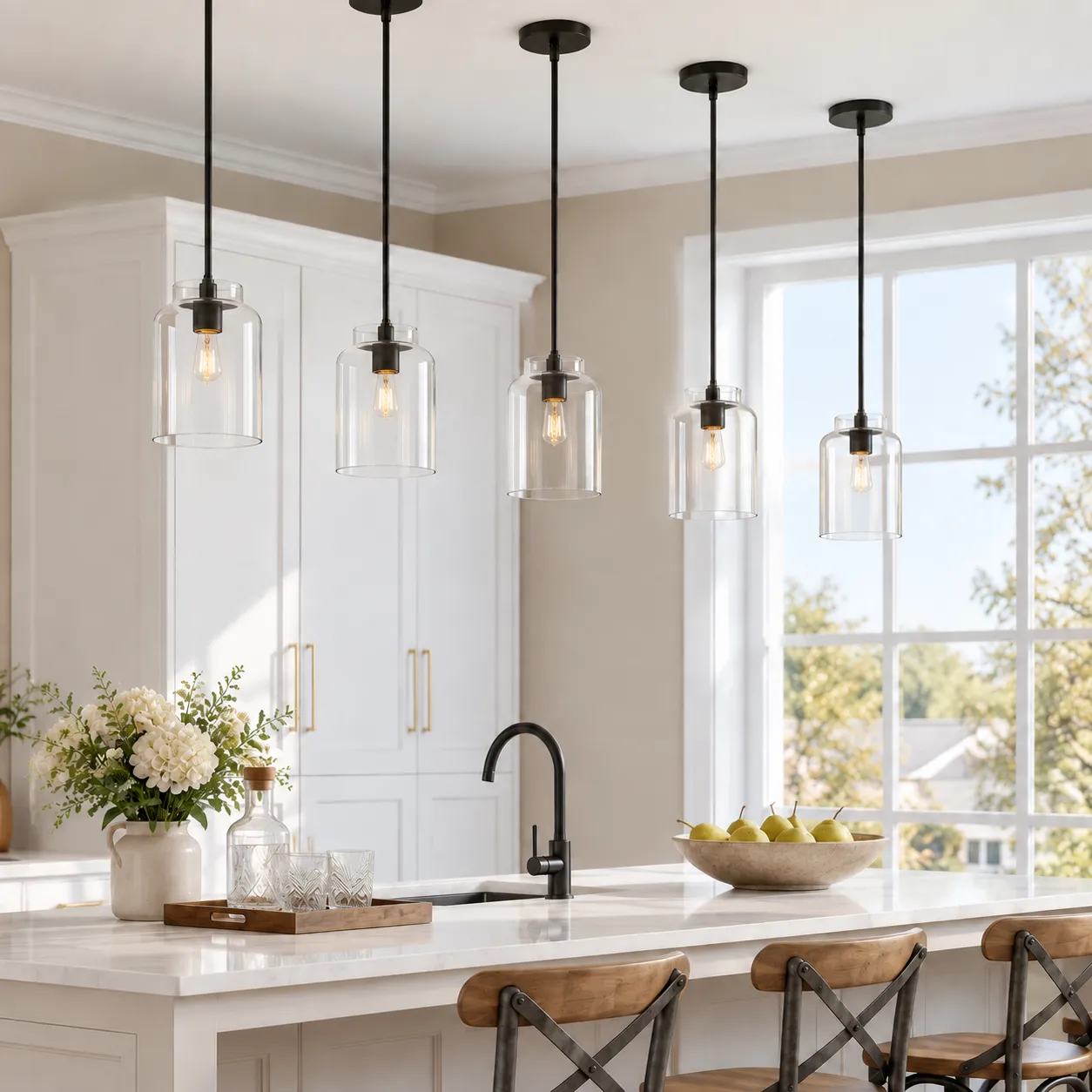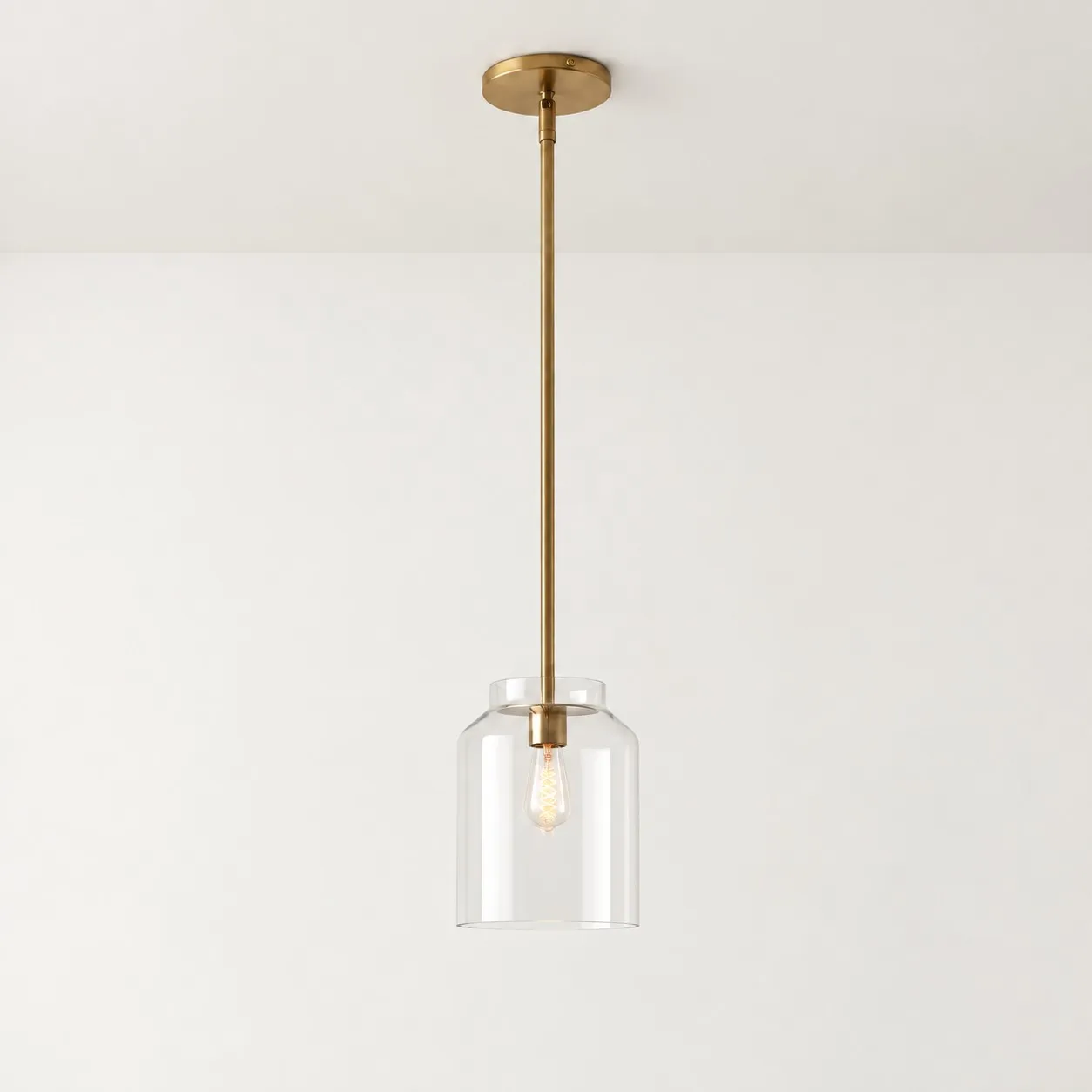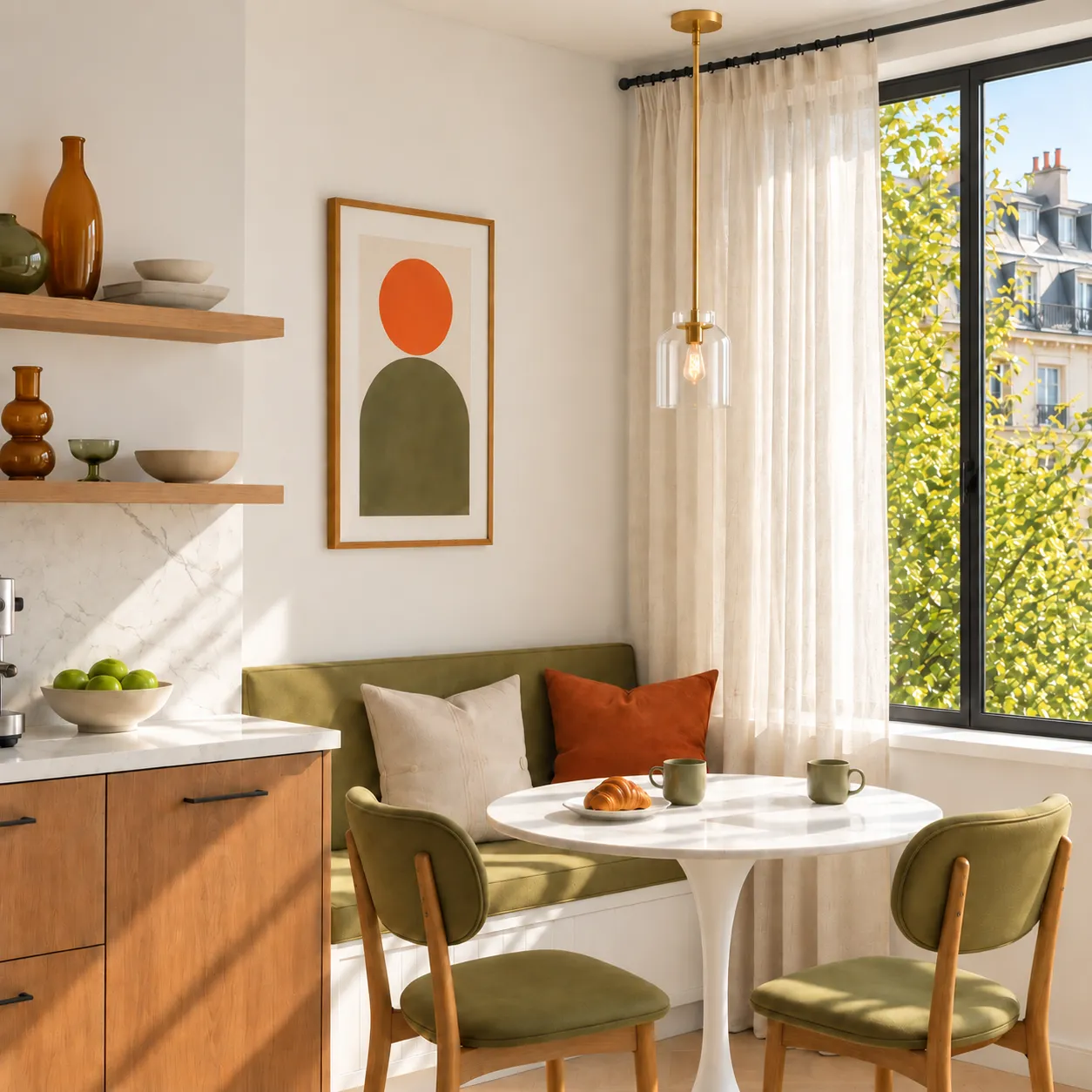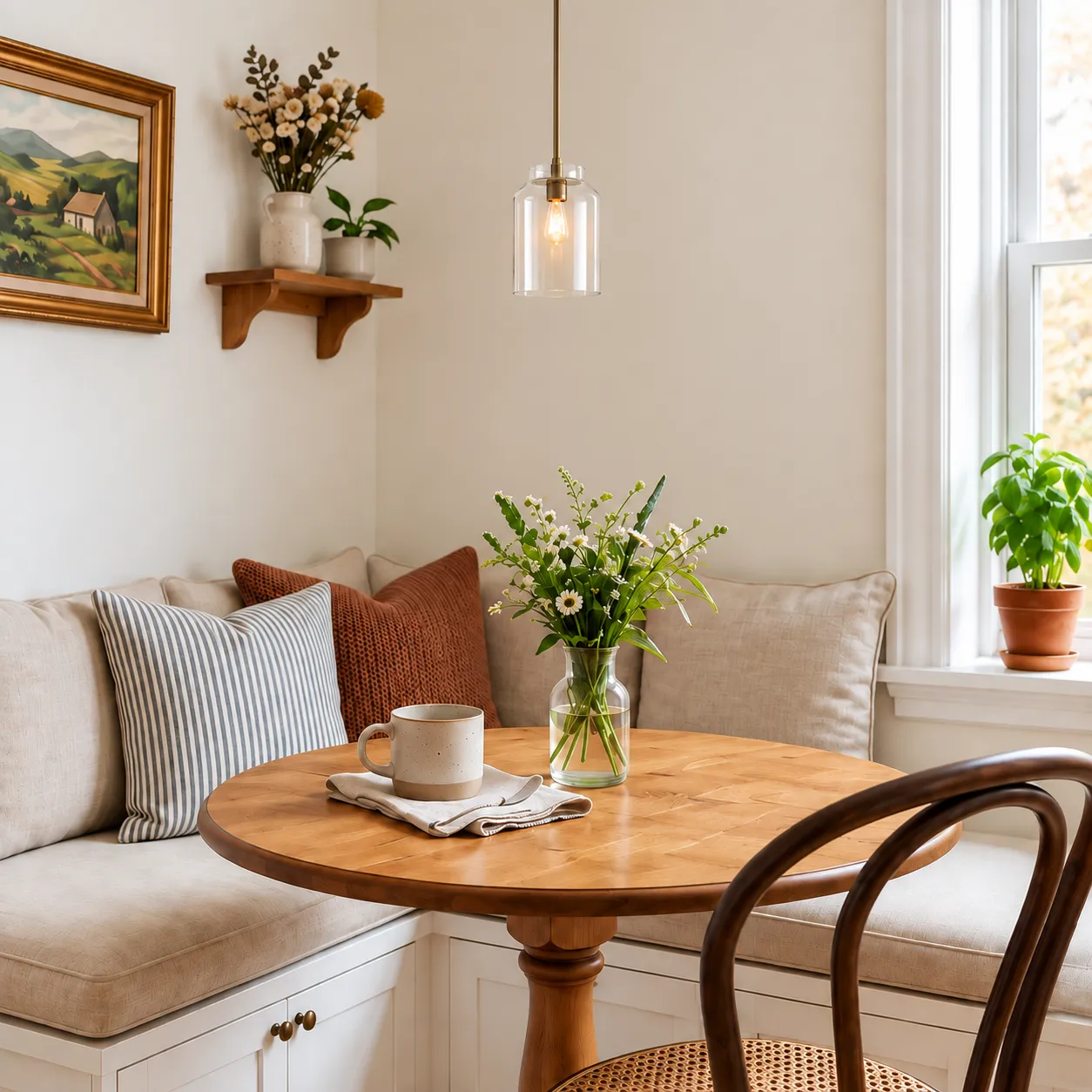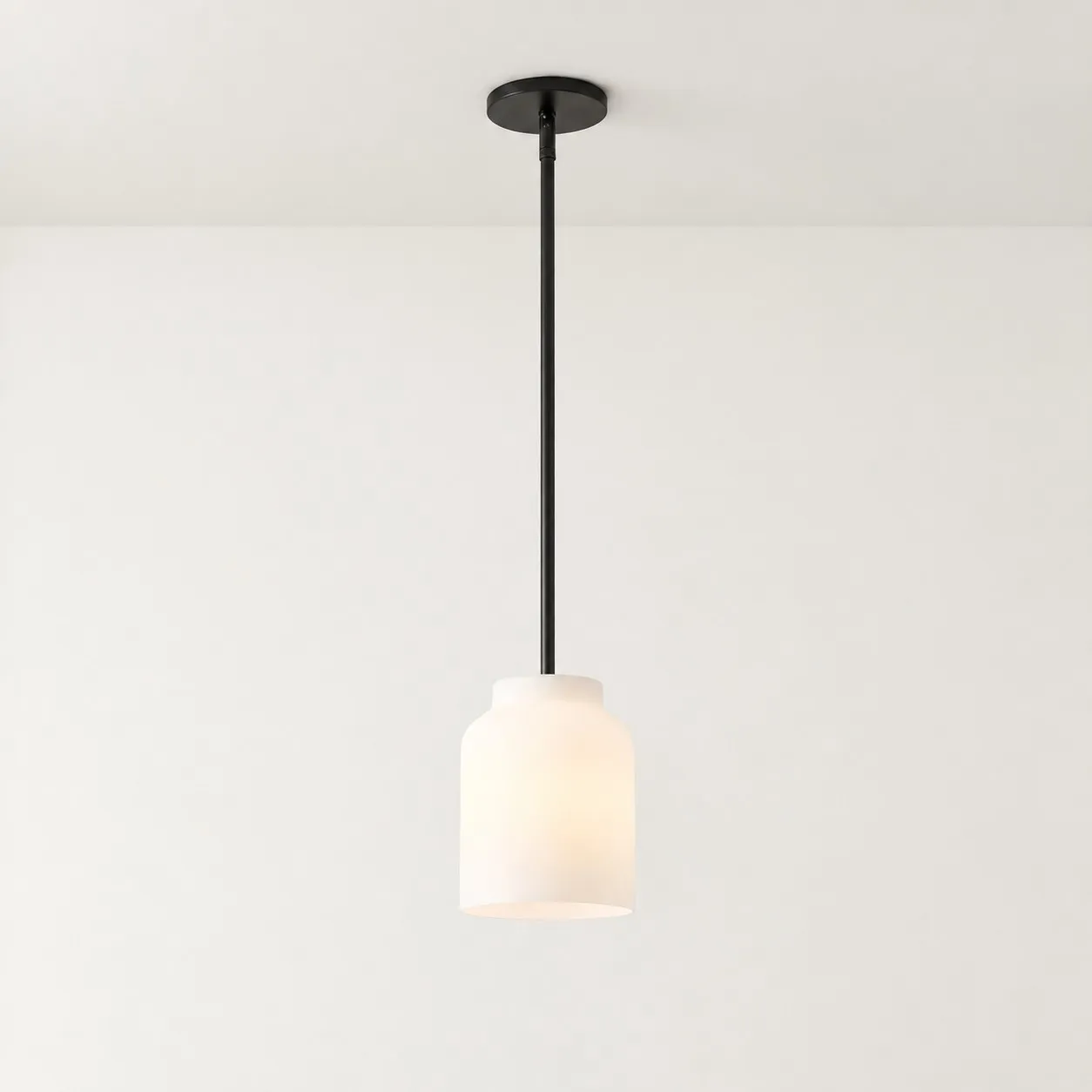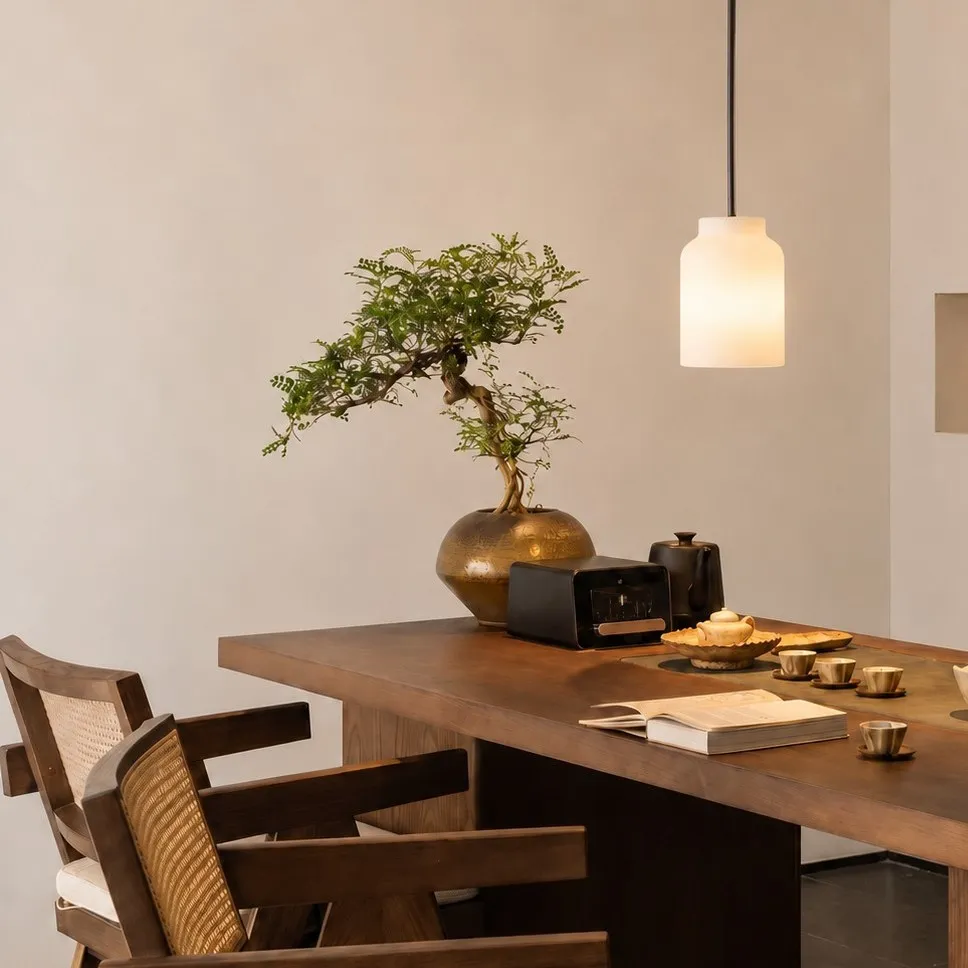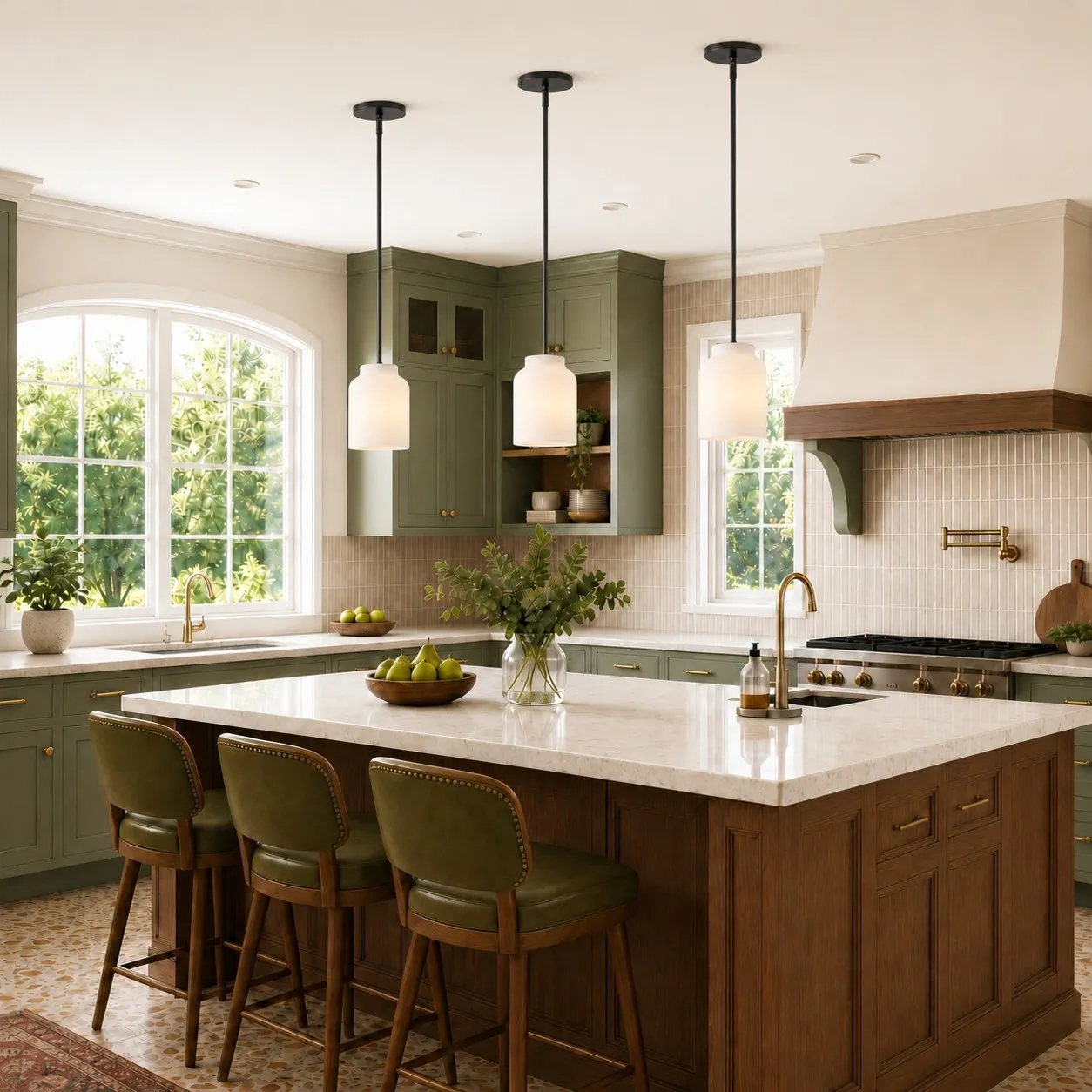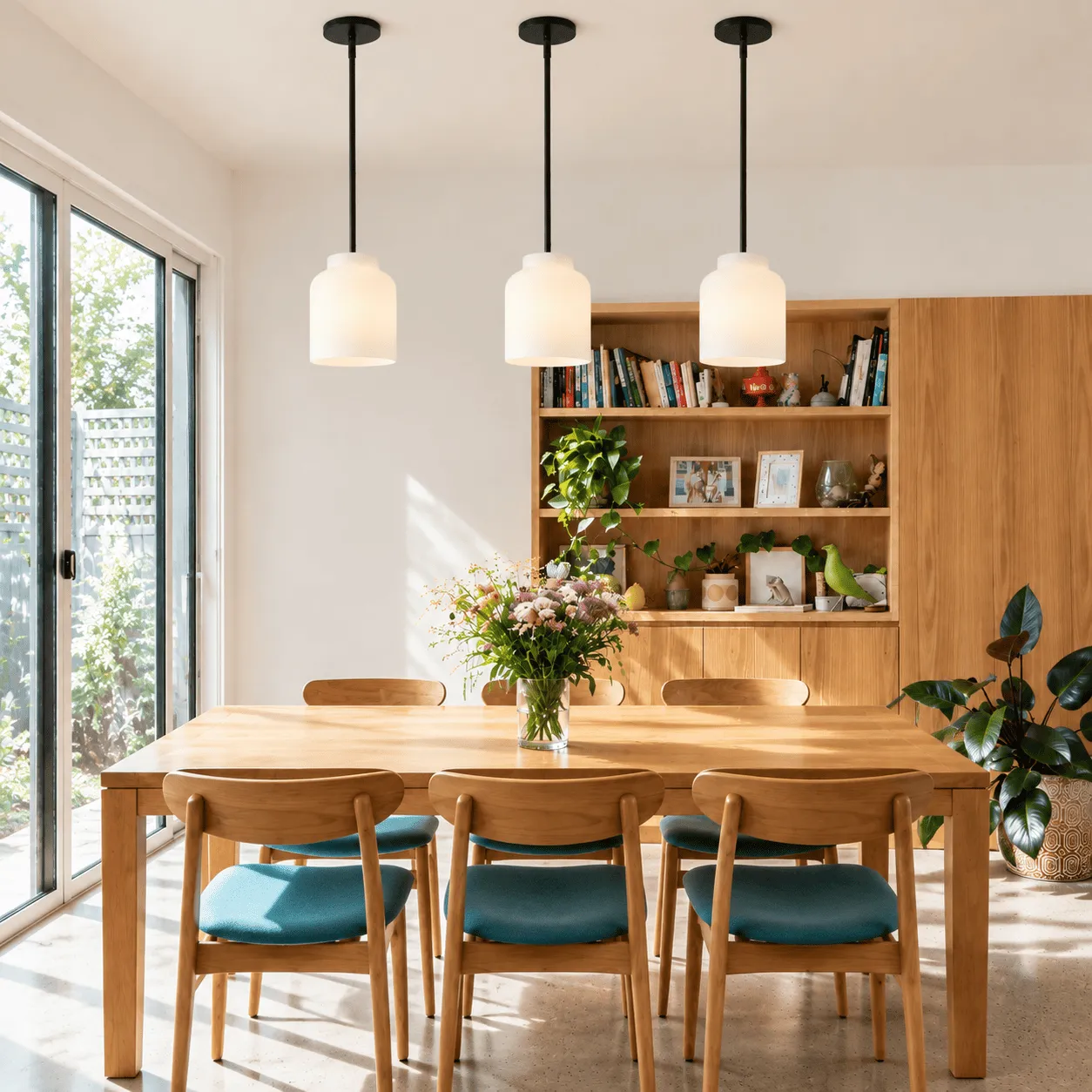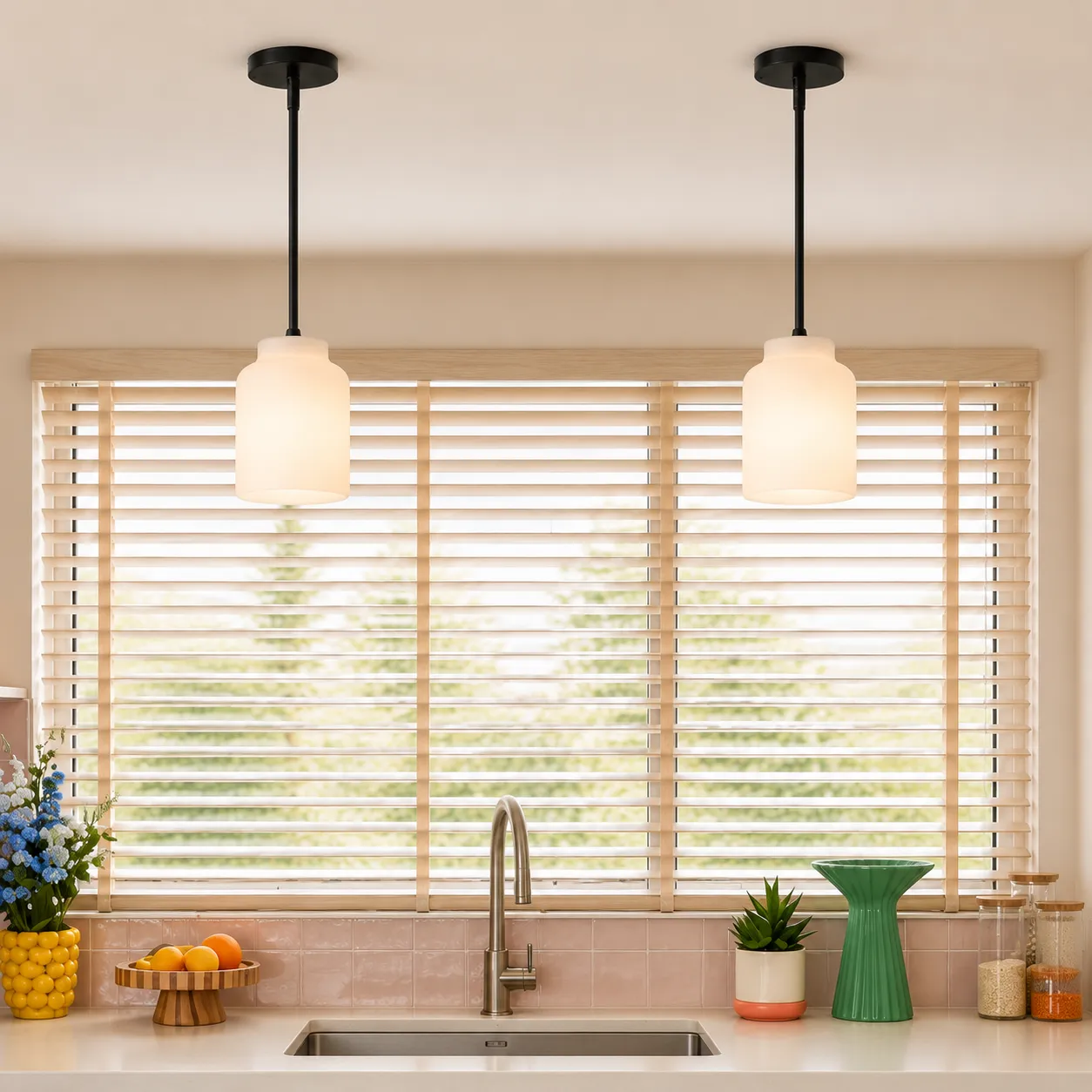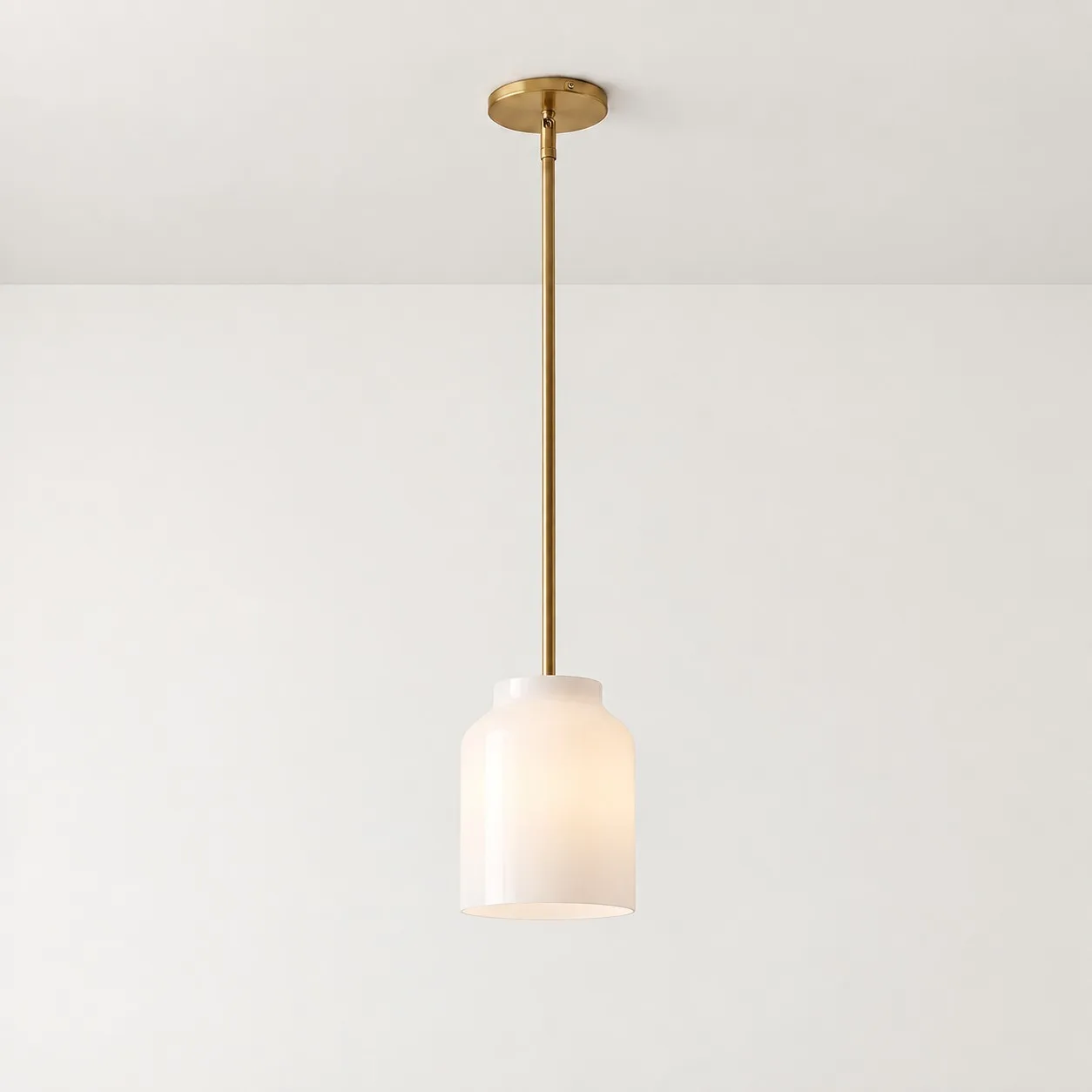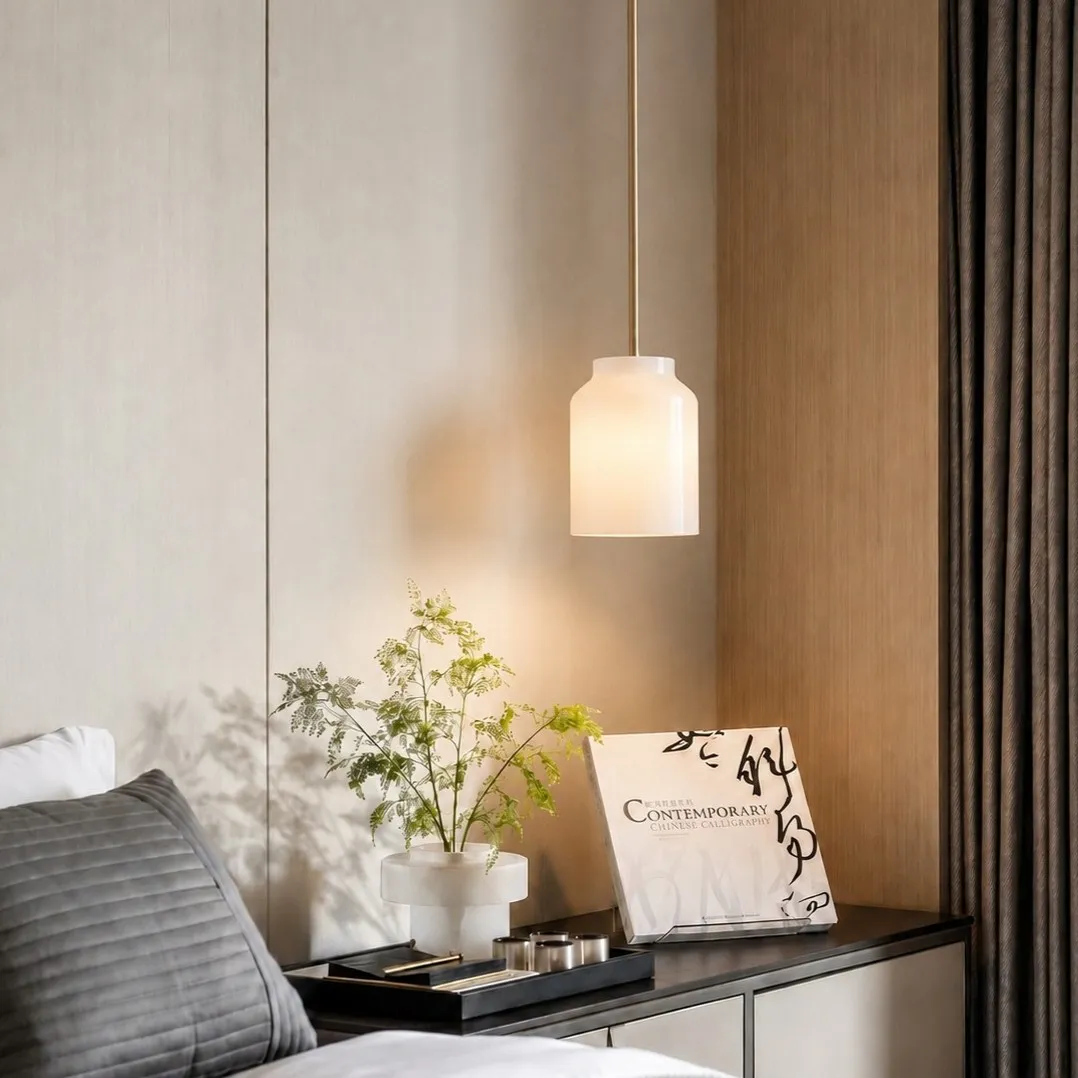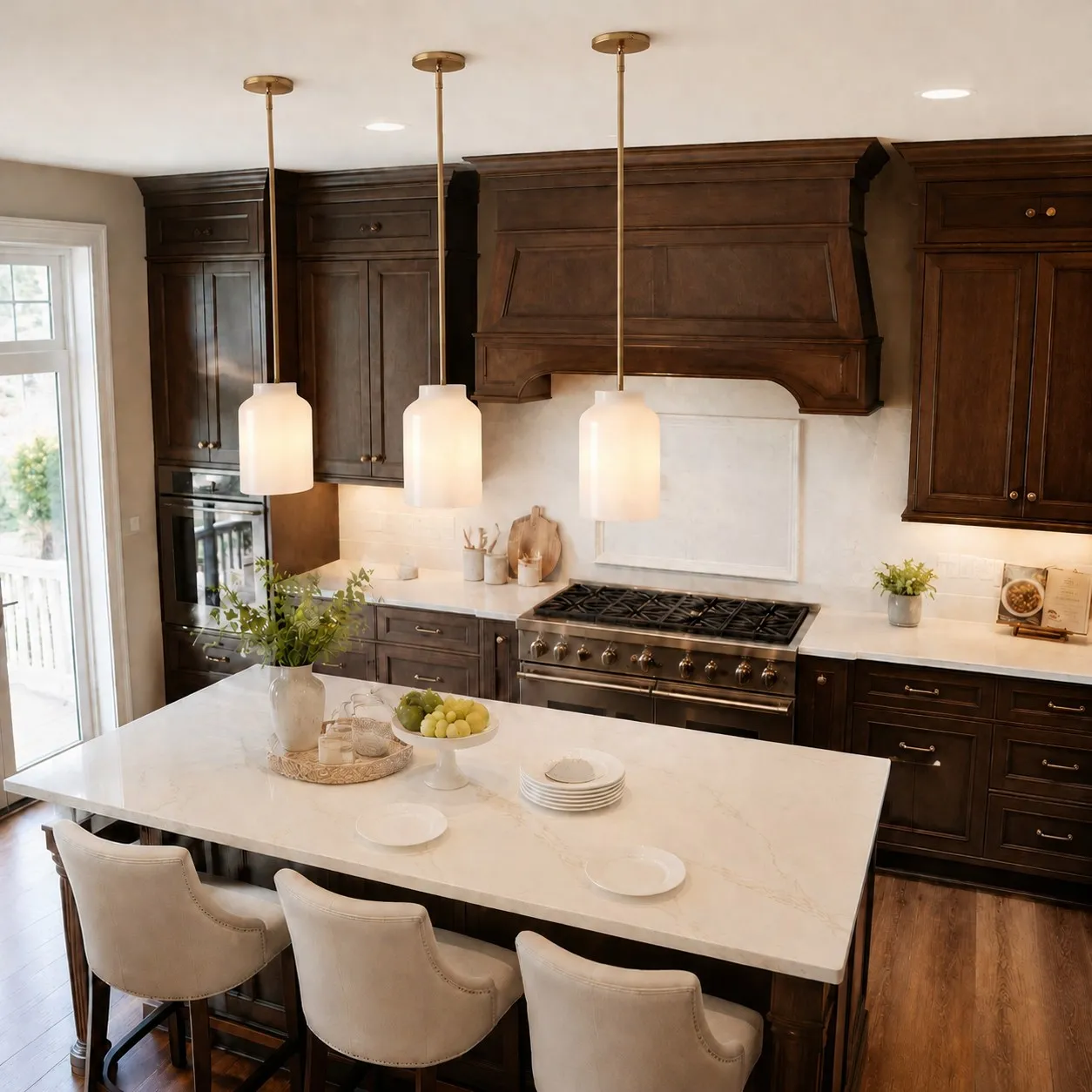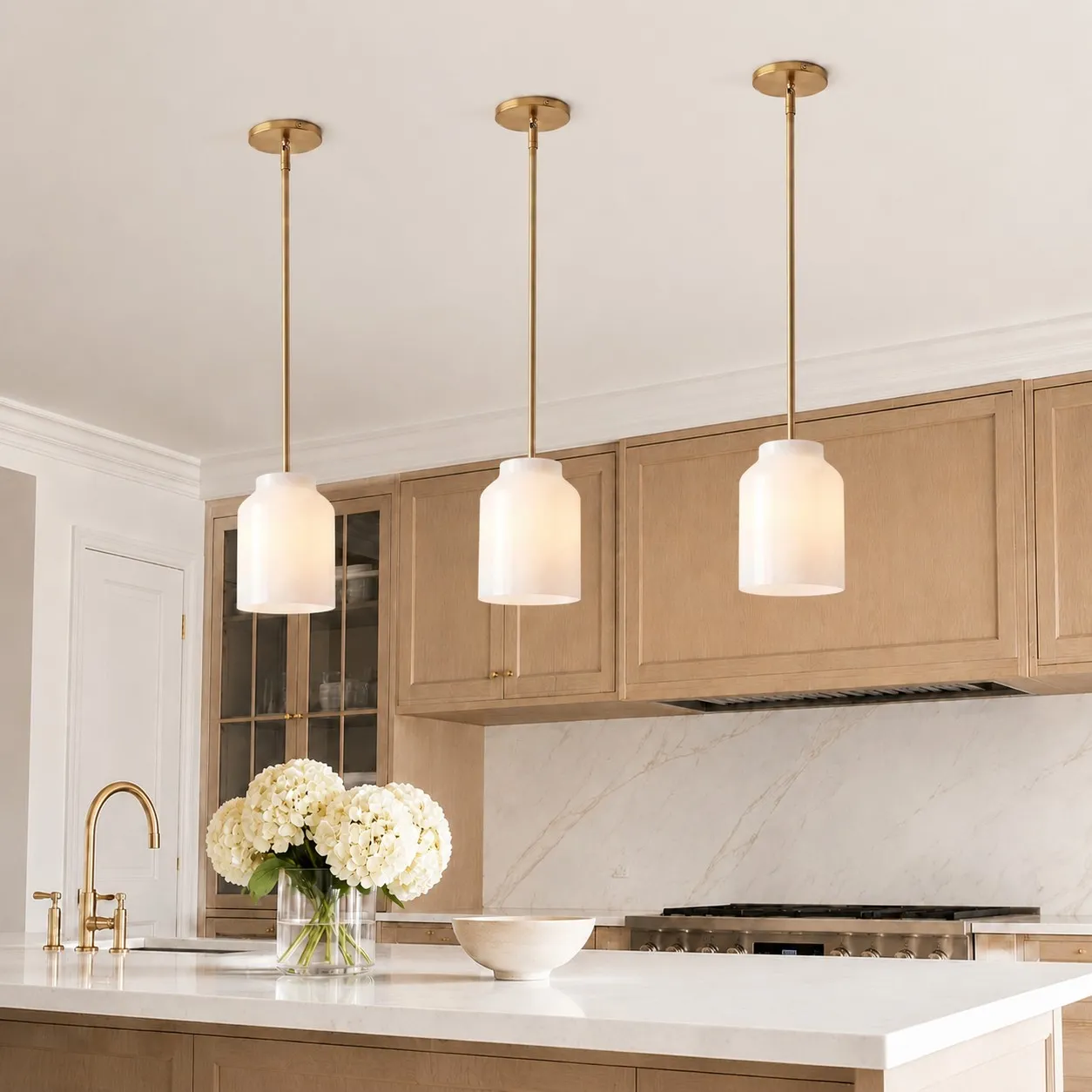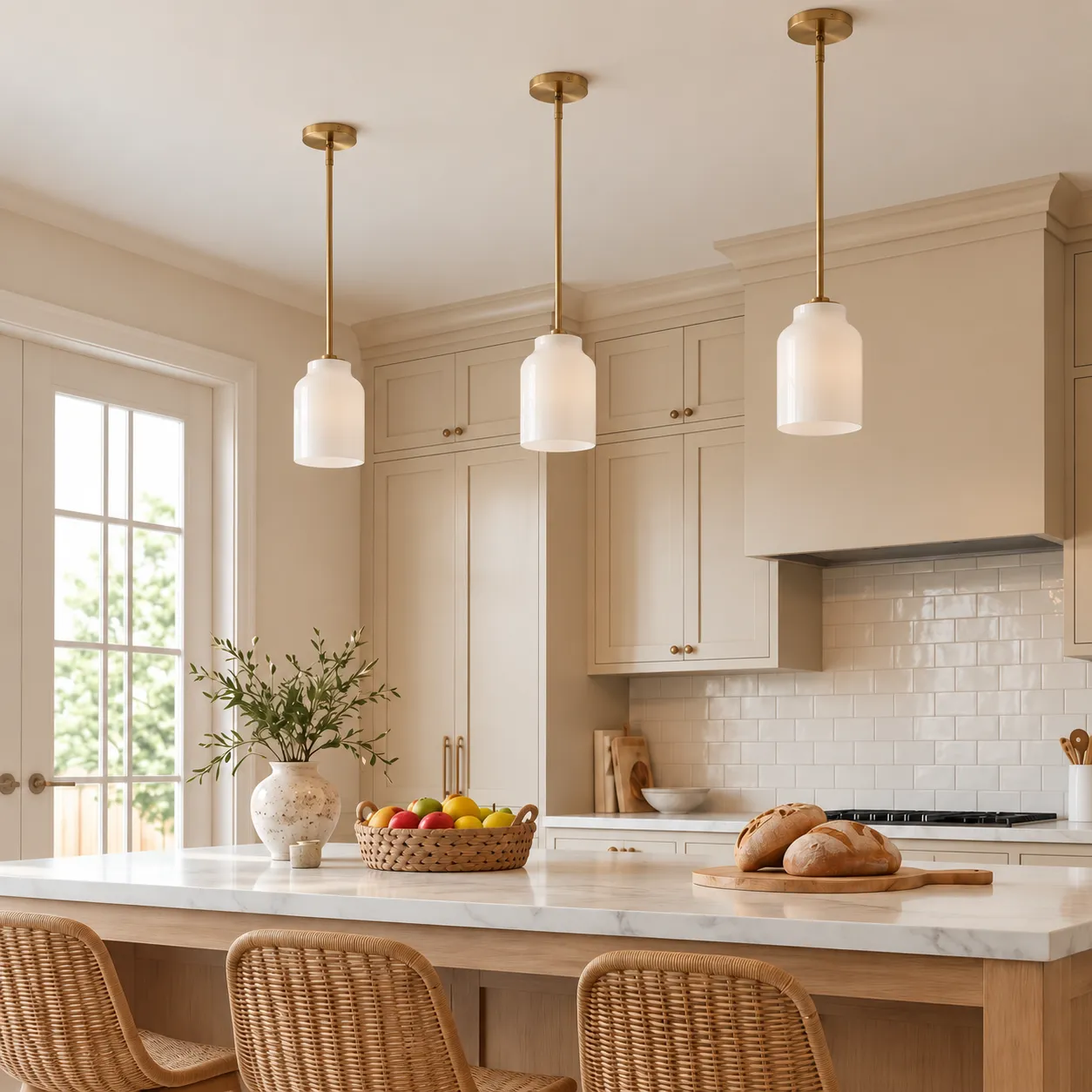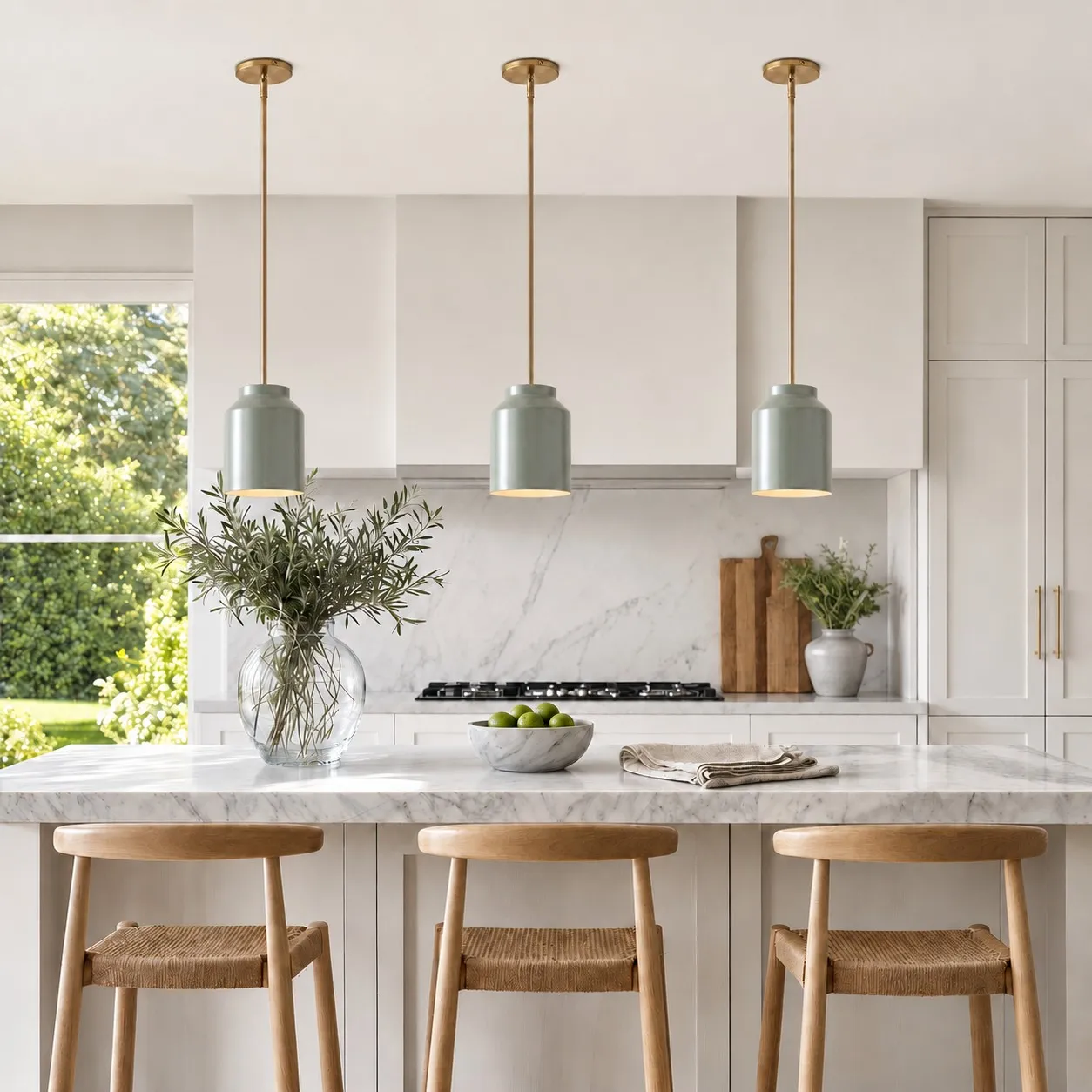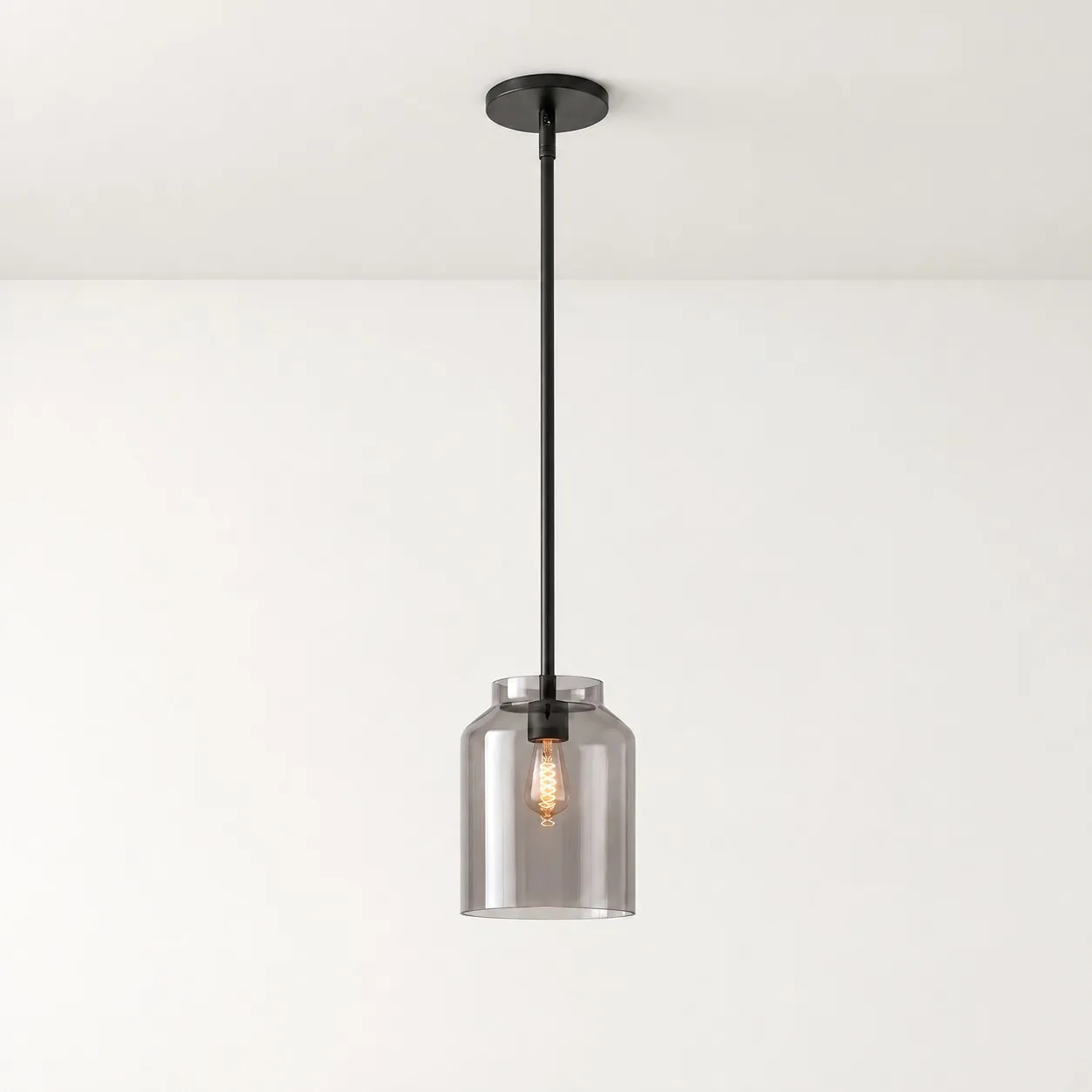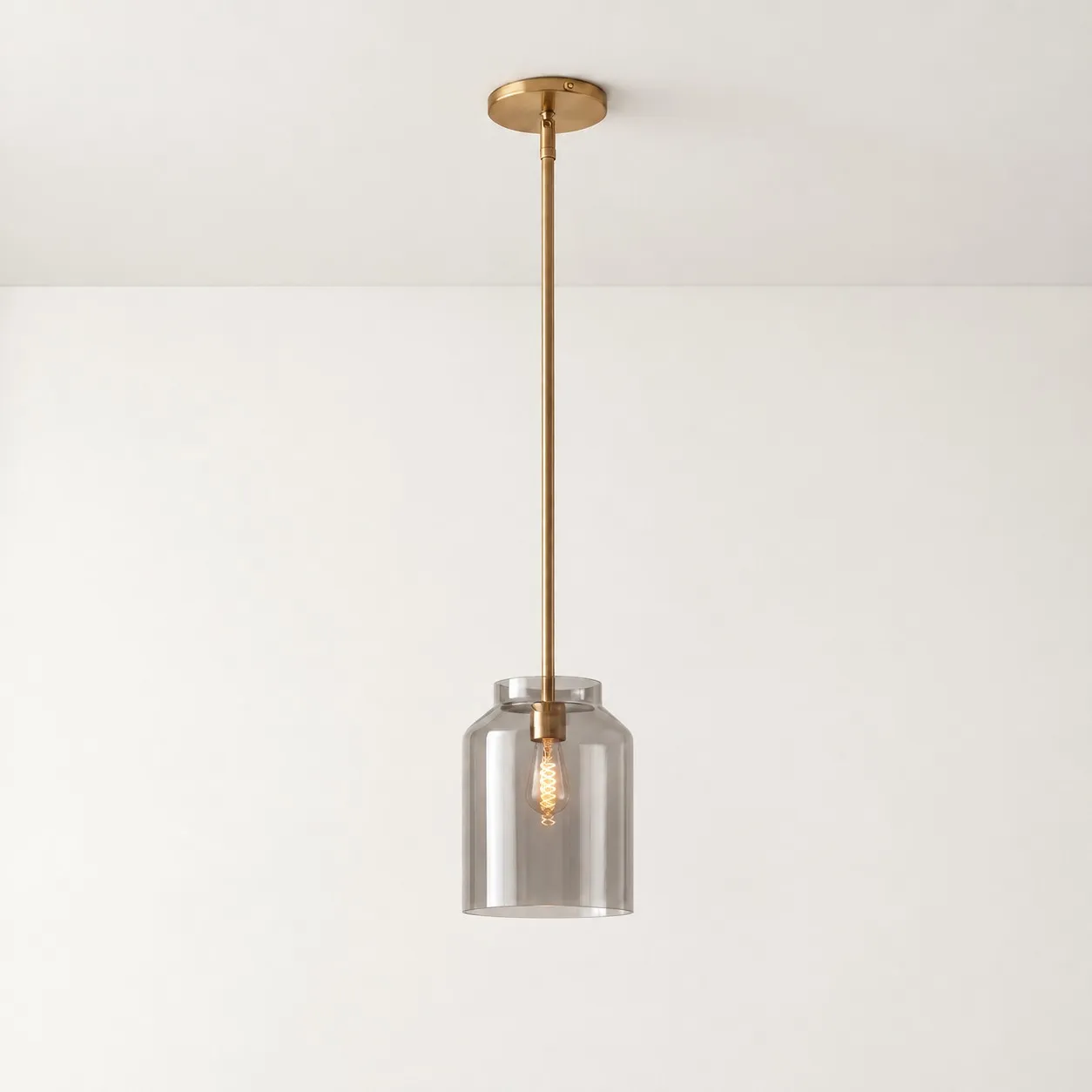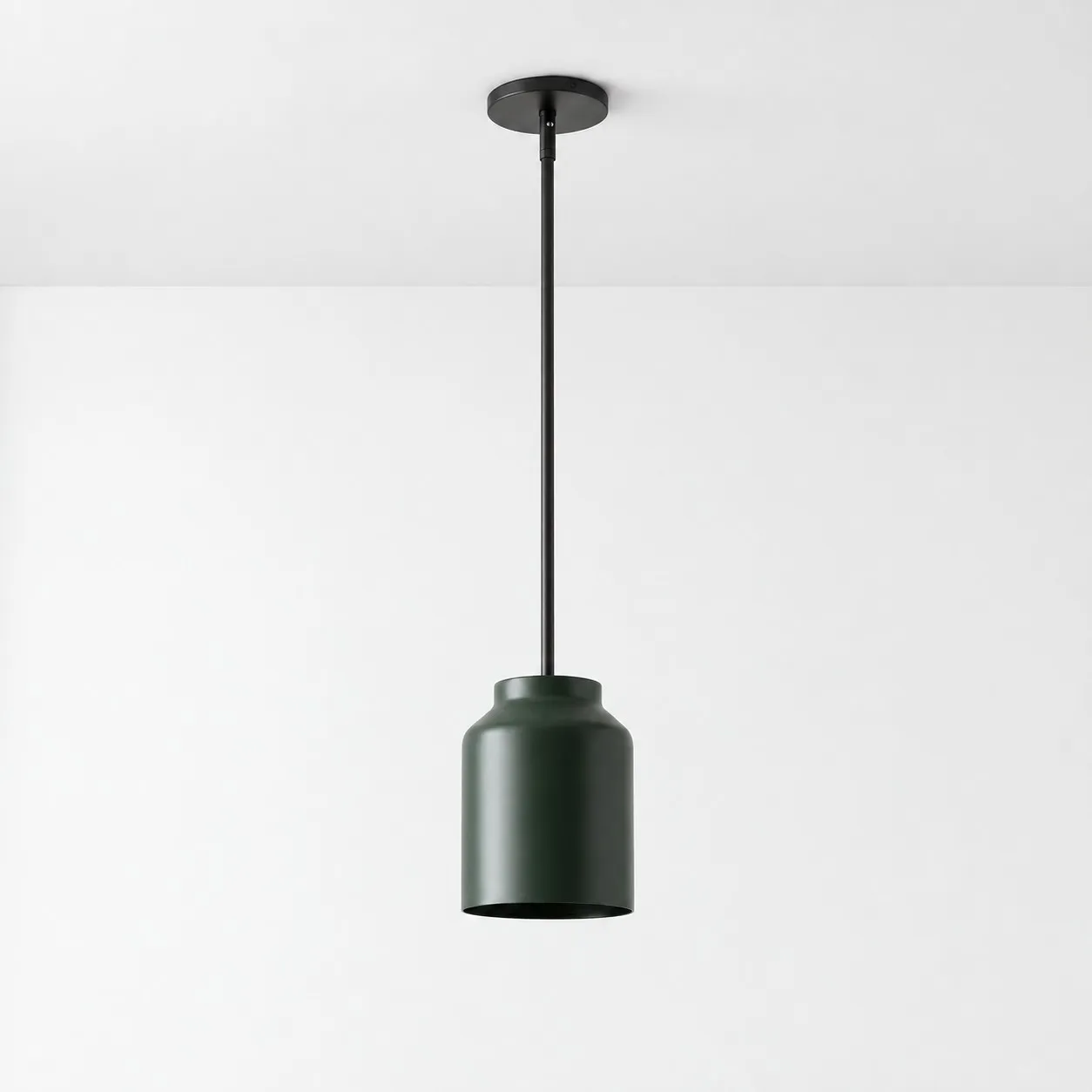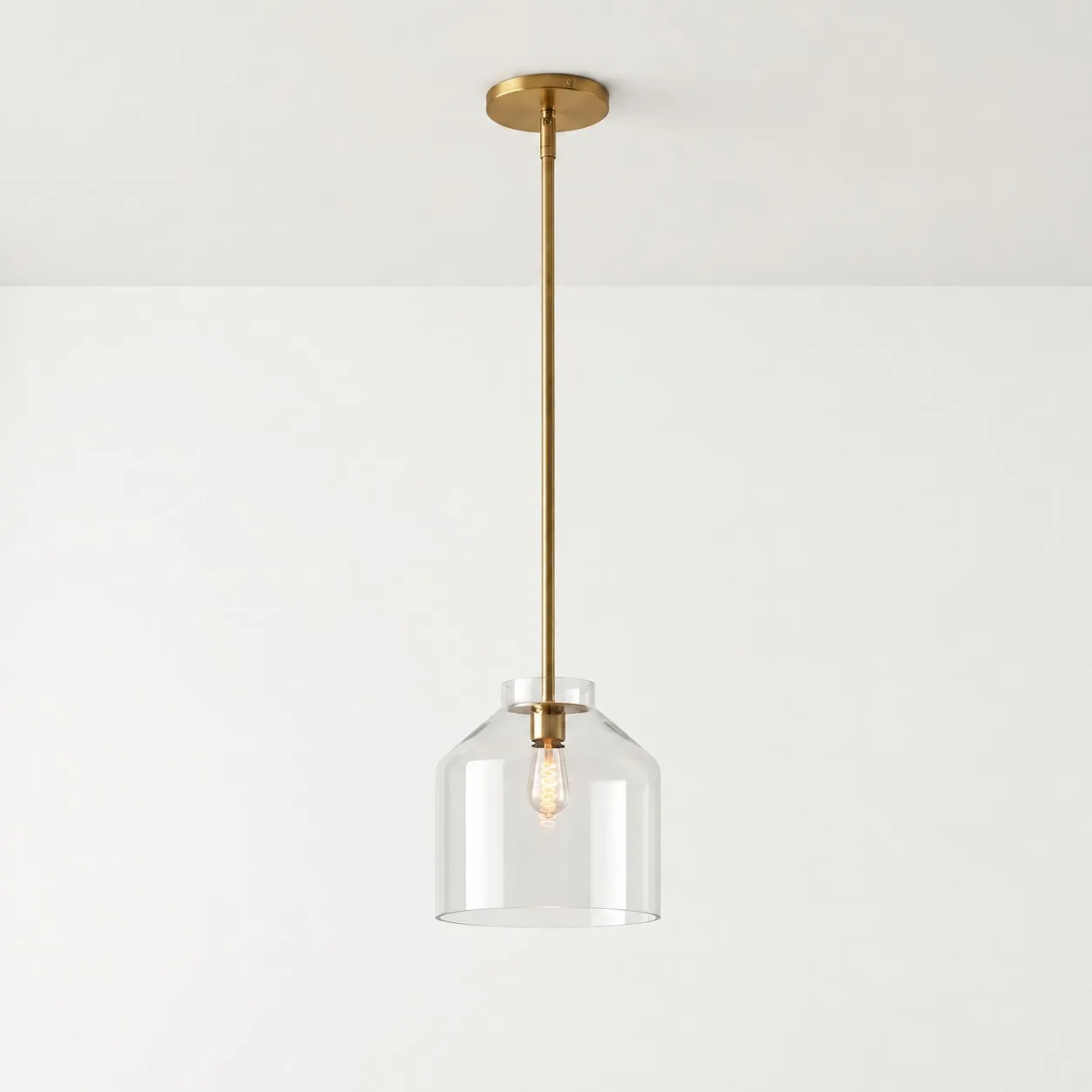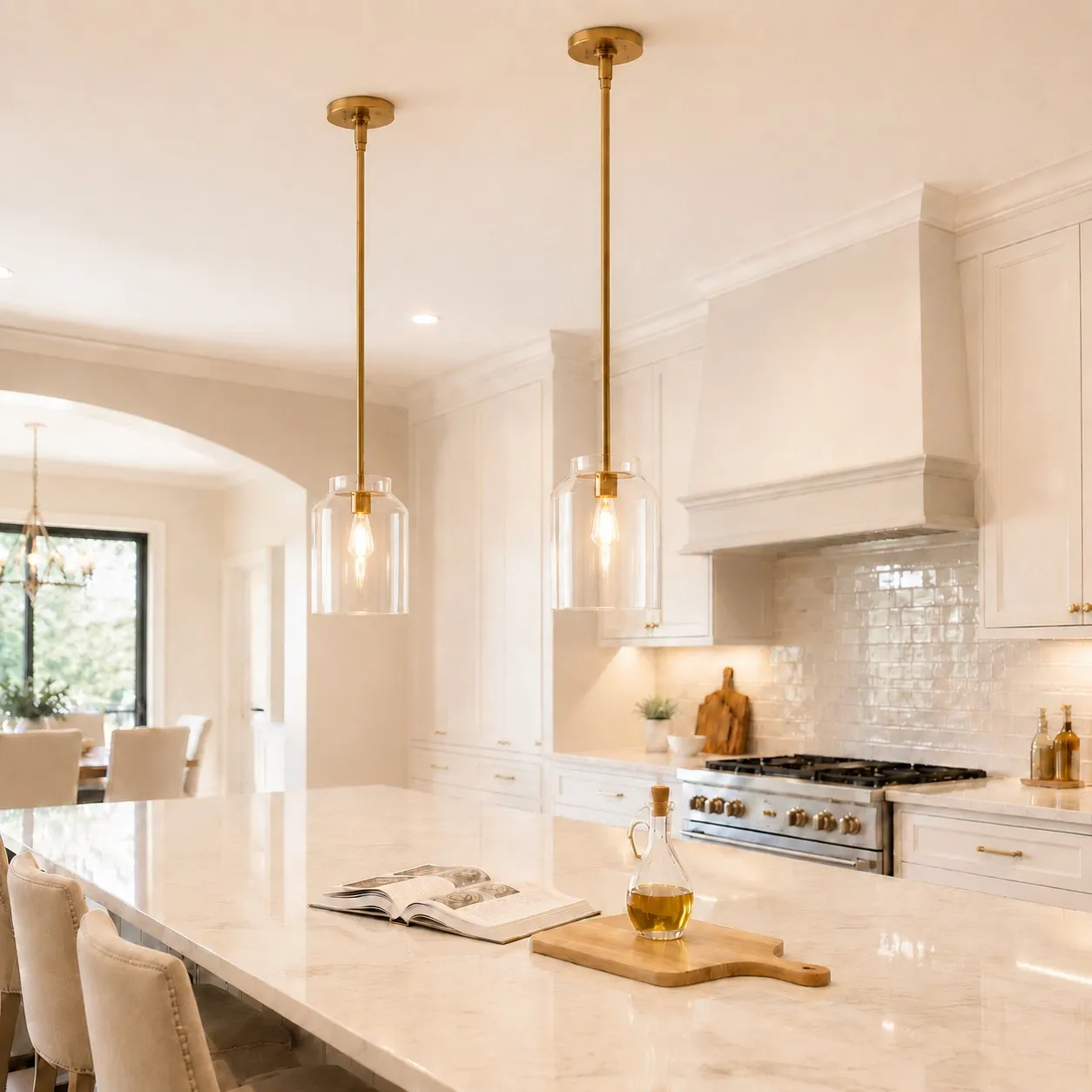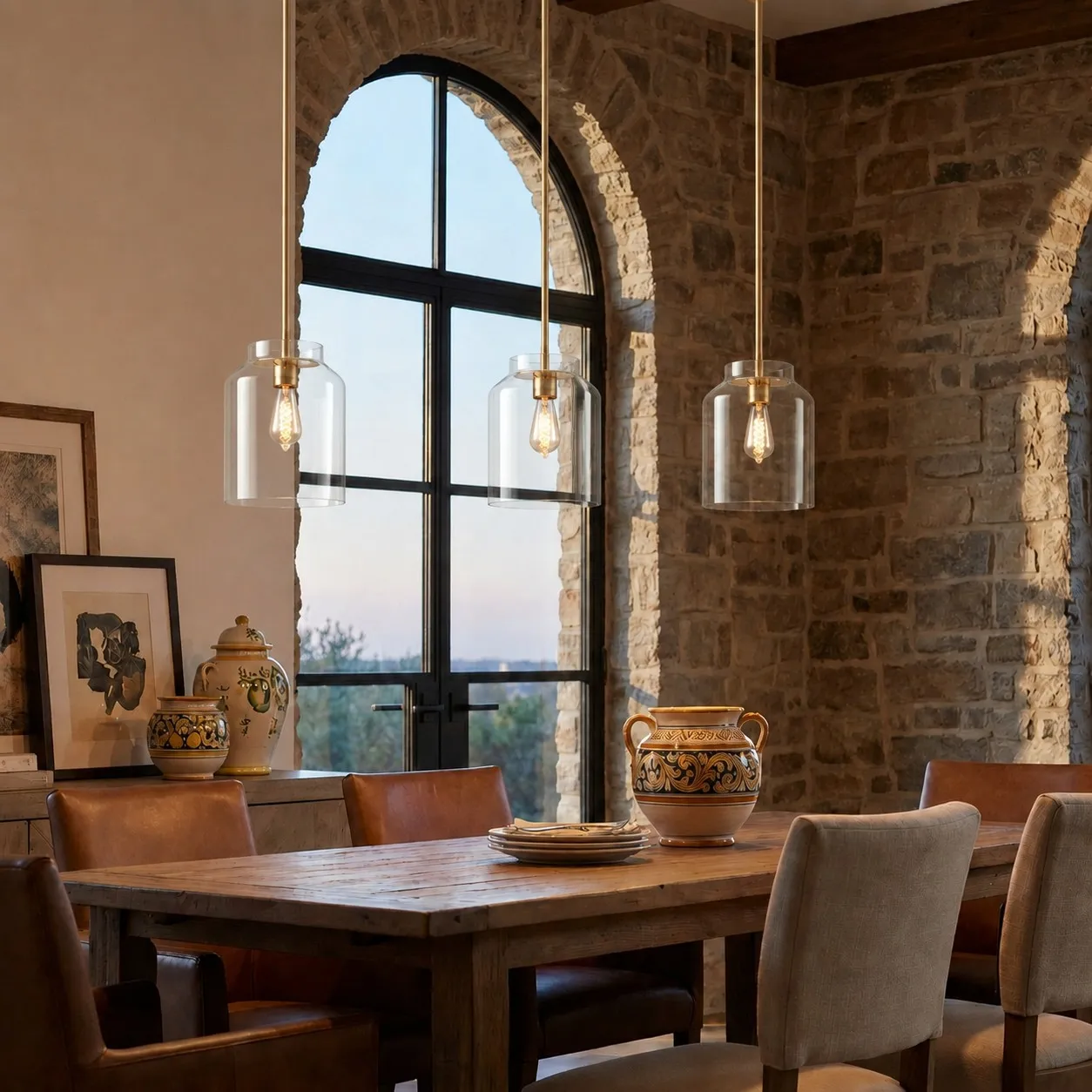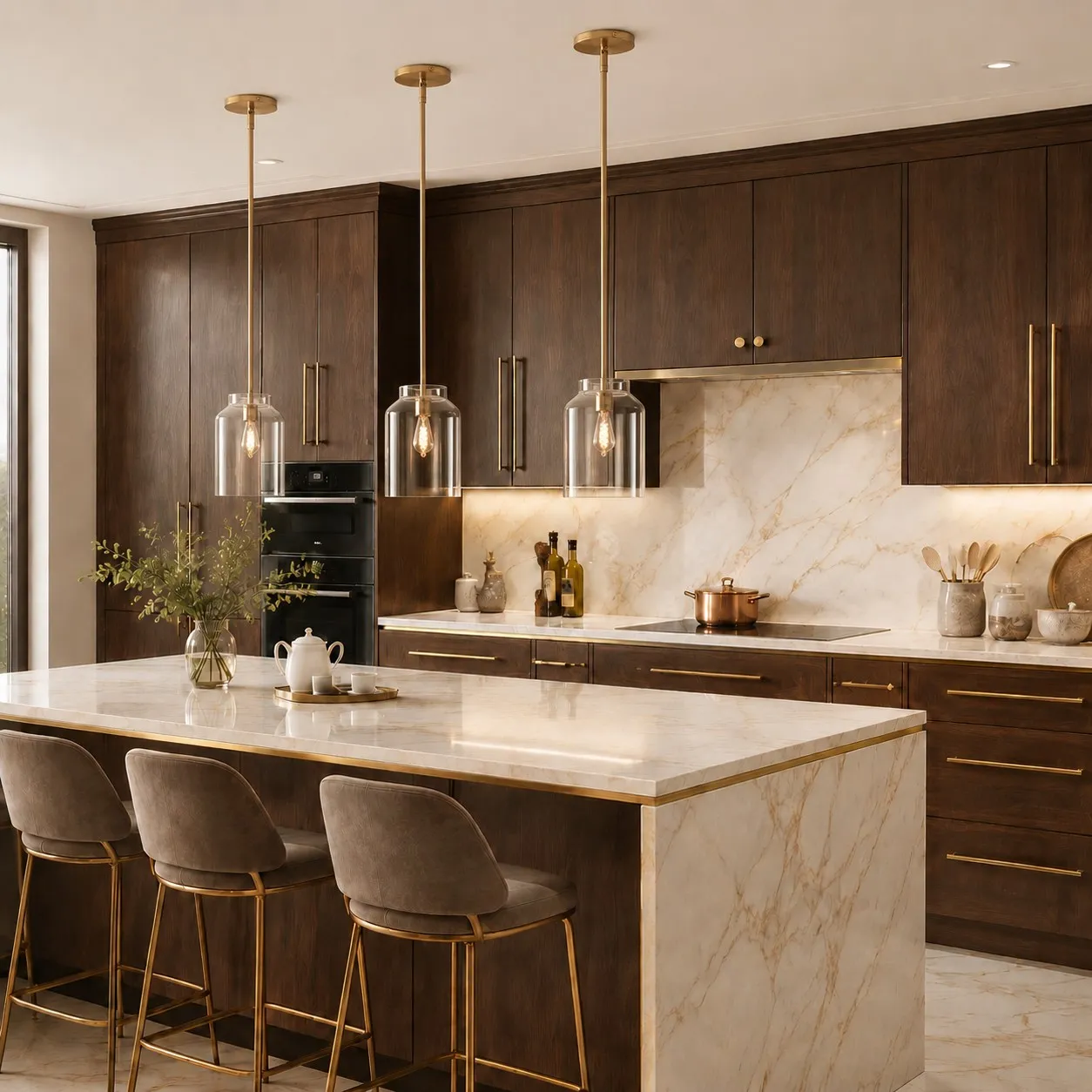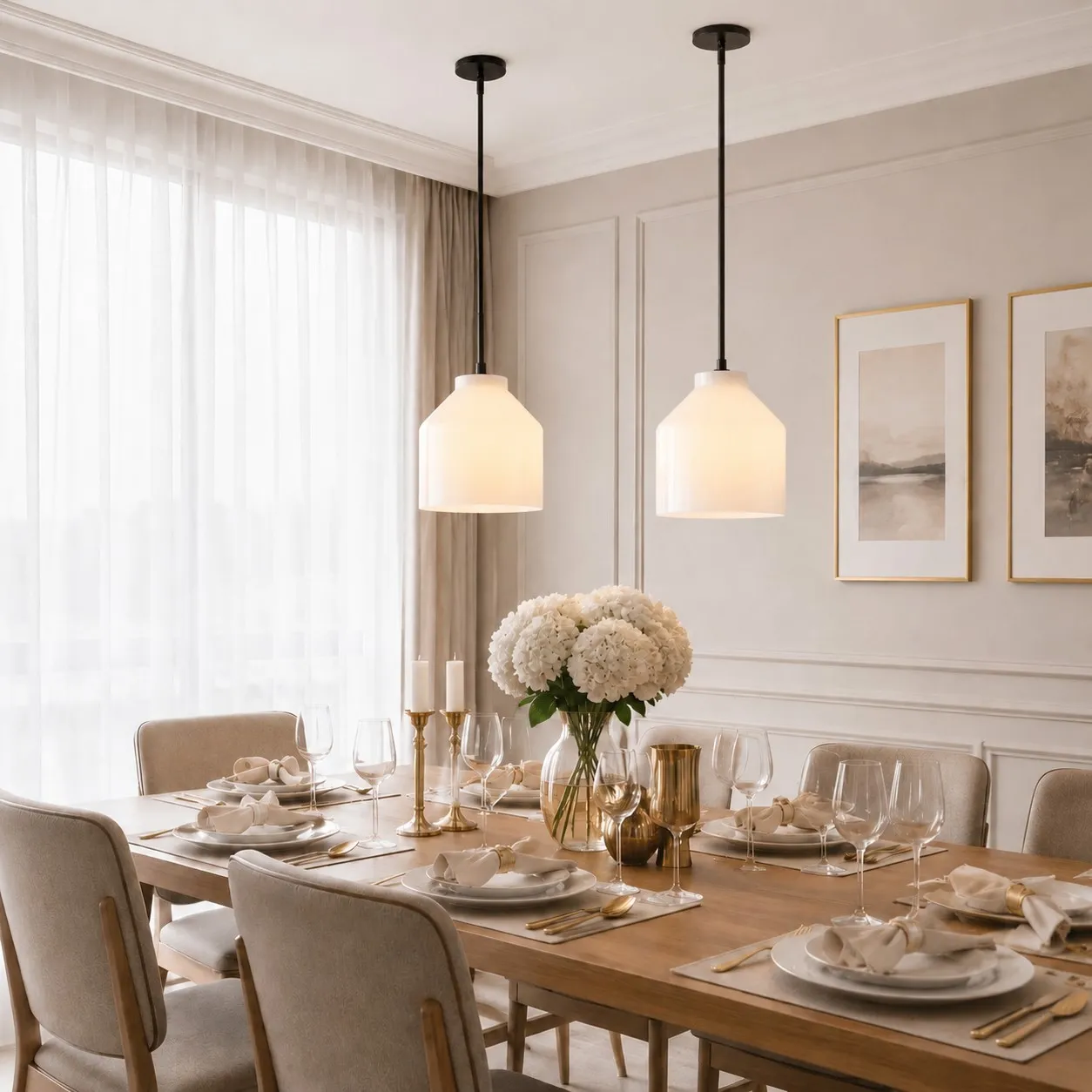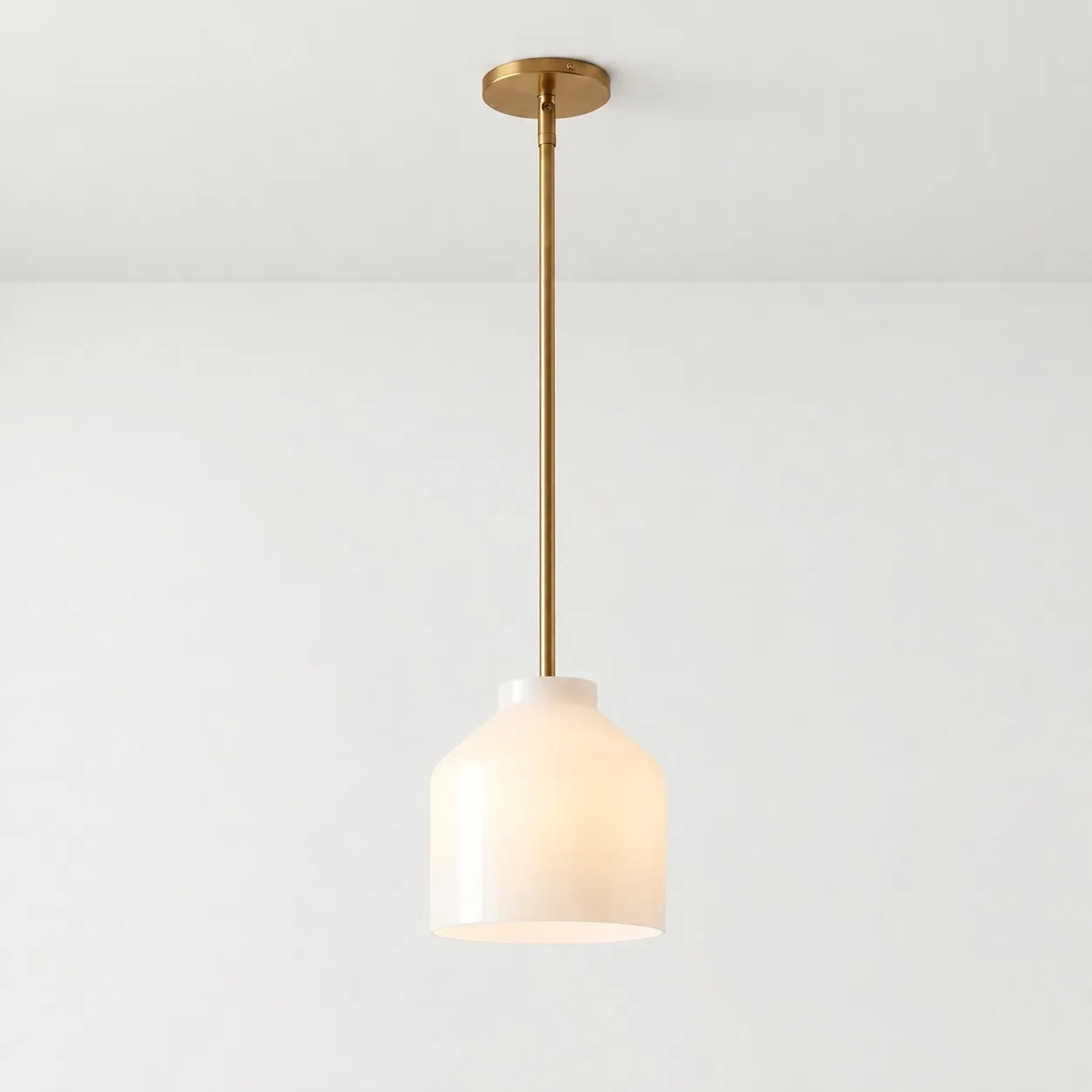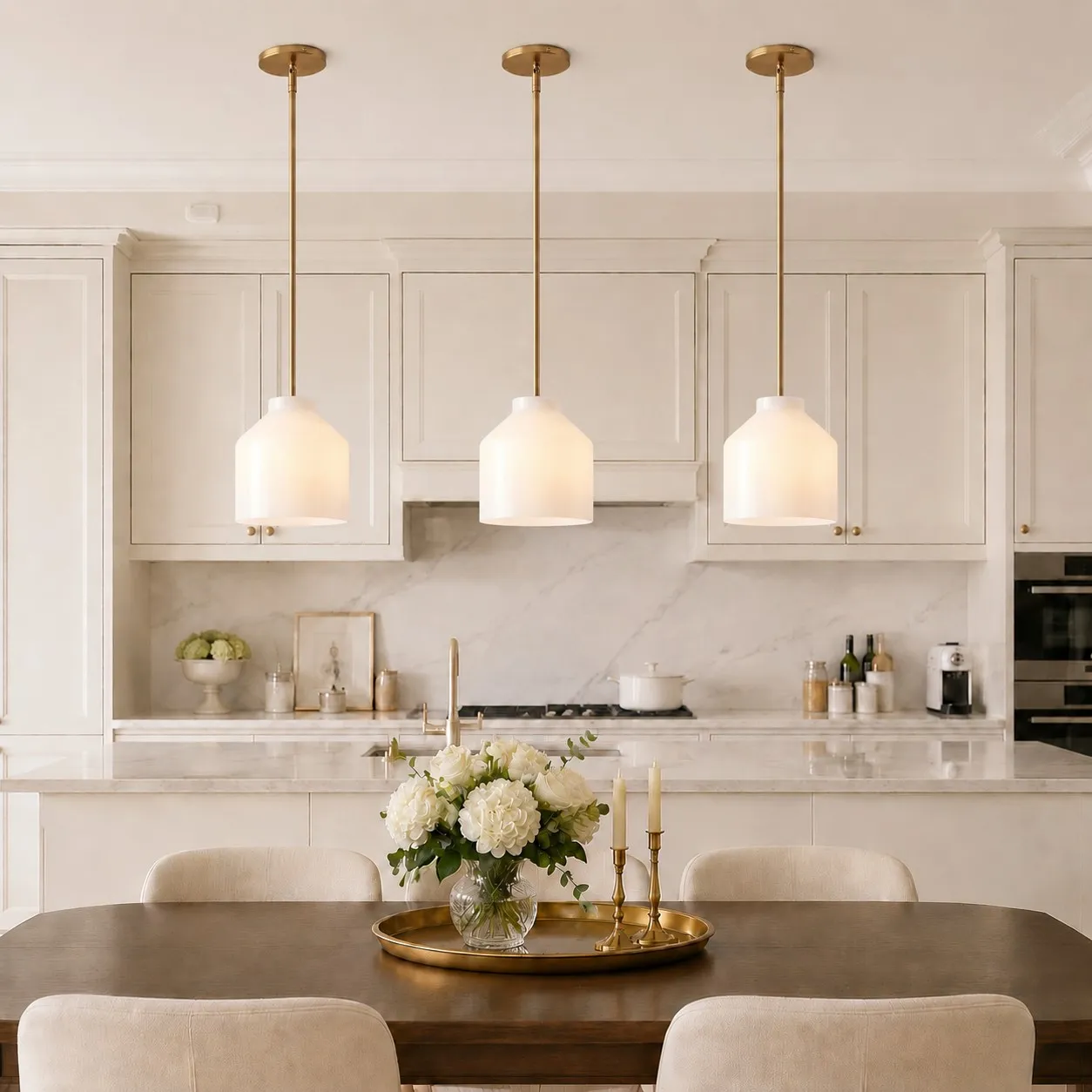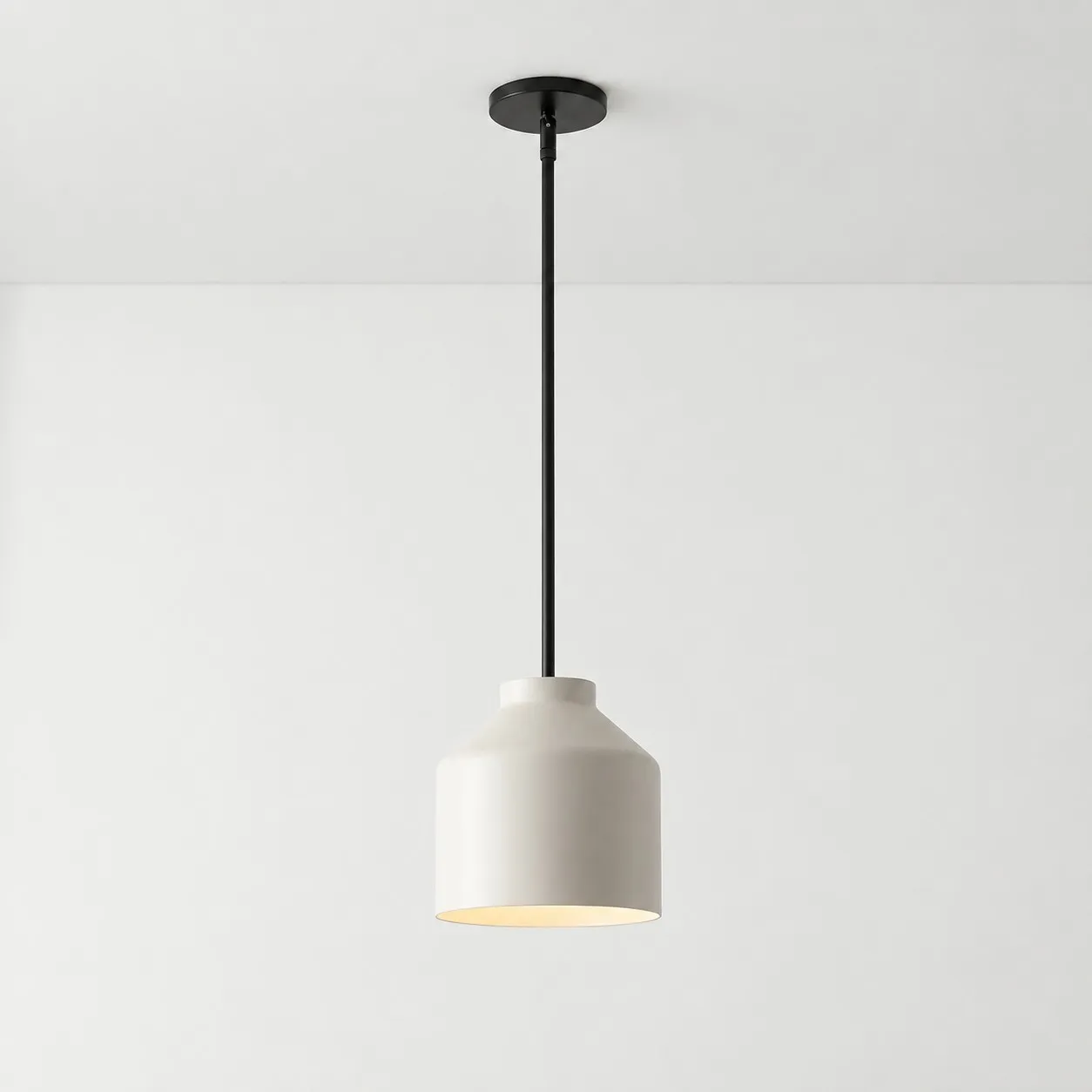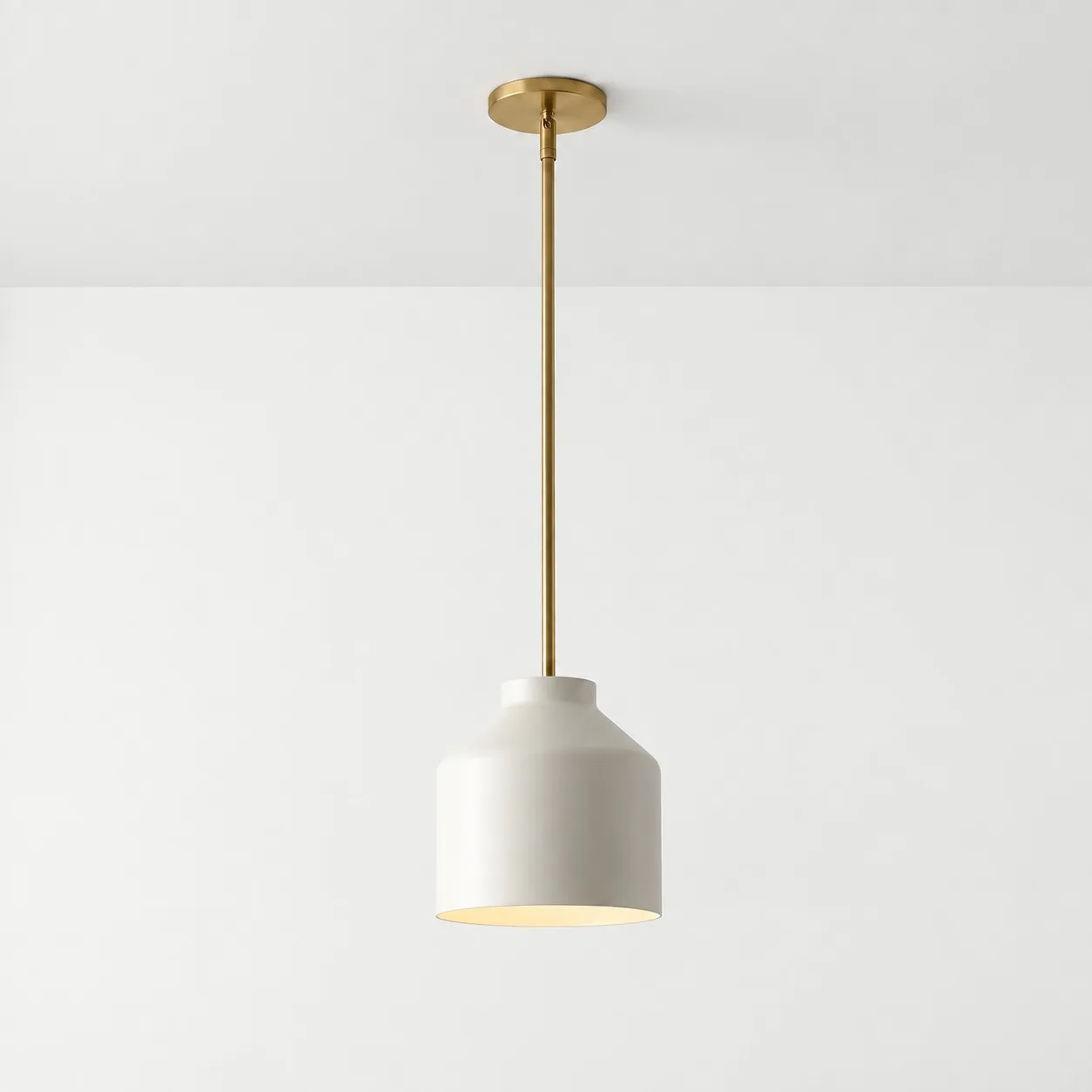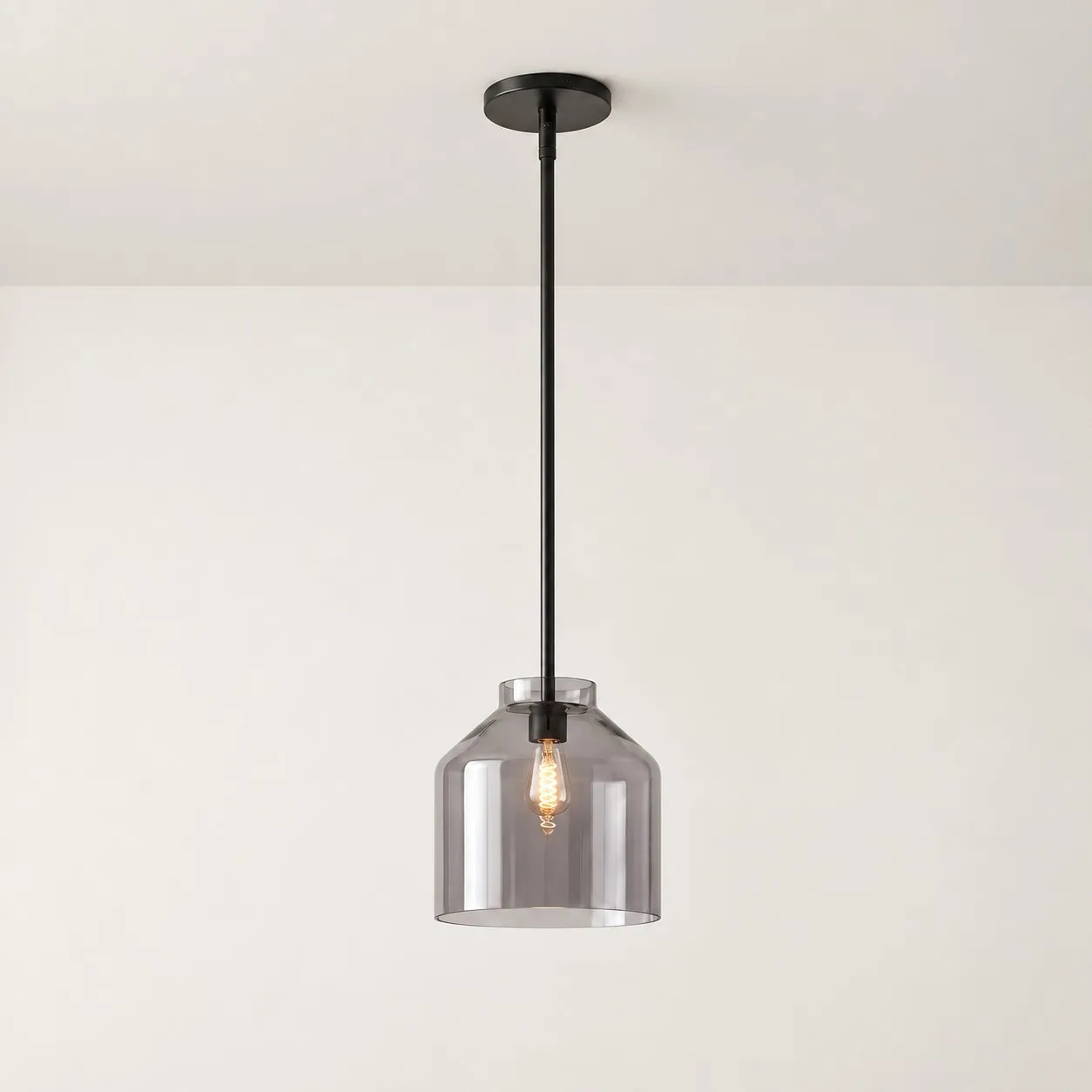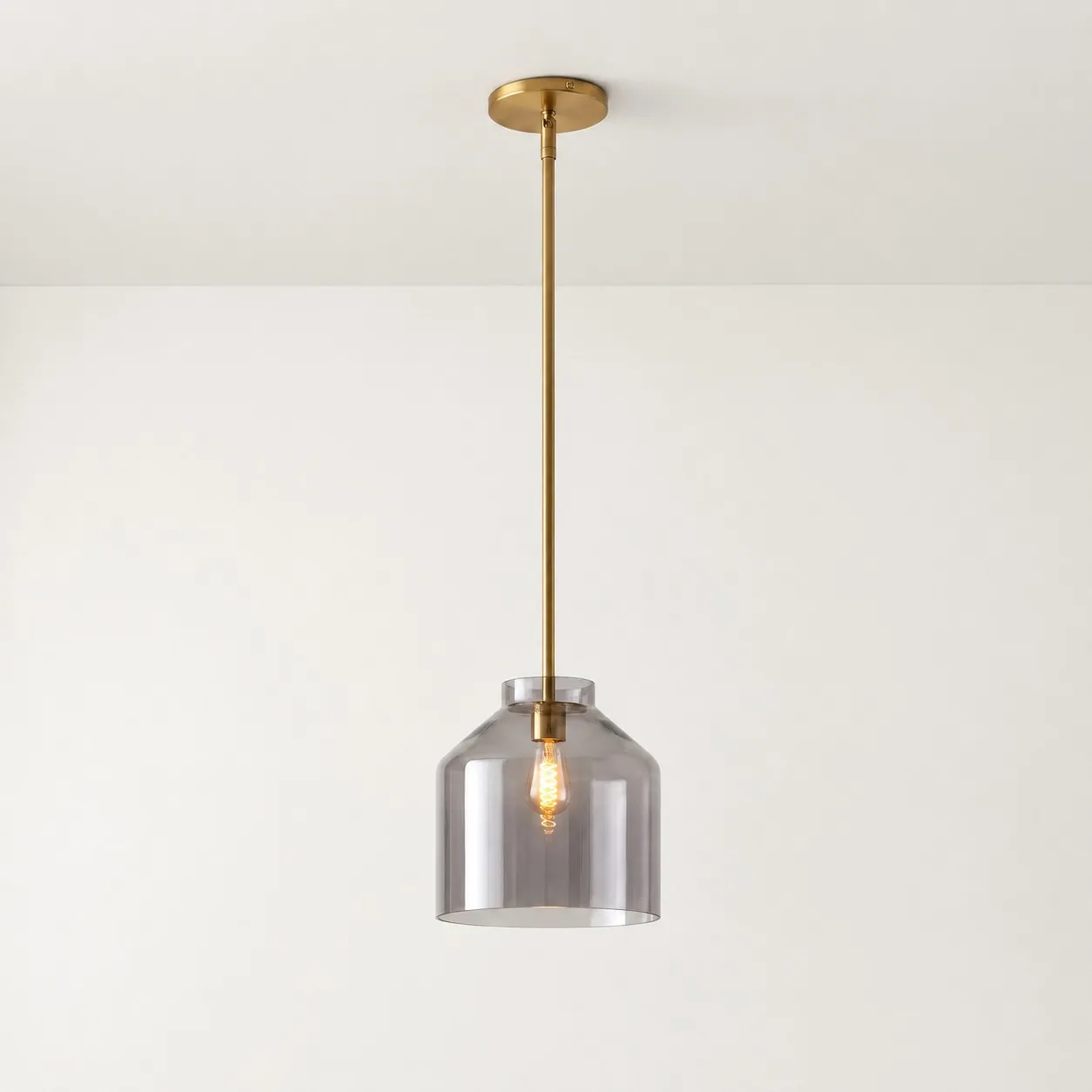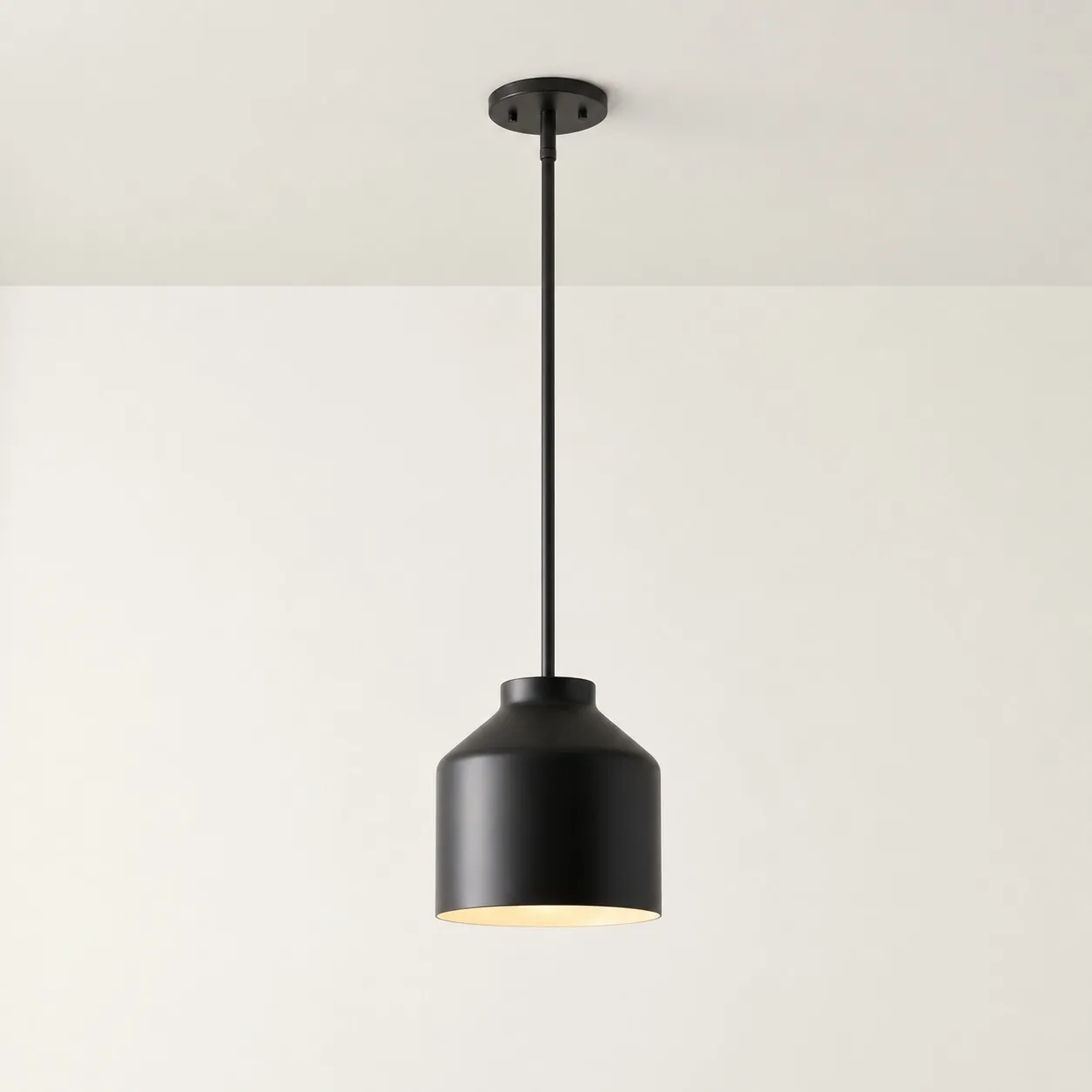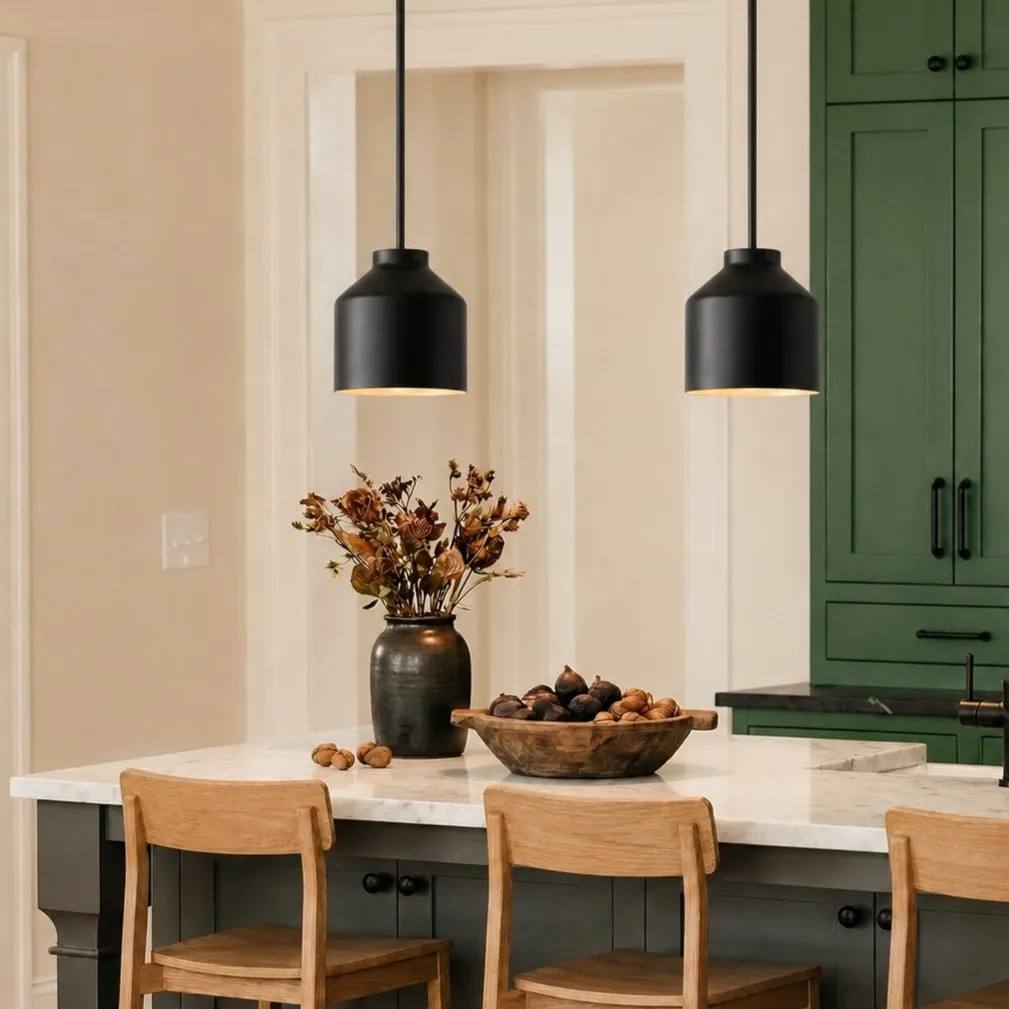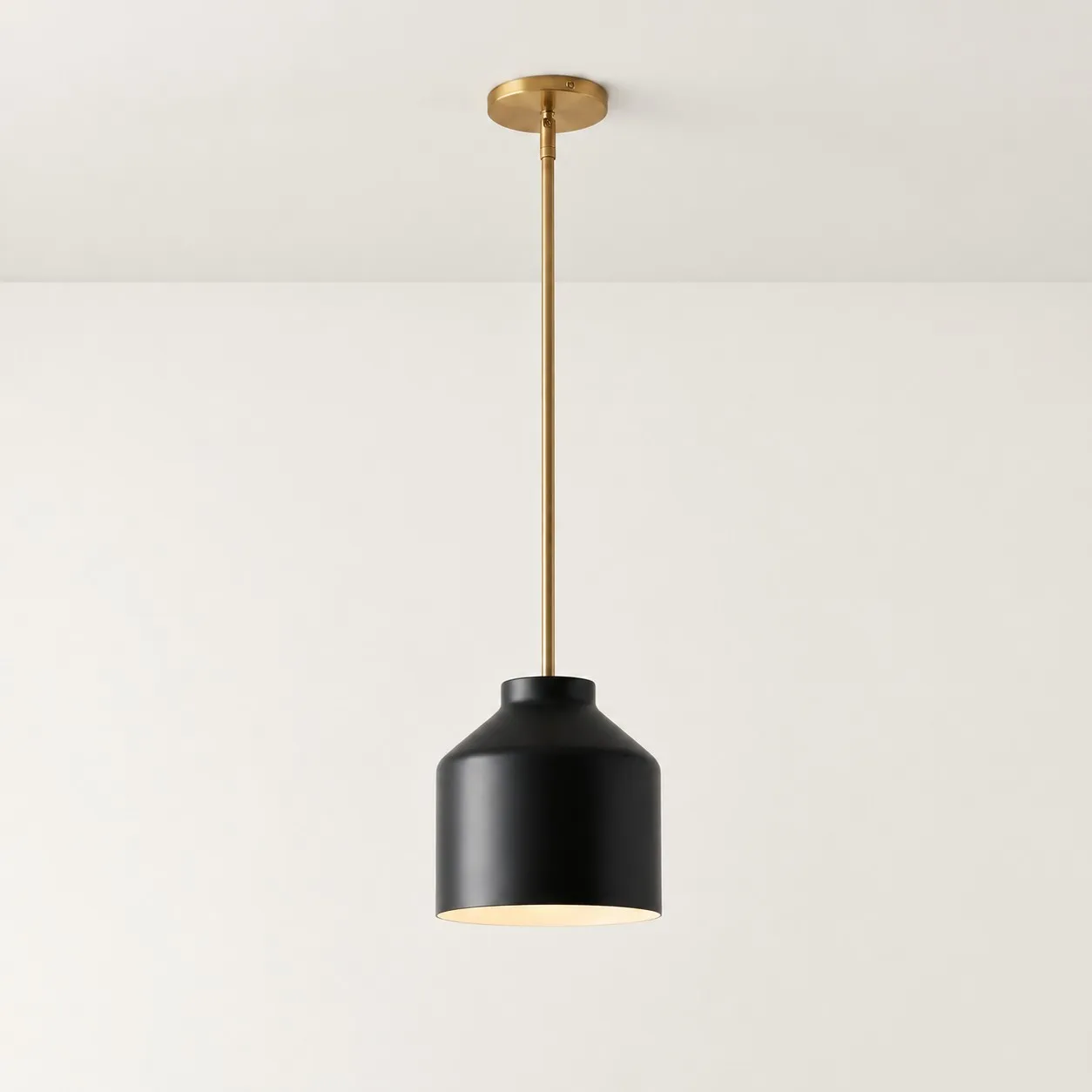
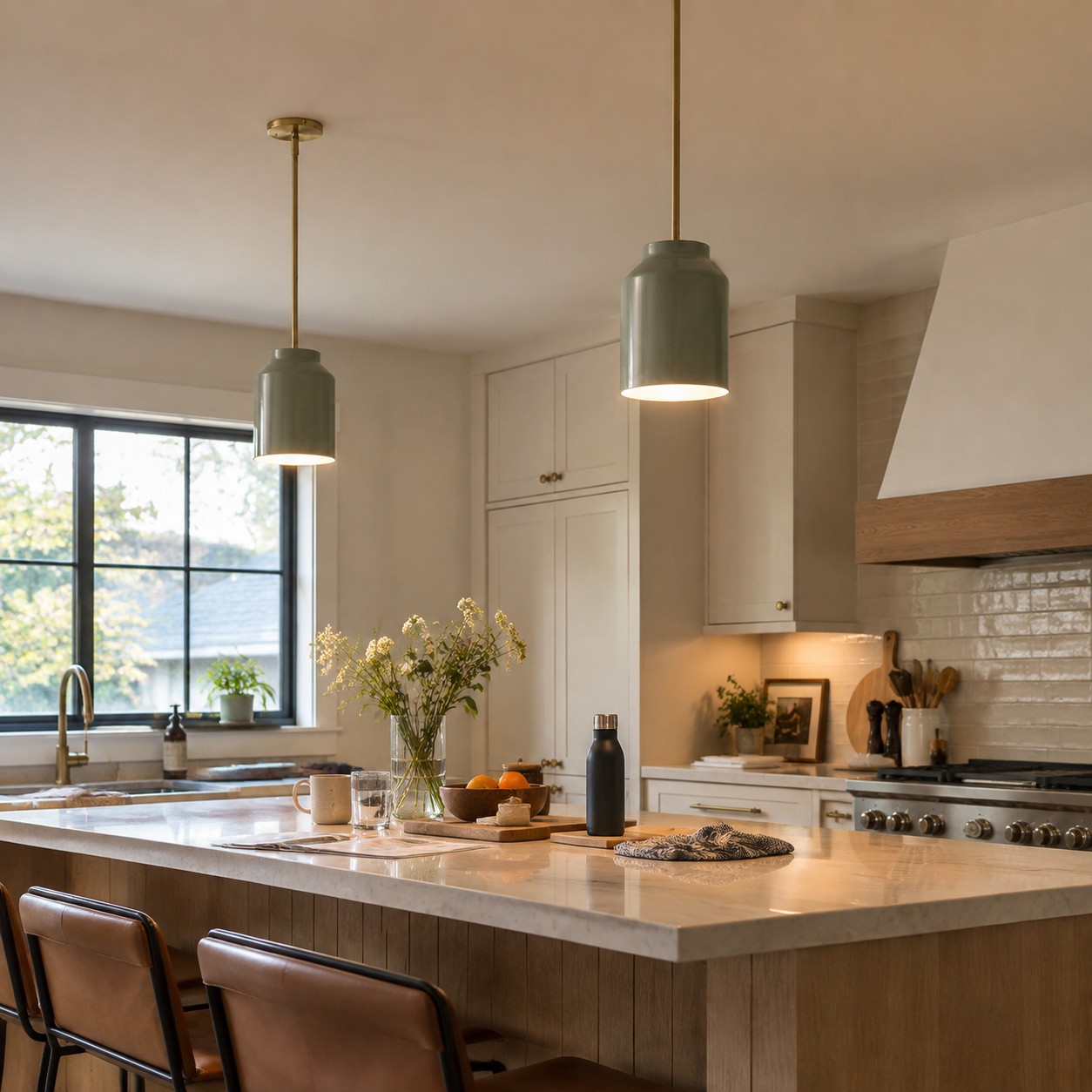
You installed a colored metal pendant, put in a bulb, and something still looks wrong. Perhaps the island looks yellow, the bulb is visible from your seat, or the shade does not have the color it showed online. Buying a “warmer” bulb without identifying which problem you have may solve none of them.
For an opaque metal shade, much of the bulb’s light exits through the opening. The outside of the shade is also affected by windows, nearby lights, and surrounding colors. Choose the bulb for what it can change: the light on your island, the view into the shade, and the atmosphere around it.
1. Verify the Bulb Before Judging Its Appearance
Check the socket marking and the fixture’s instructions for the required base, maximum permitted actual wattage, and any limits on bulb size or use in an enclosed space. Do this for the version installed in your home. A familiar product name does not prove that every market or production version uses the same specification.
On an LED bulb package, “60W equivalent” describes a comparison with an older bulb’s light output; it is not the LED’s actual power draw. Compare the bulb’s stated input wattage with the fixture’s limit. If a marking is missing or unclear, ask the seller or a qualified electrician before fitting the bulb.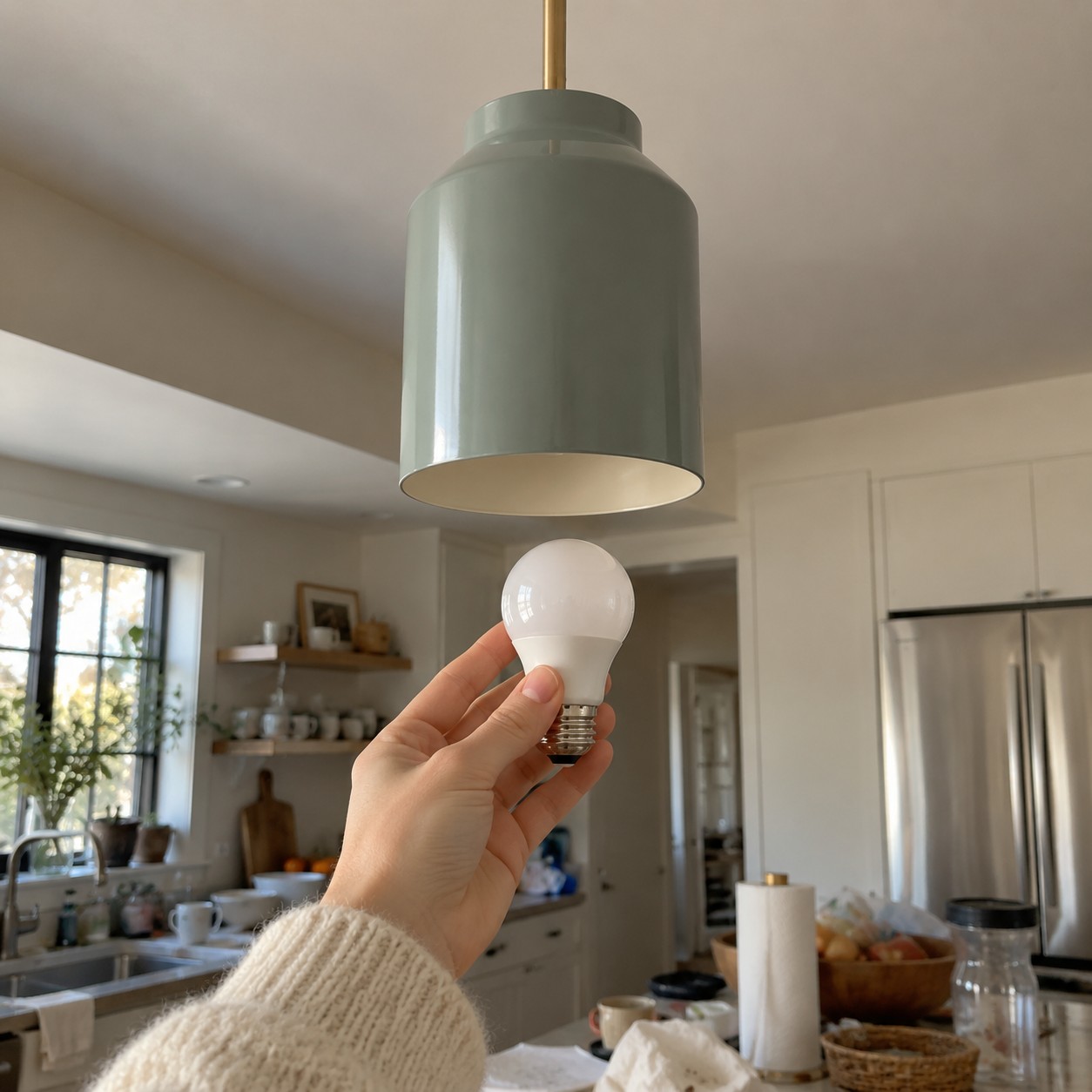
2. Sit Down and Look at the Shade Opening
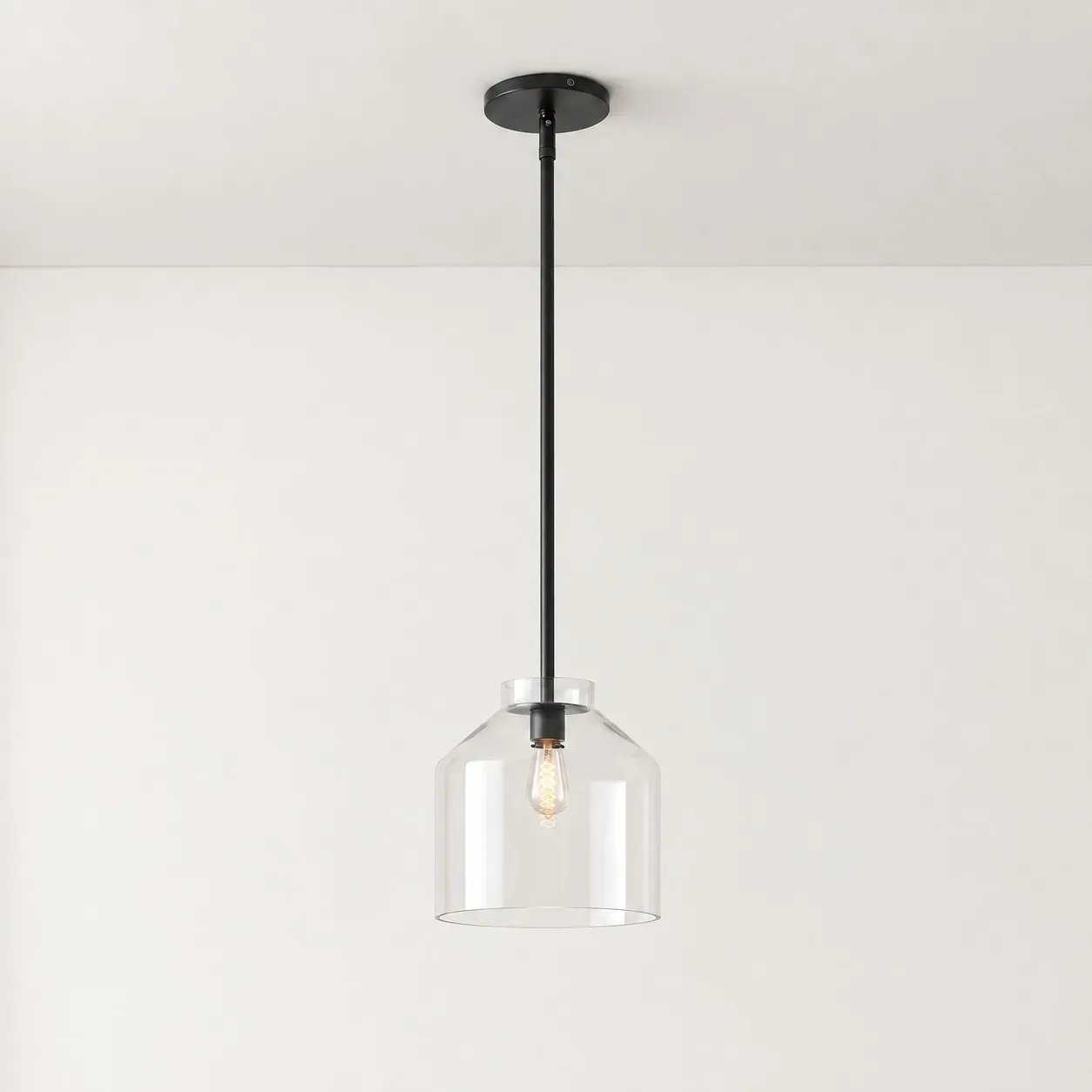
Bulb shape can matter more than a small change in color temperature. If the lamp extends below the shade, it can interrupt the pendant’s silhouette and shine into the eyes of someone seated at the island. A bulb that looks hidden while you stand may be plainly visible when you sit.
Look up from every seat used regularly. If you see an uncomfortable bright point, check whether a compatible, suitably sized frosted bulb sits more discreetly within the shade. Do not force a larger bulb into a tight fitting or assume a brighter bulb will make the arrangement better.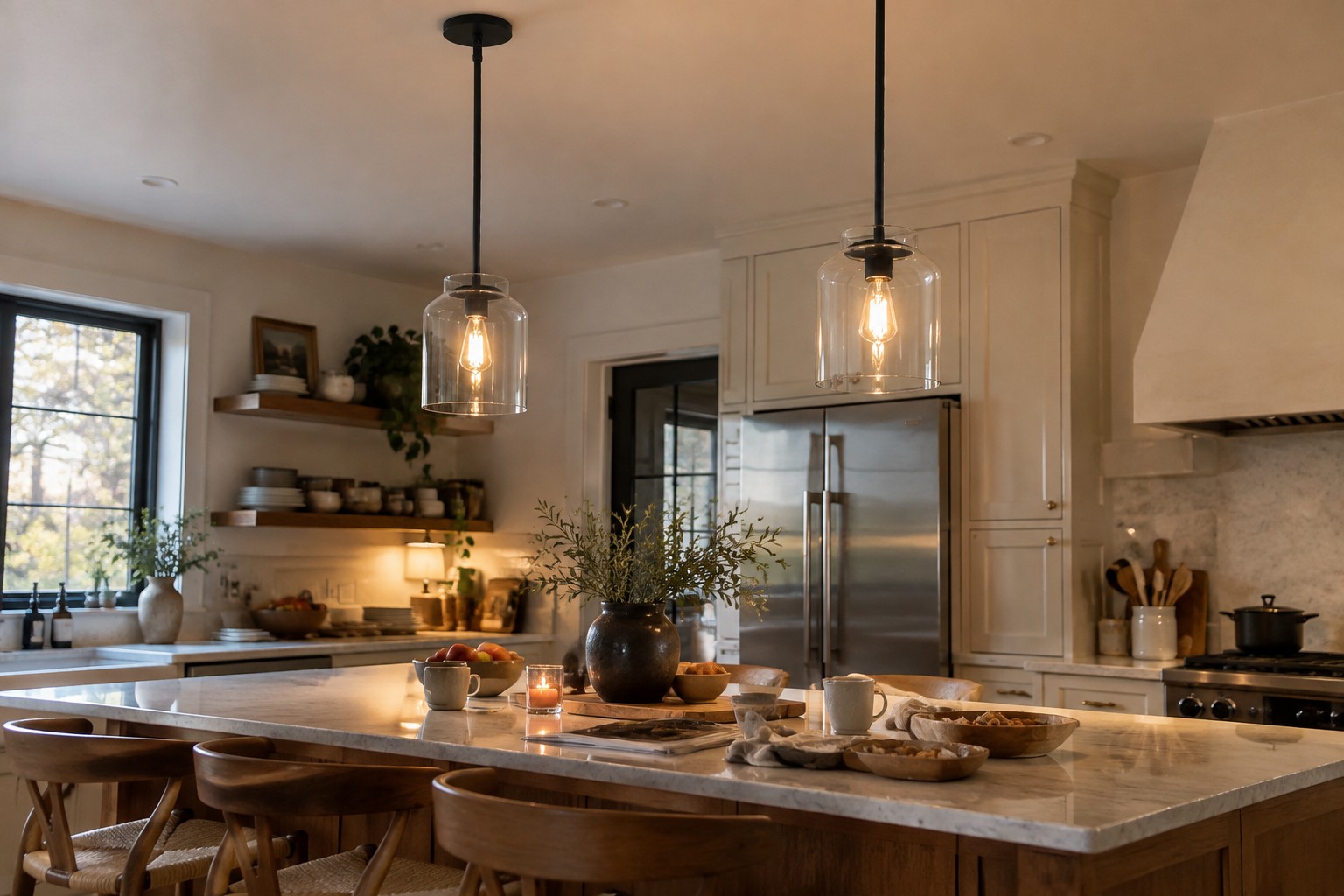
3. Choose Color Temperature for the Activity Below
Warm white light can make an island used mainly for conversation and casual meals feel inviting. A less warm white may help when the same surface is used to prepare food and inspect ingredients. Neither choice is automatically right for every colored shade or every kitchen.
Think of color temperature as the appearance of the light, not a filter that repaints the fixture. If a white countertop looks too yellow at night, try a different compatible white-light bulb. If the shade’s outside looks gray in daytime, changing the bulb inside may have little effect; the window light and room background deserve a closer look.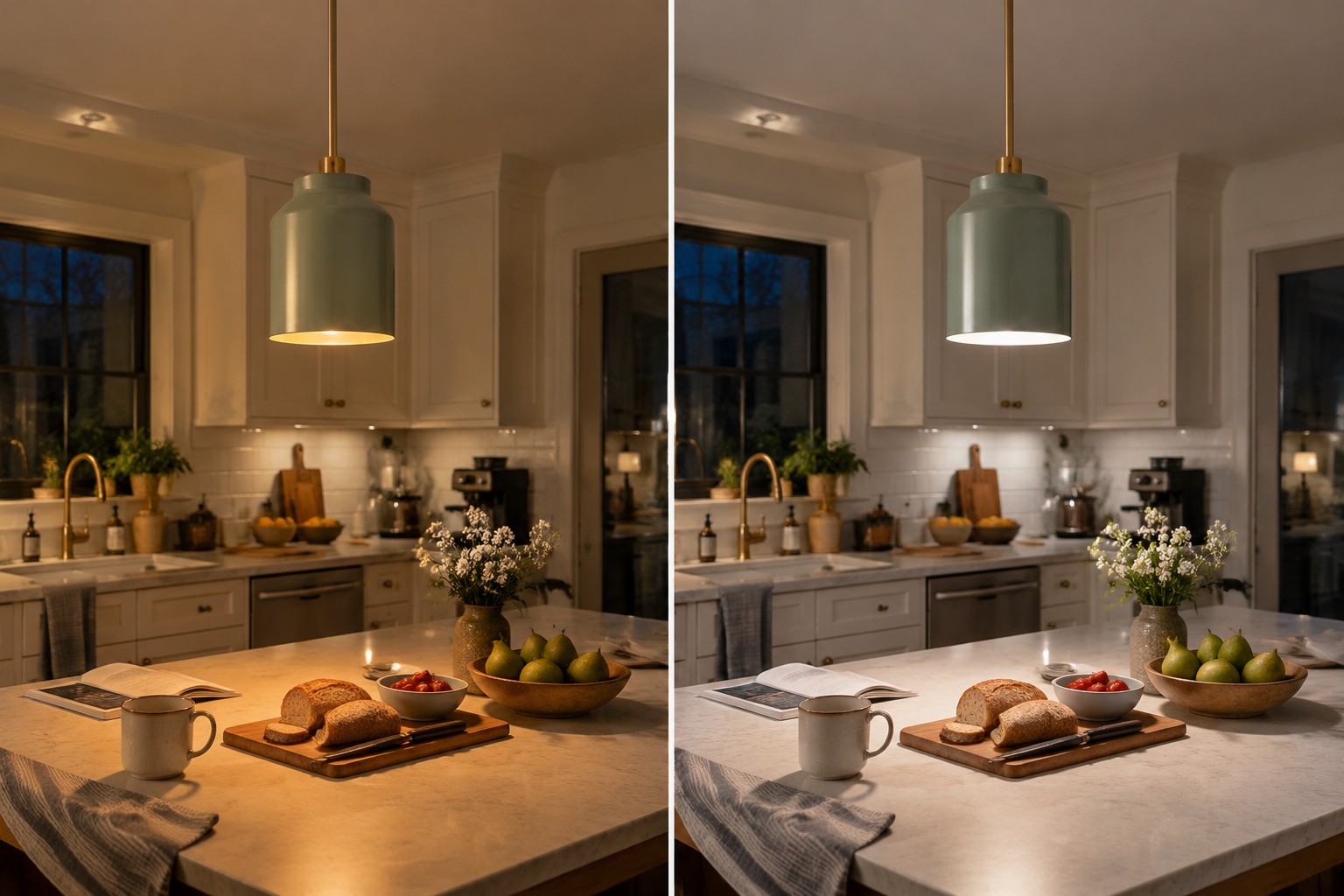
4. Compare Color Rendering and Light Output Separately
Color rendering describes how naturally objects appear under a light source compared with a reference. It matters when you want food, timber, cabinet colors, and nearby finishes to look convincing. Lumens describe the bulb’s light output. A bulb can render color well yet provide too little light for the task, or produce plenty of light while making the scene look unappealing.
Read both specifications on the bulb packaging. Then judge the result at the island rather than expecting the number on the box to predict it perfectly: an opaque shade, its opening, and its hanging height affect where the light lands. Keep surrounding kitchen task lighting in the assessment.
5. Add Dimming Only When the Parts Work Together
A dimmable LED bulb does not guarantee smooth dimming with your existing switch. Check the bulb maker’s compatibility information and the installed dimmer. Flicker, buzzing, or a very limited dimming range can spoil an otherwise good bulb choice.
A smart bulb may be useful if you genuinely want adjustable white light or app control. First confirm its base, dimensions, fixture suitability, and how its controls work with the wall switch. For many homes, a well-matched ordinary LED bulb is the simpler solution.
Apply the Checks to the Pendant You Already Own
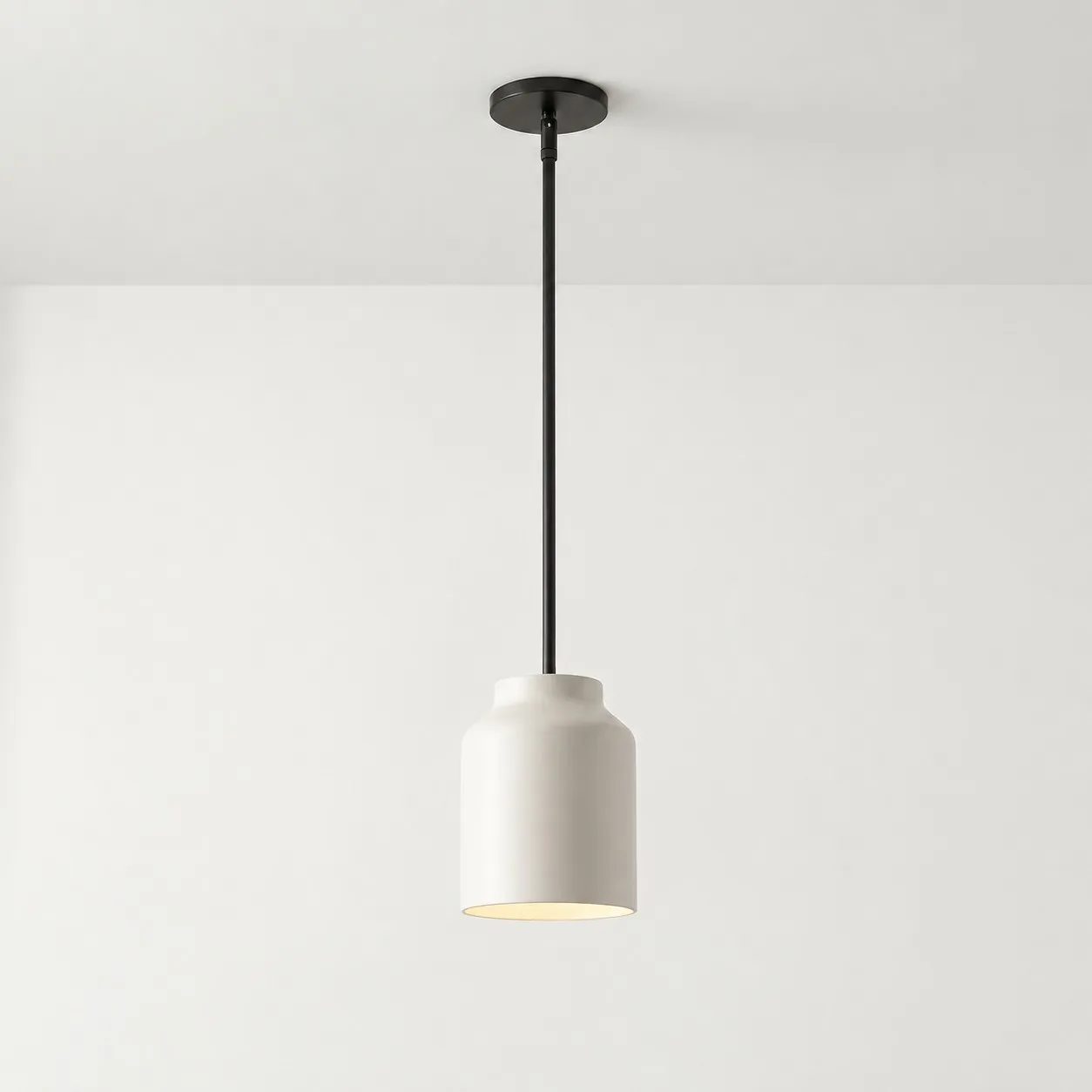
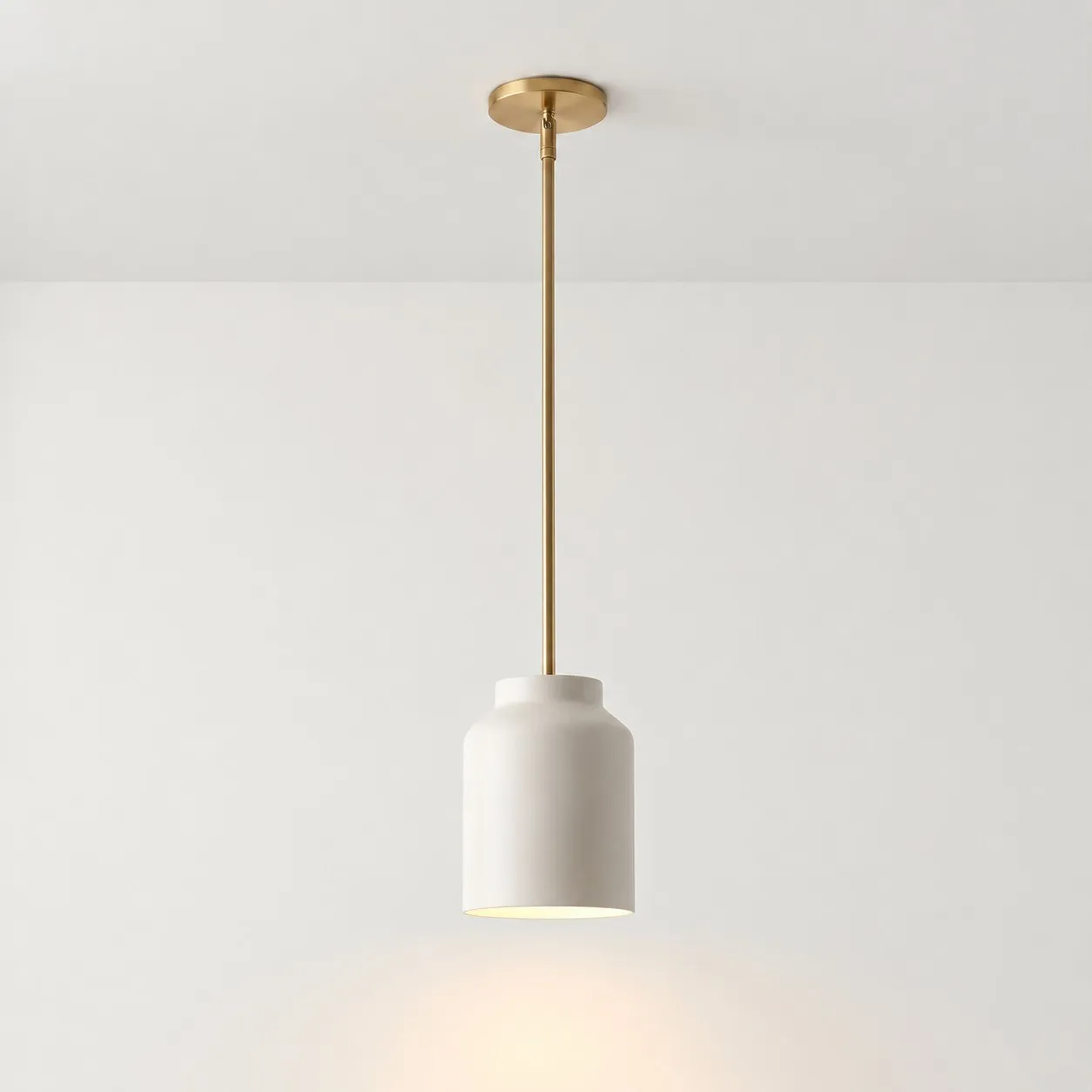
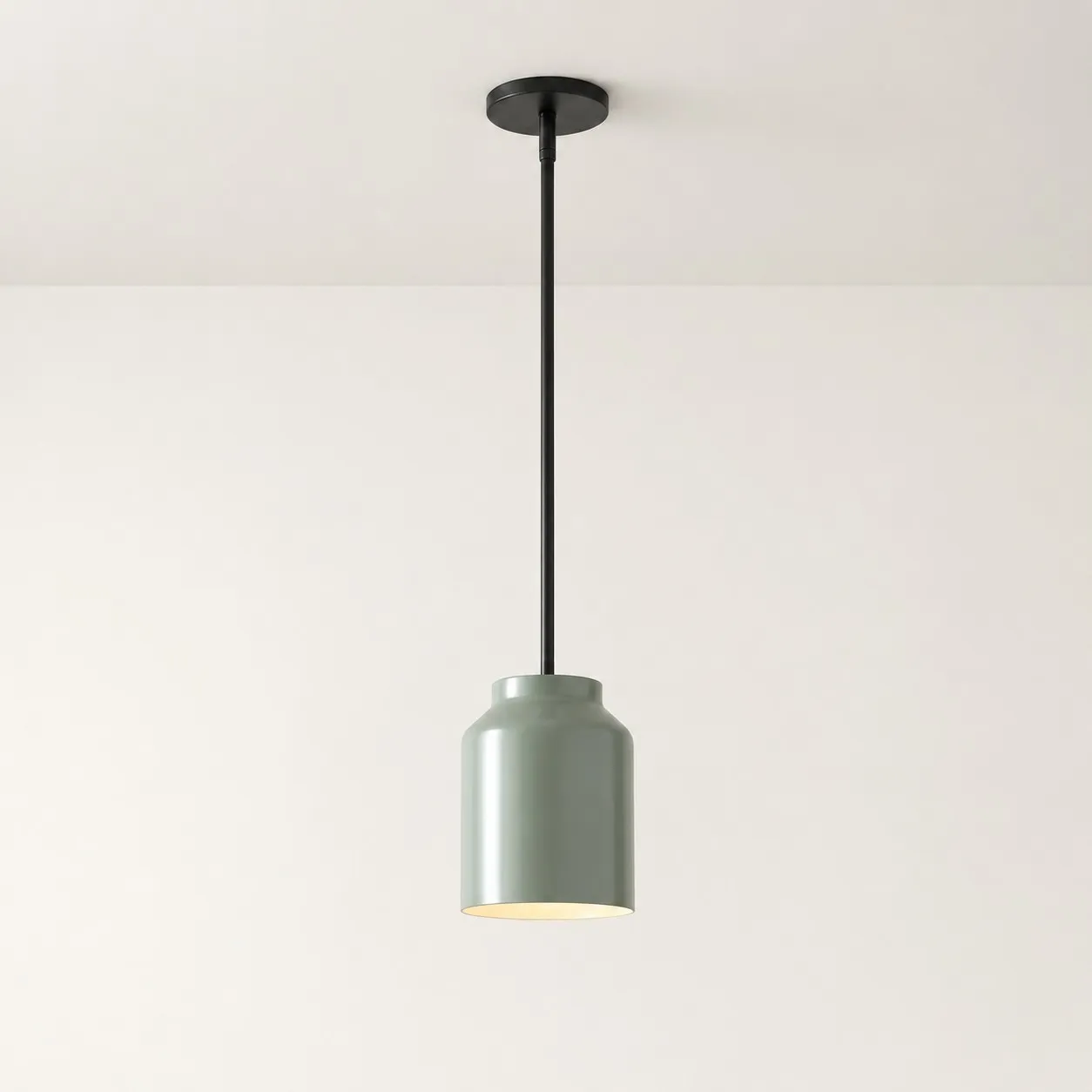
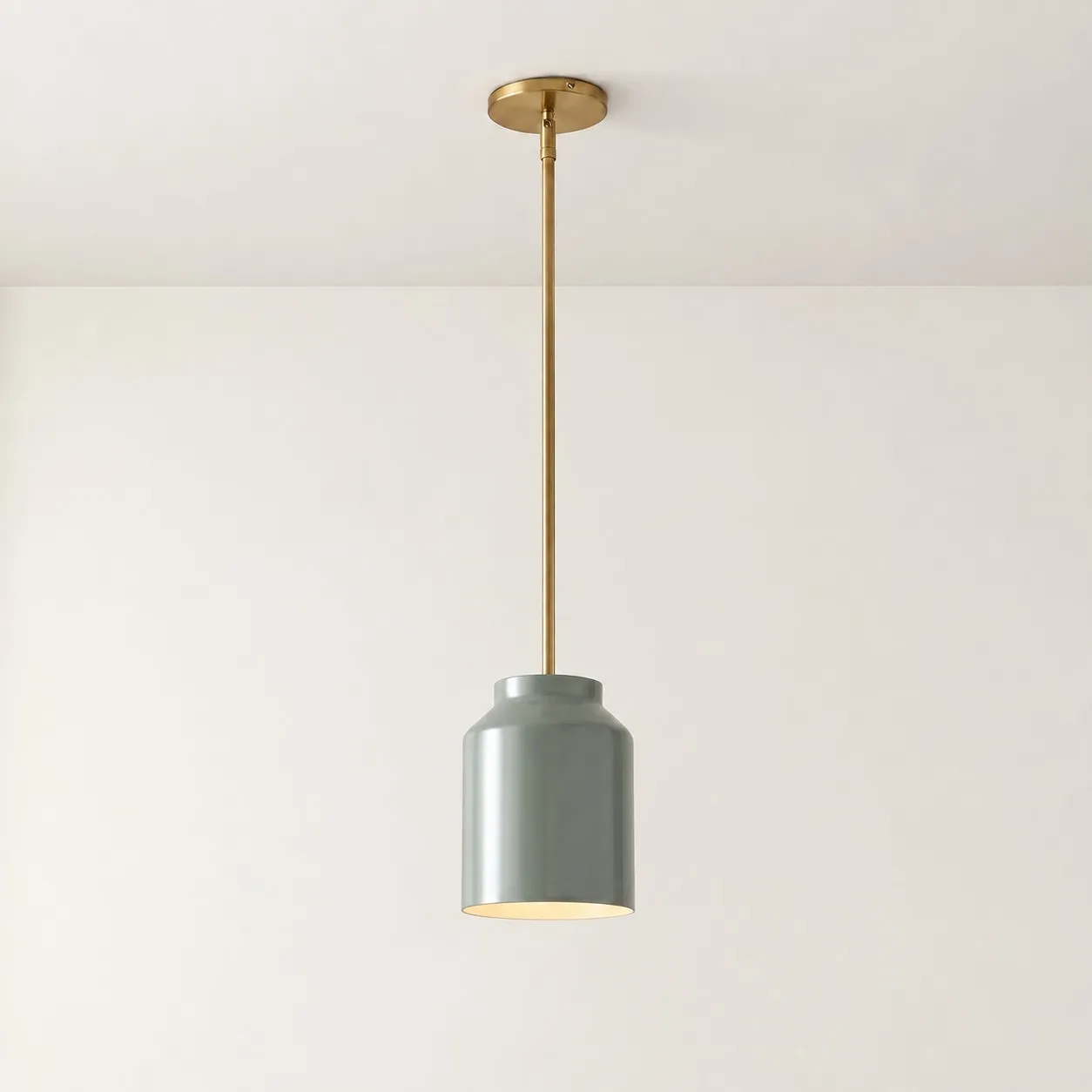
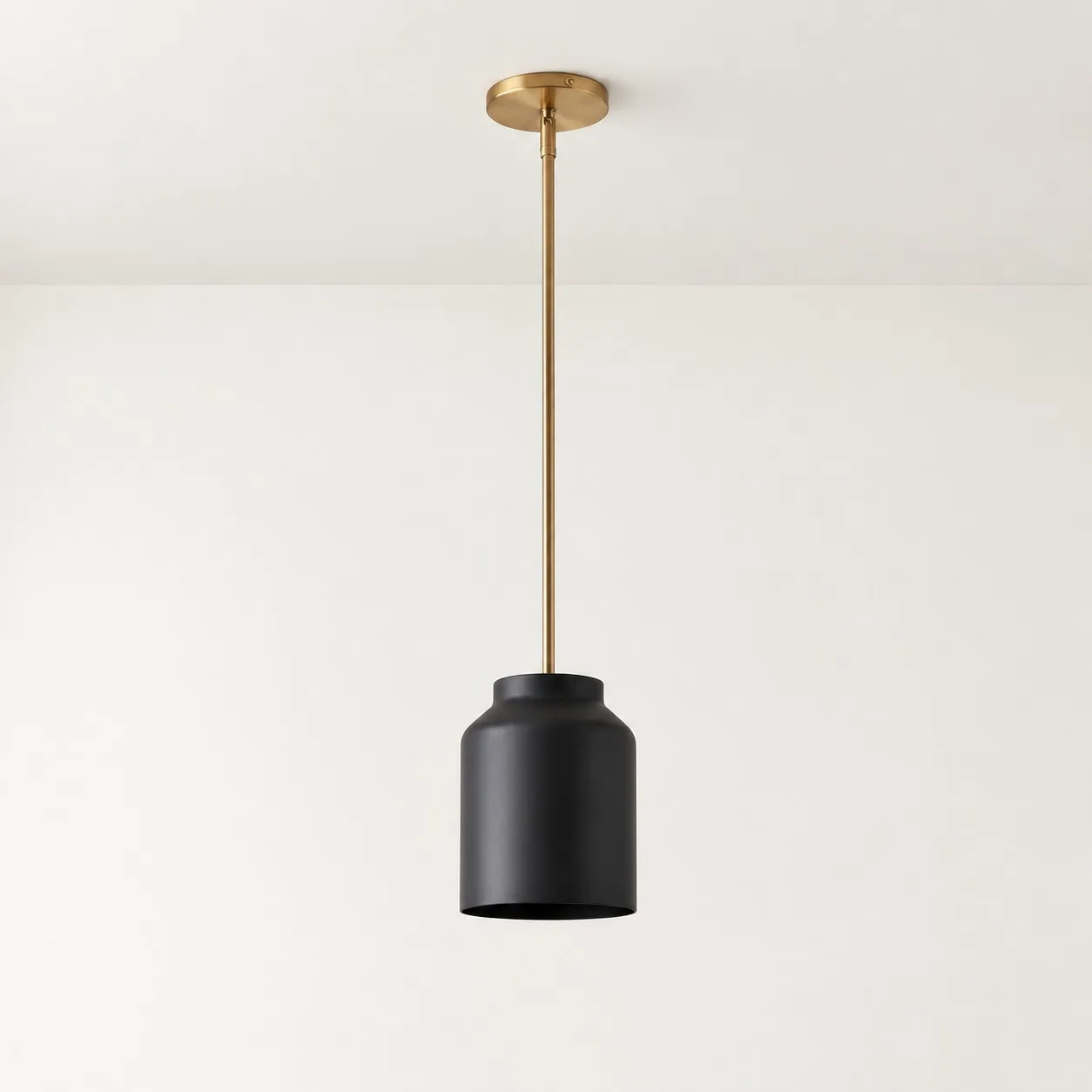
If you have a Hanton colored metal pendant, use the markings and instructions for your exact fixture when shopping for a replacement bulb. Its metal shade makes the view from below especially relevant: check the bulb’s fit and visible glare before fine-tuning warmth or brightness.
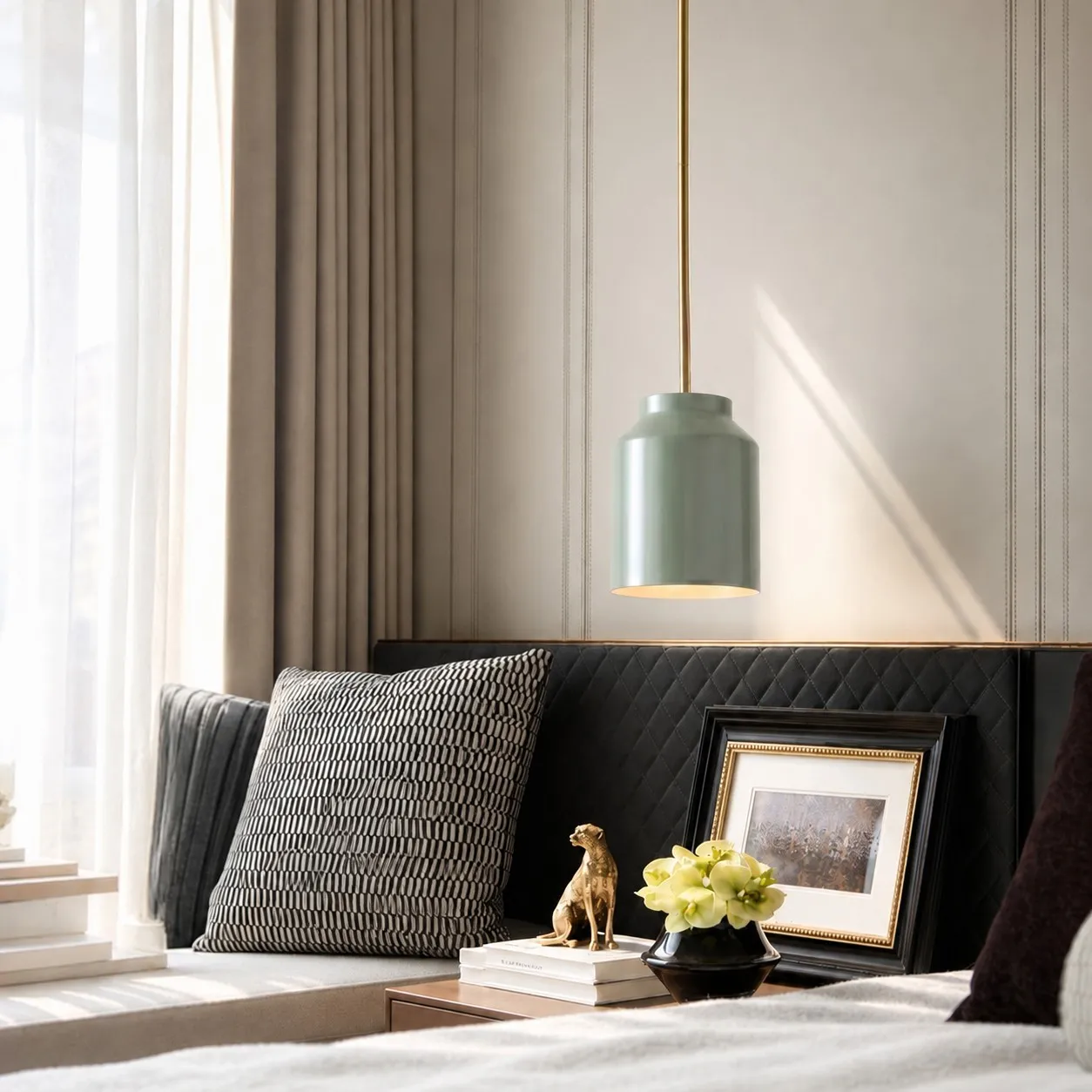
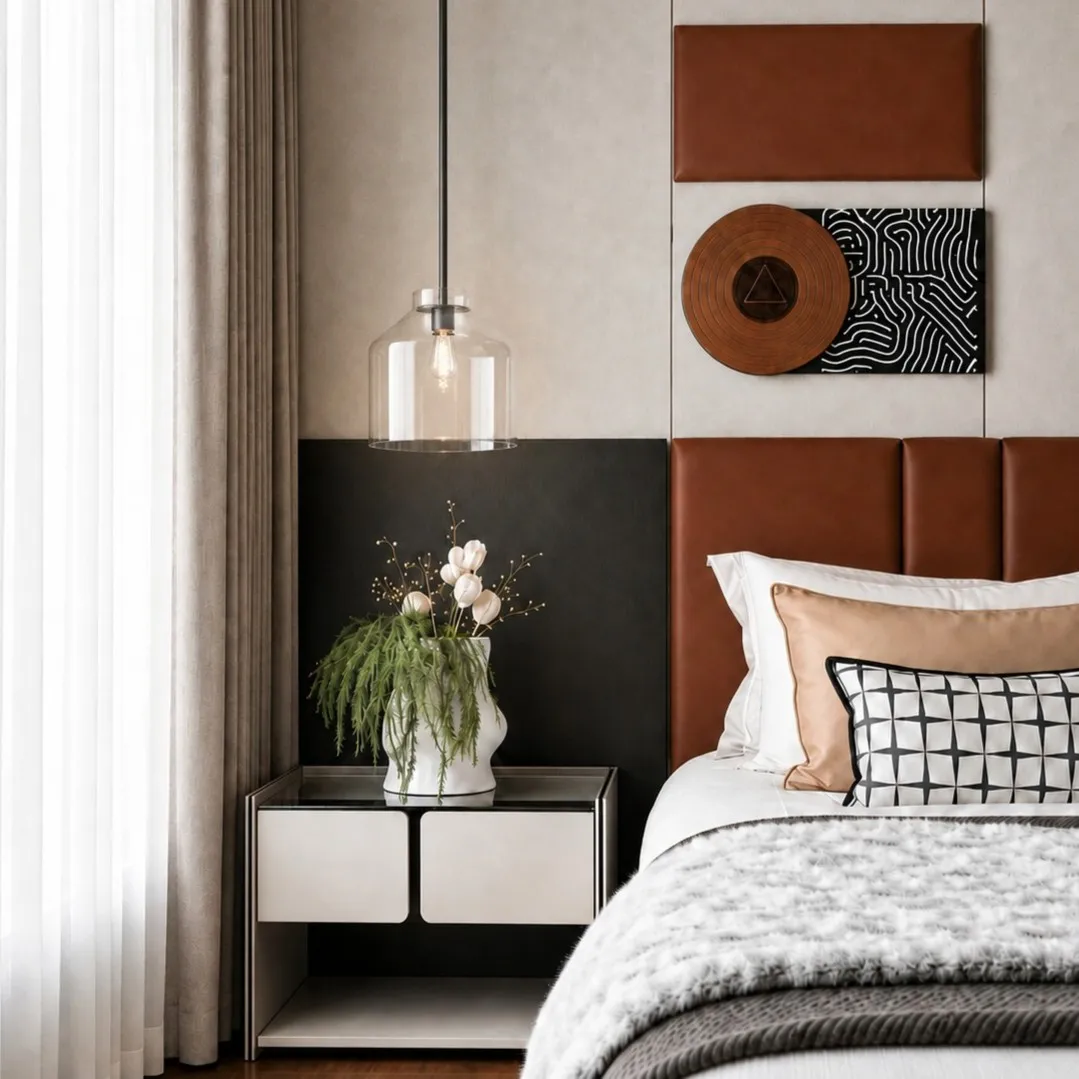
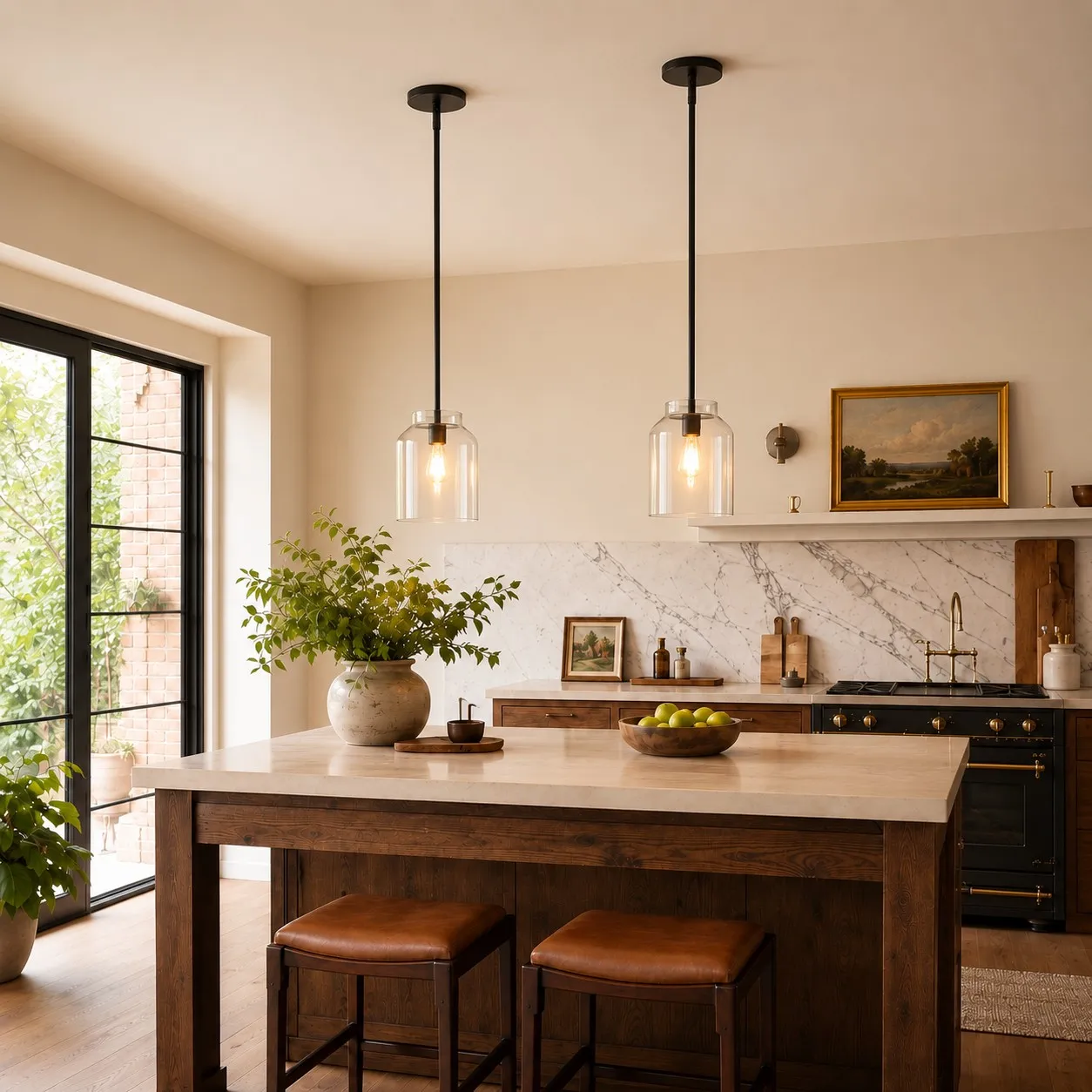
The useful order is straightforward: confirm compatibility, check the seated view, choose a suitable white tone, compare color rendering and lumens, then test the result during normal kitchen use. A bulb can improve what happens beneath the pendant. It cannot, by itself, recreate the entire room shown in a product photograph.