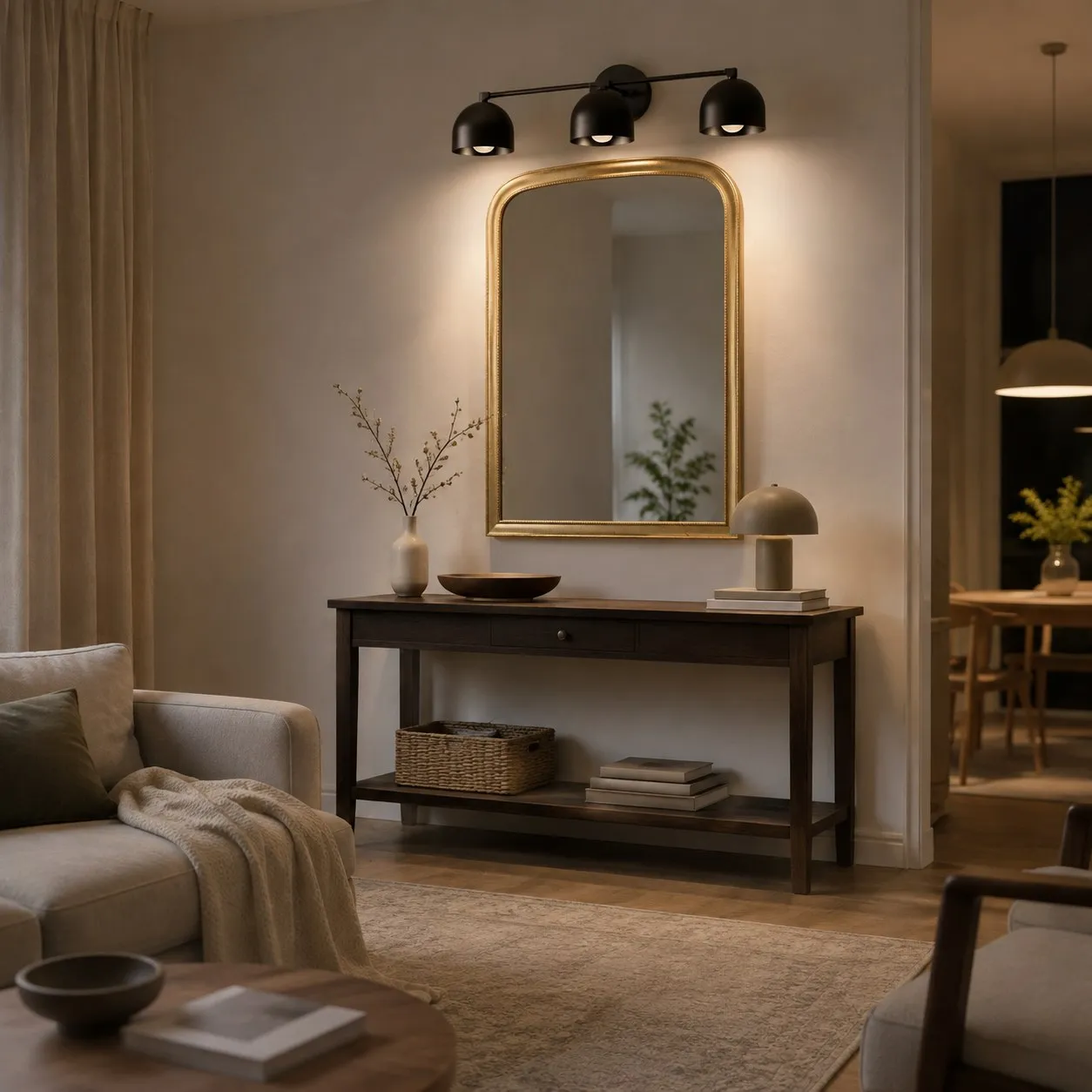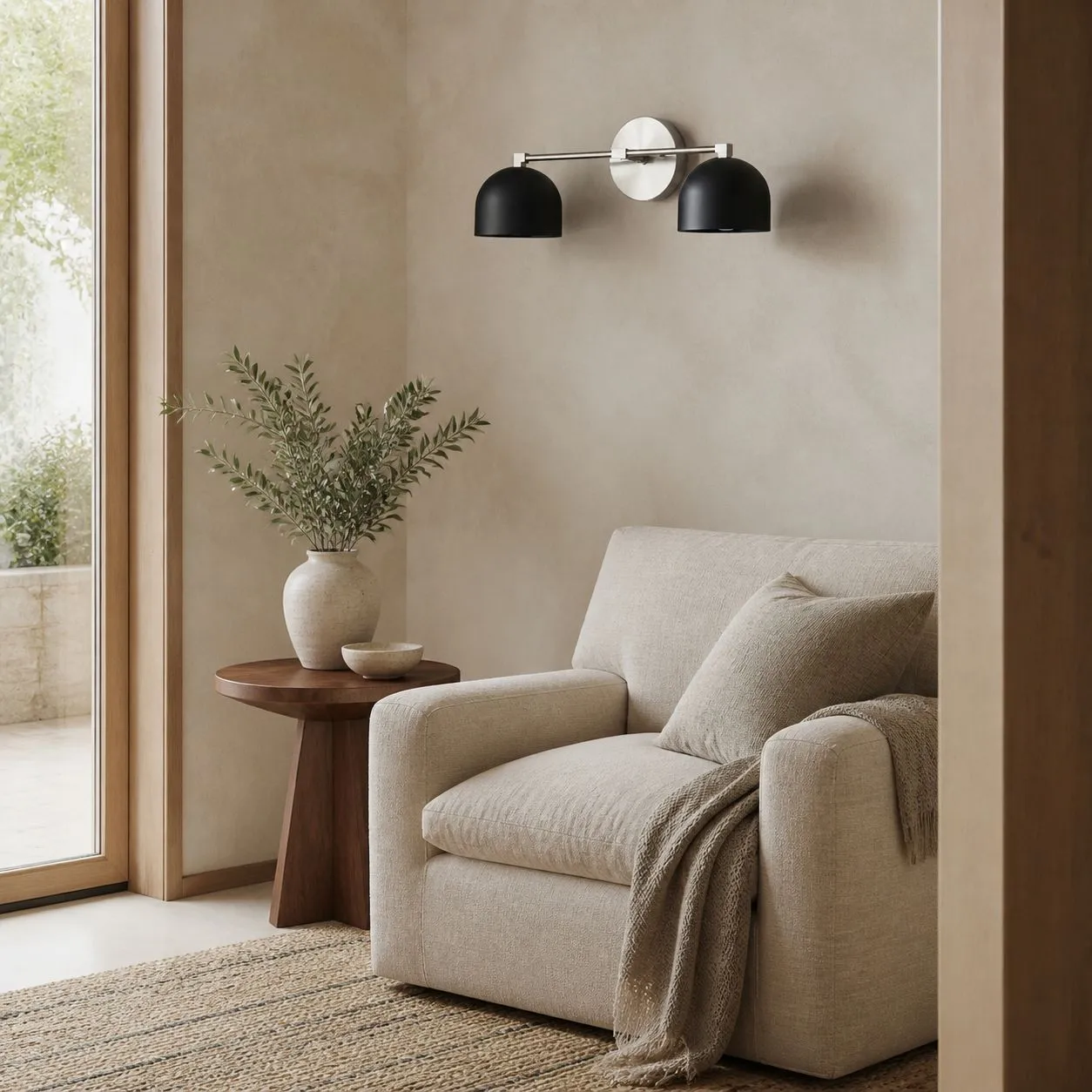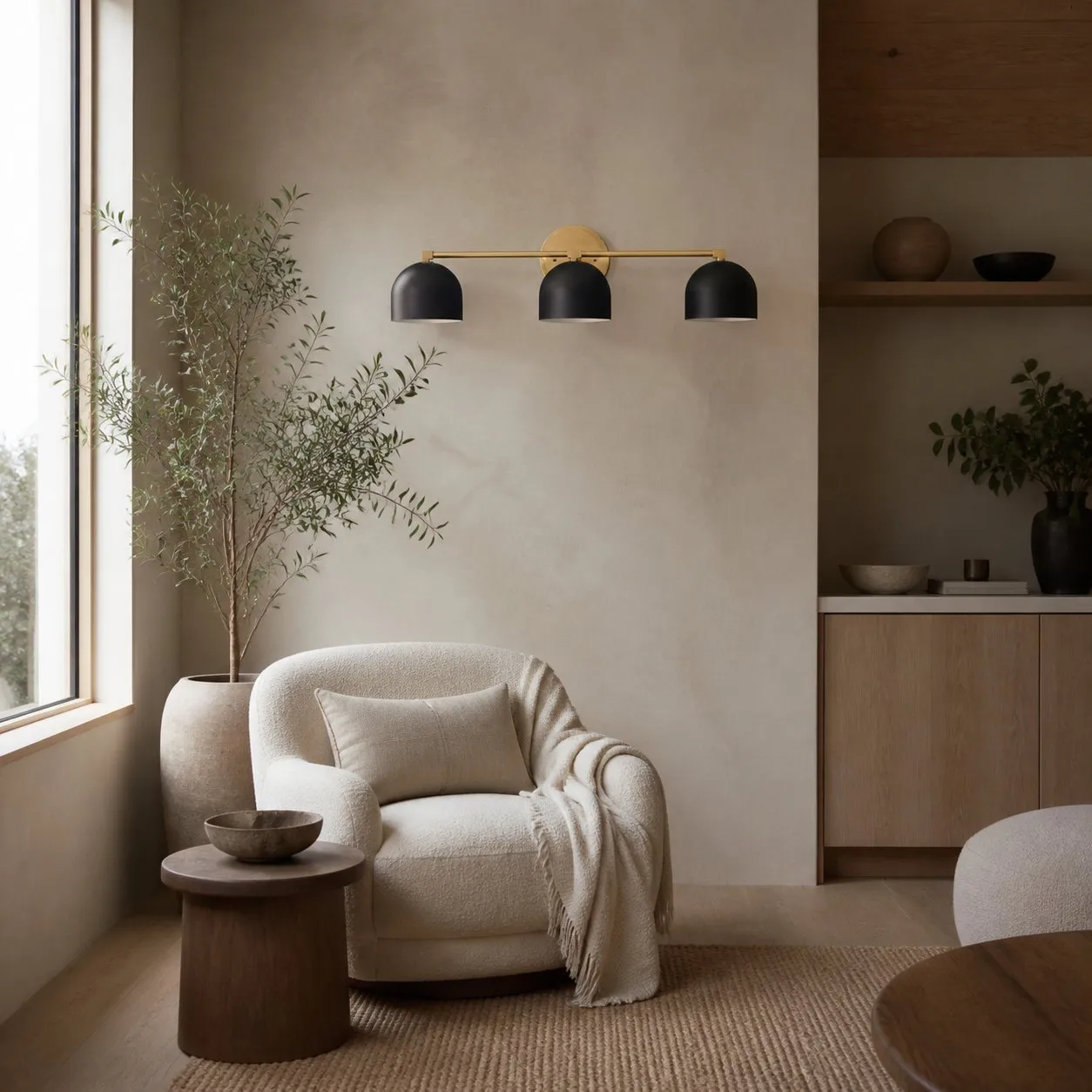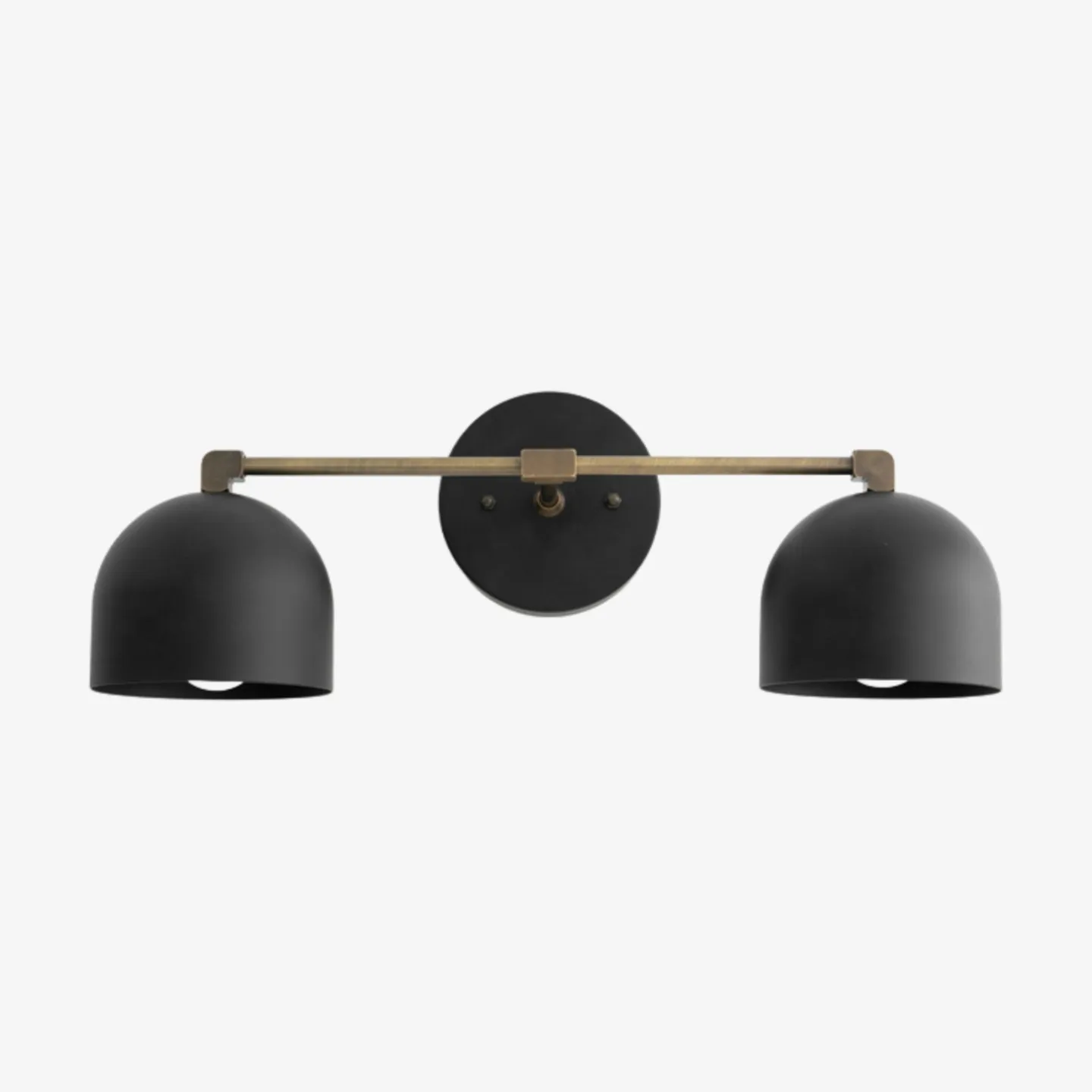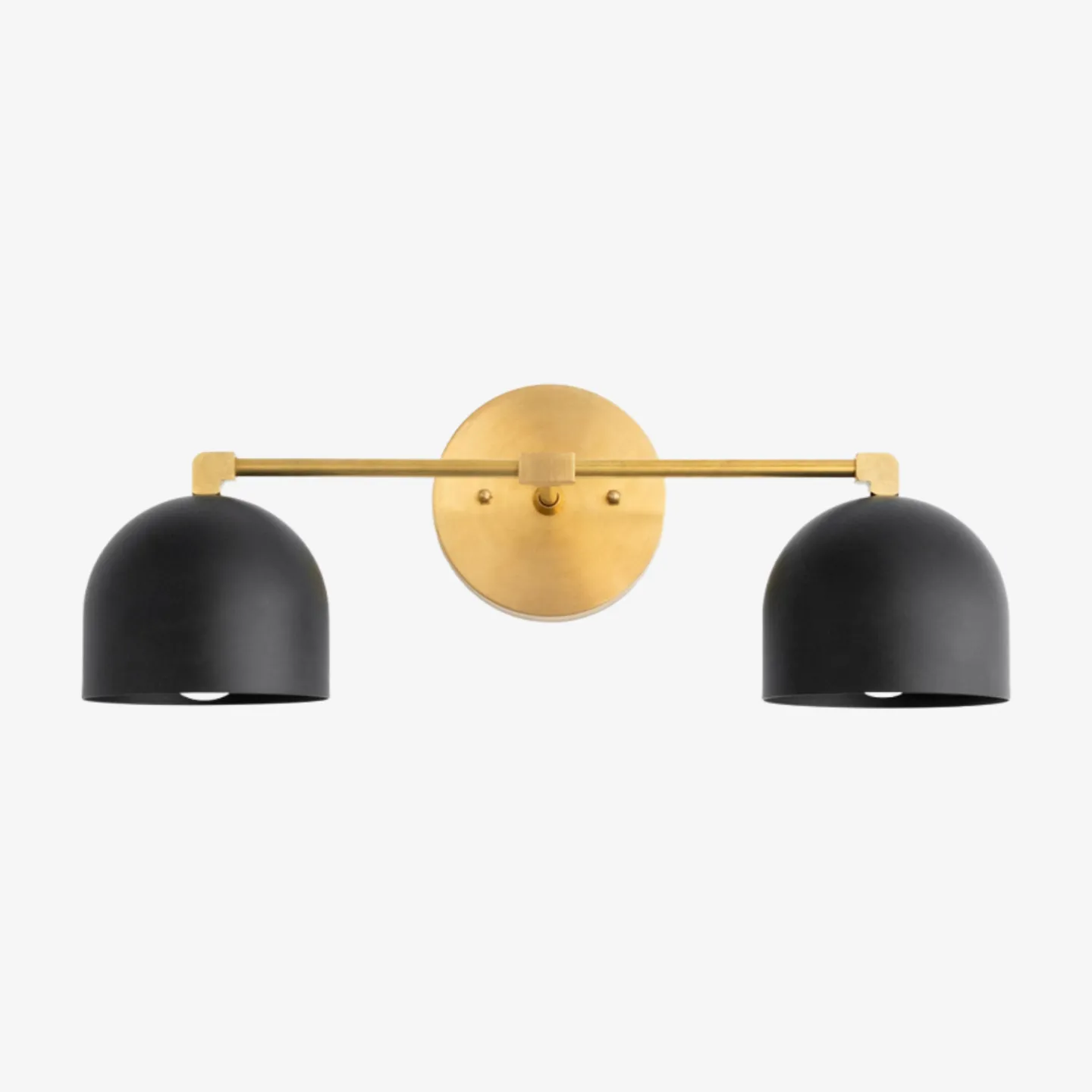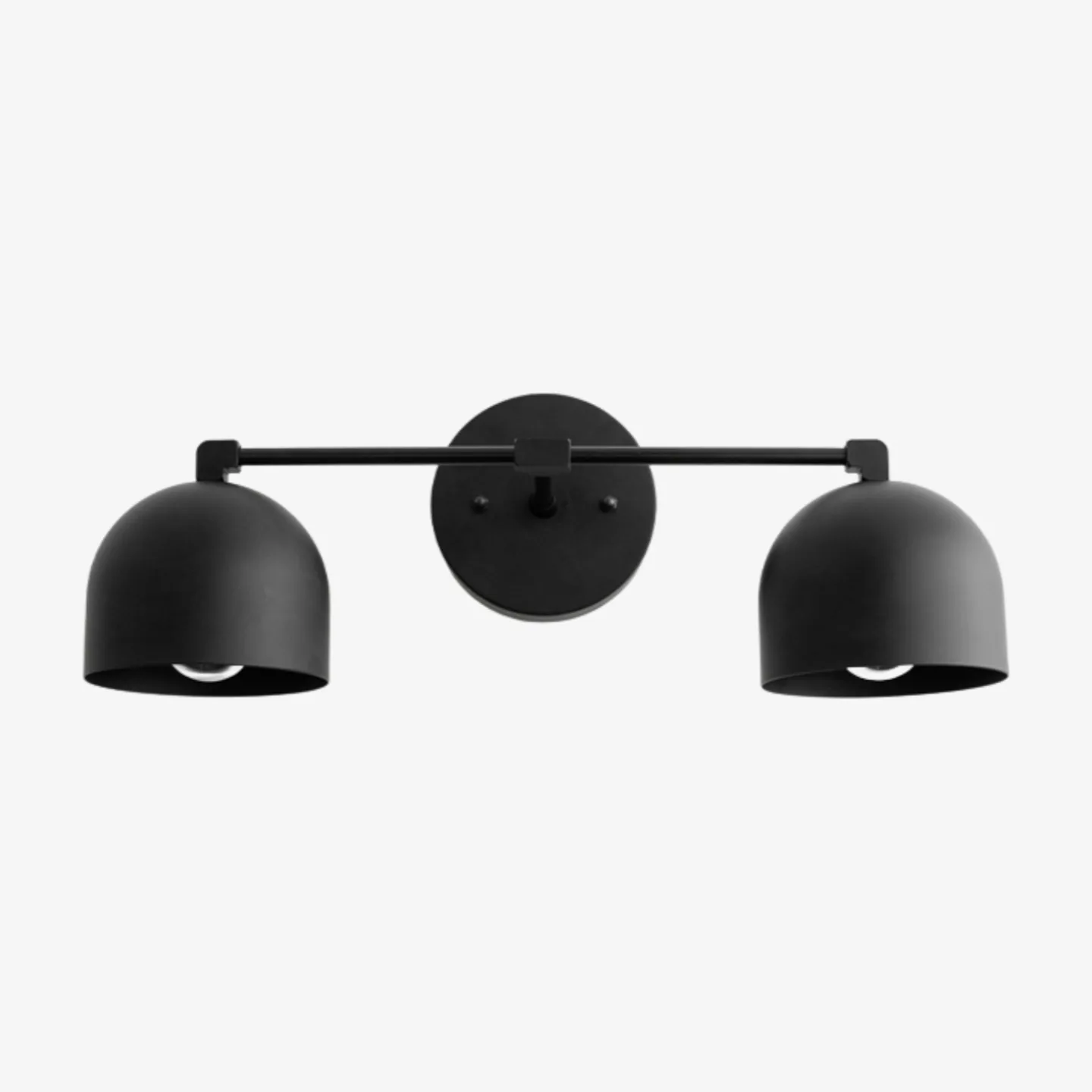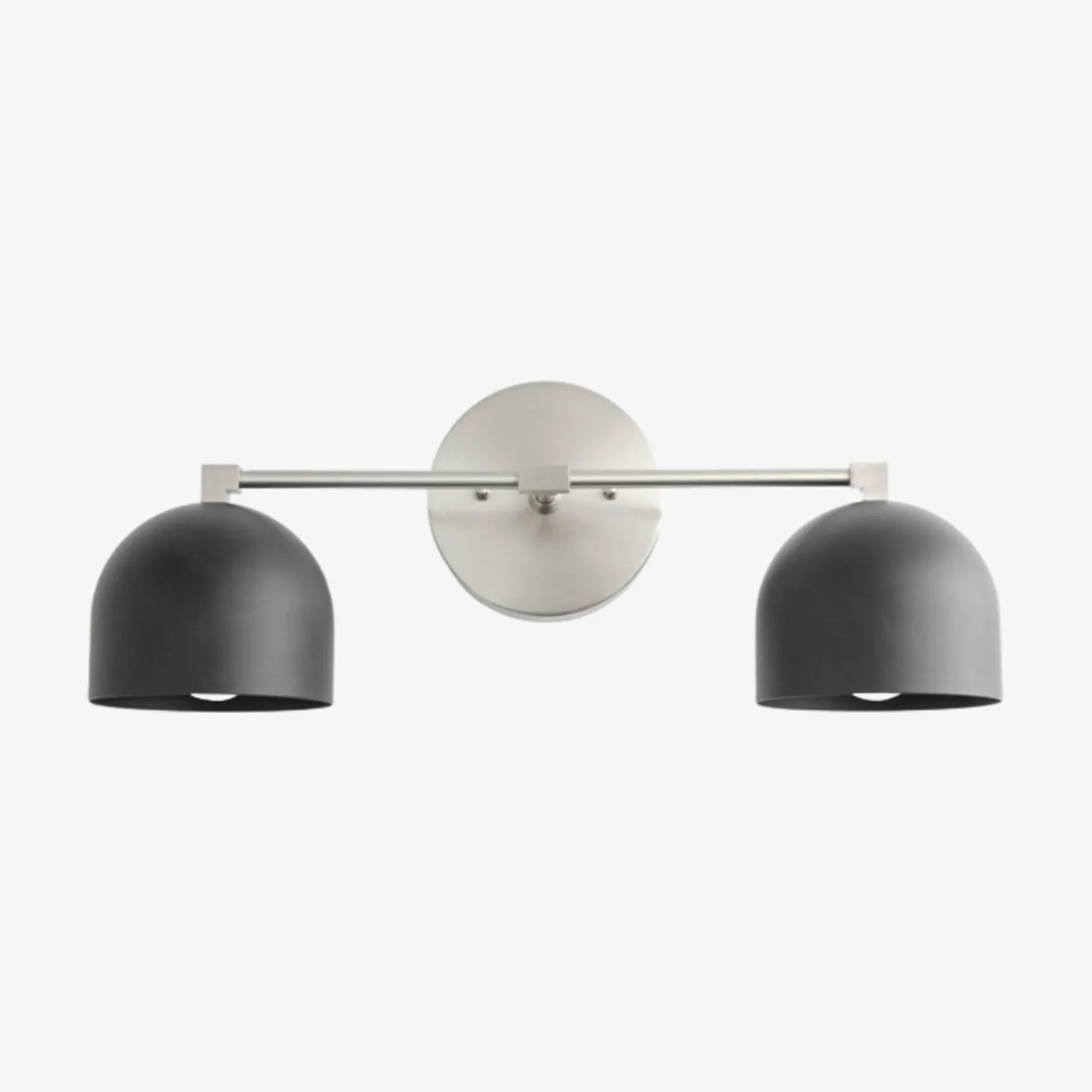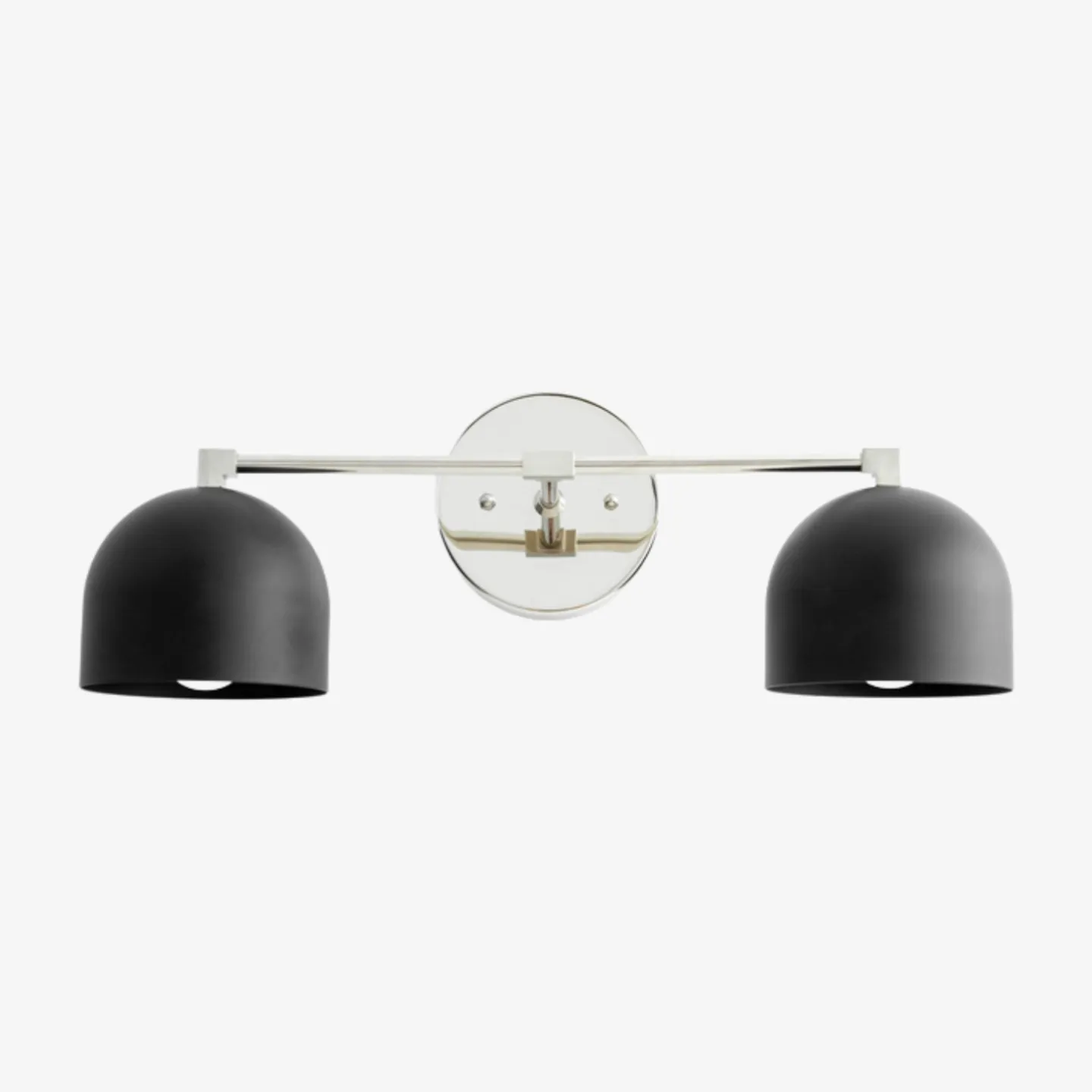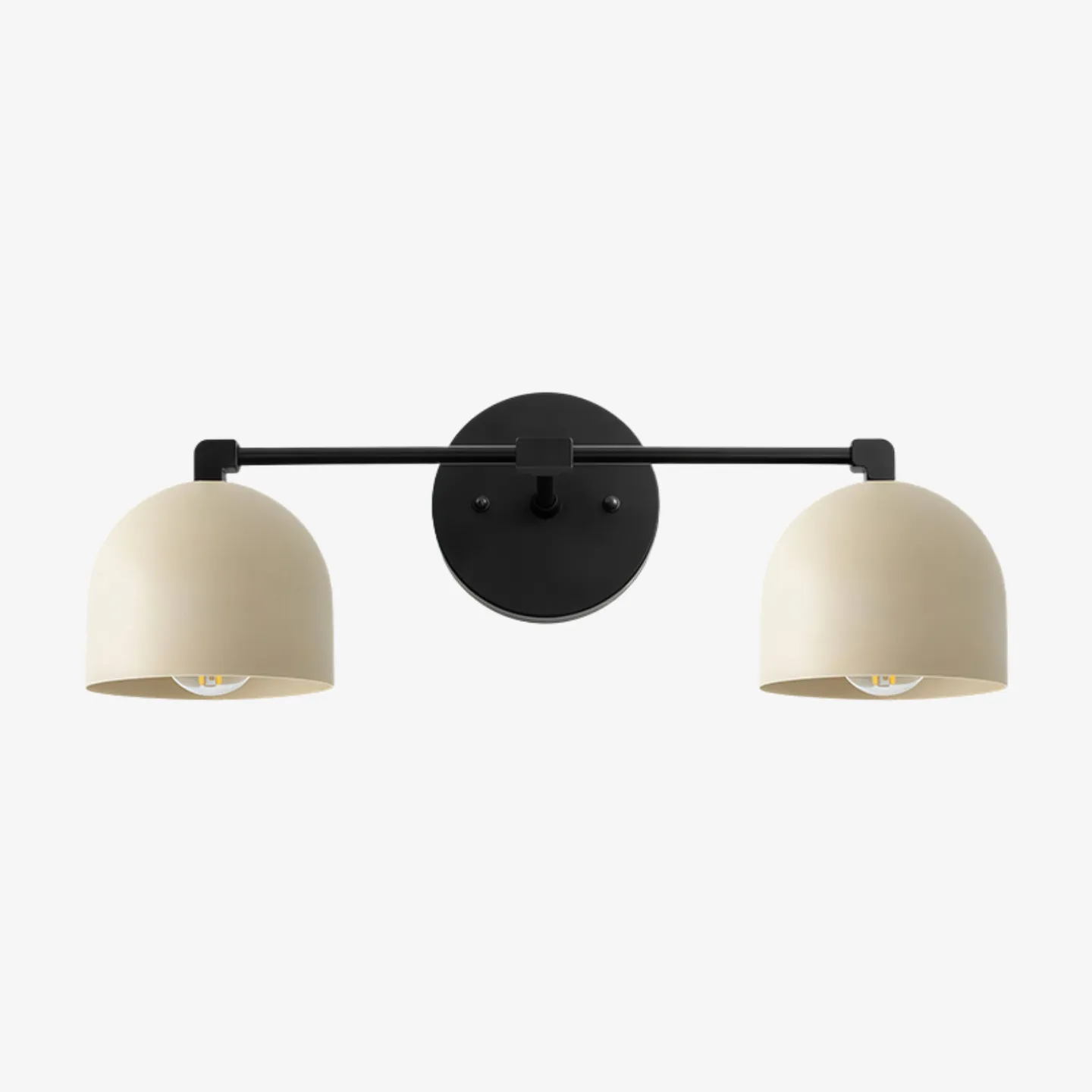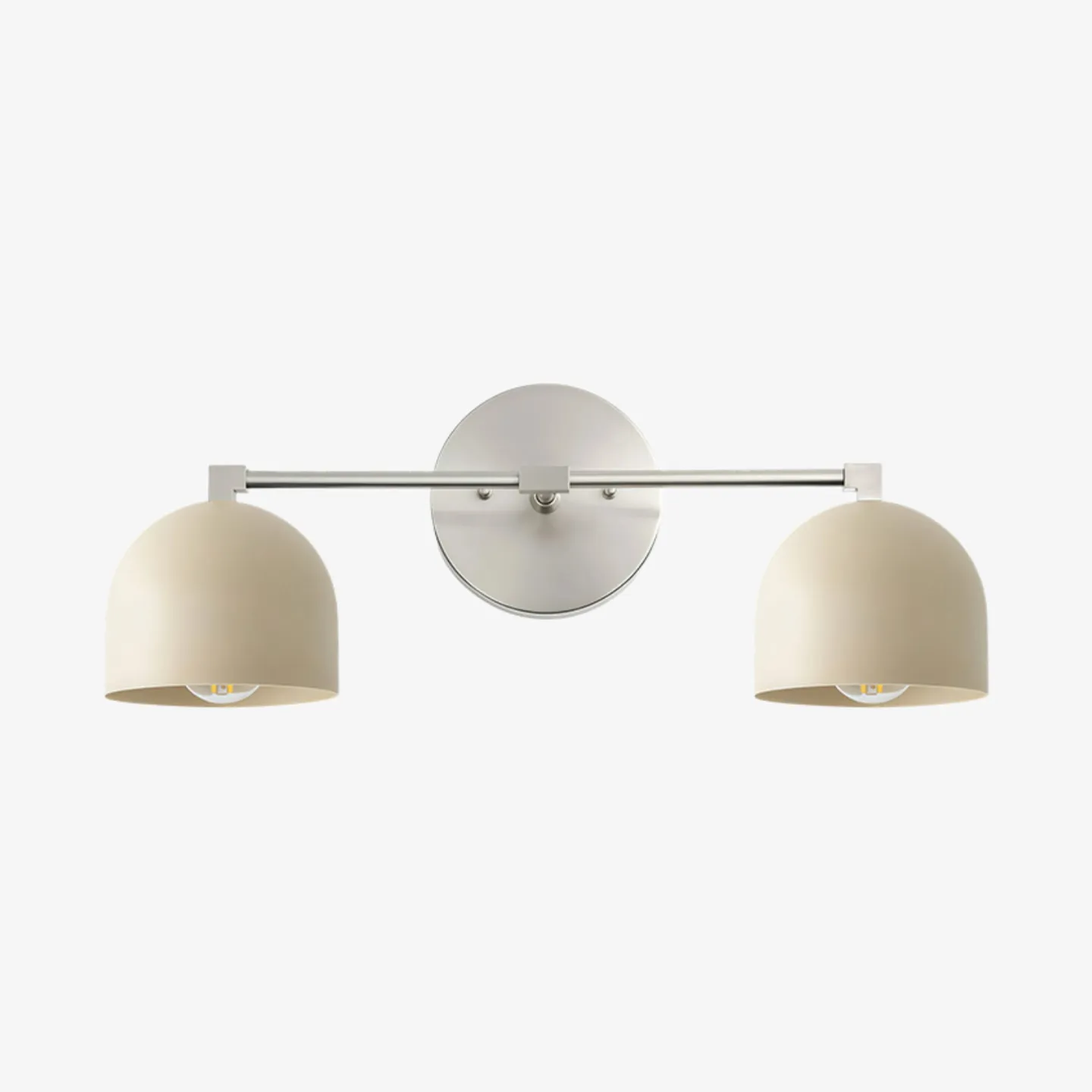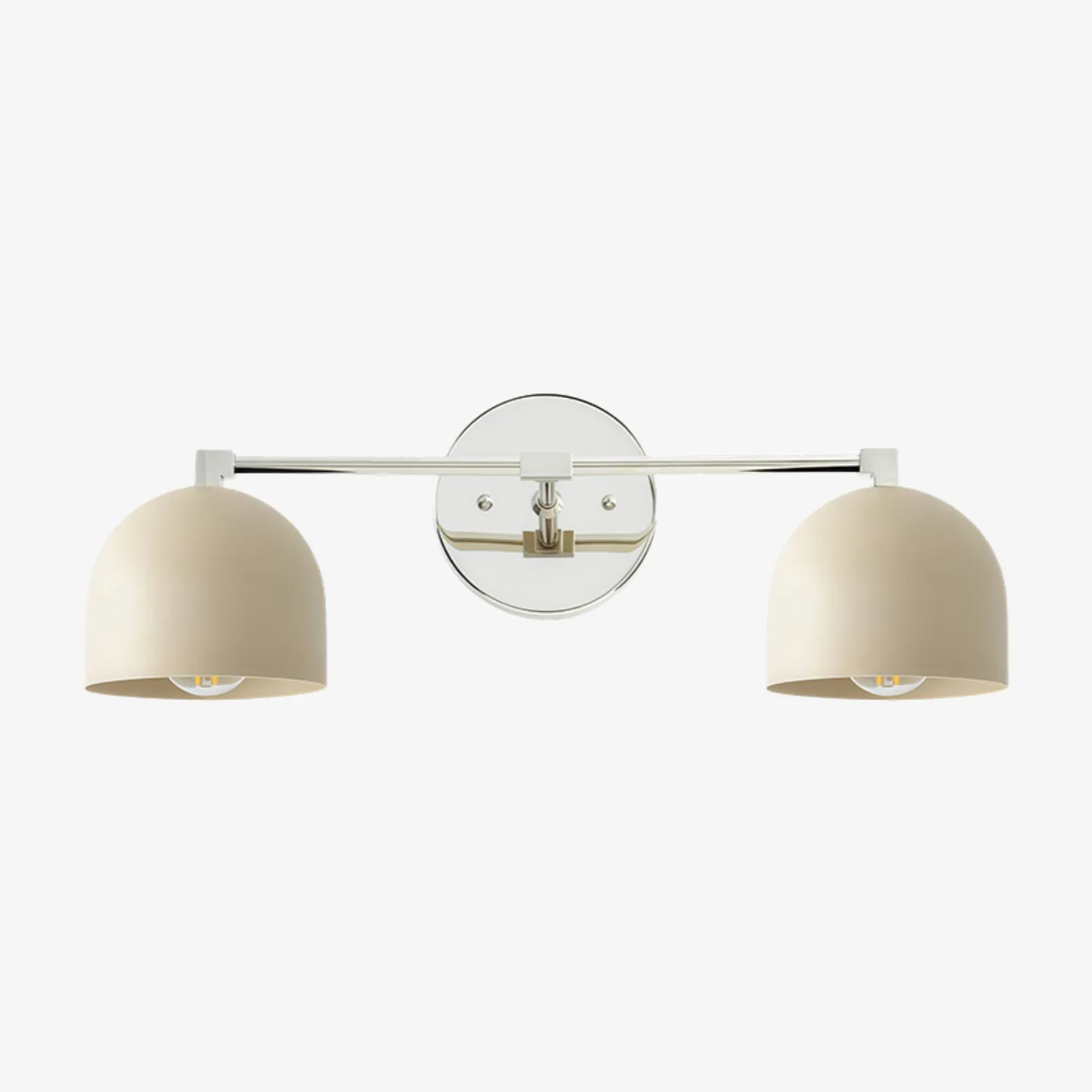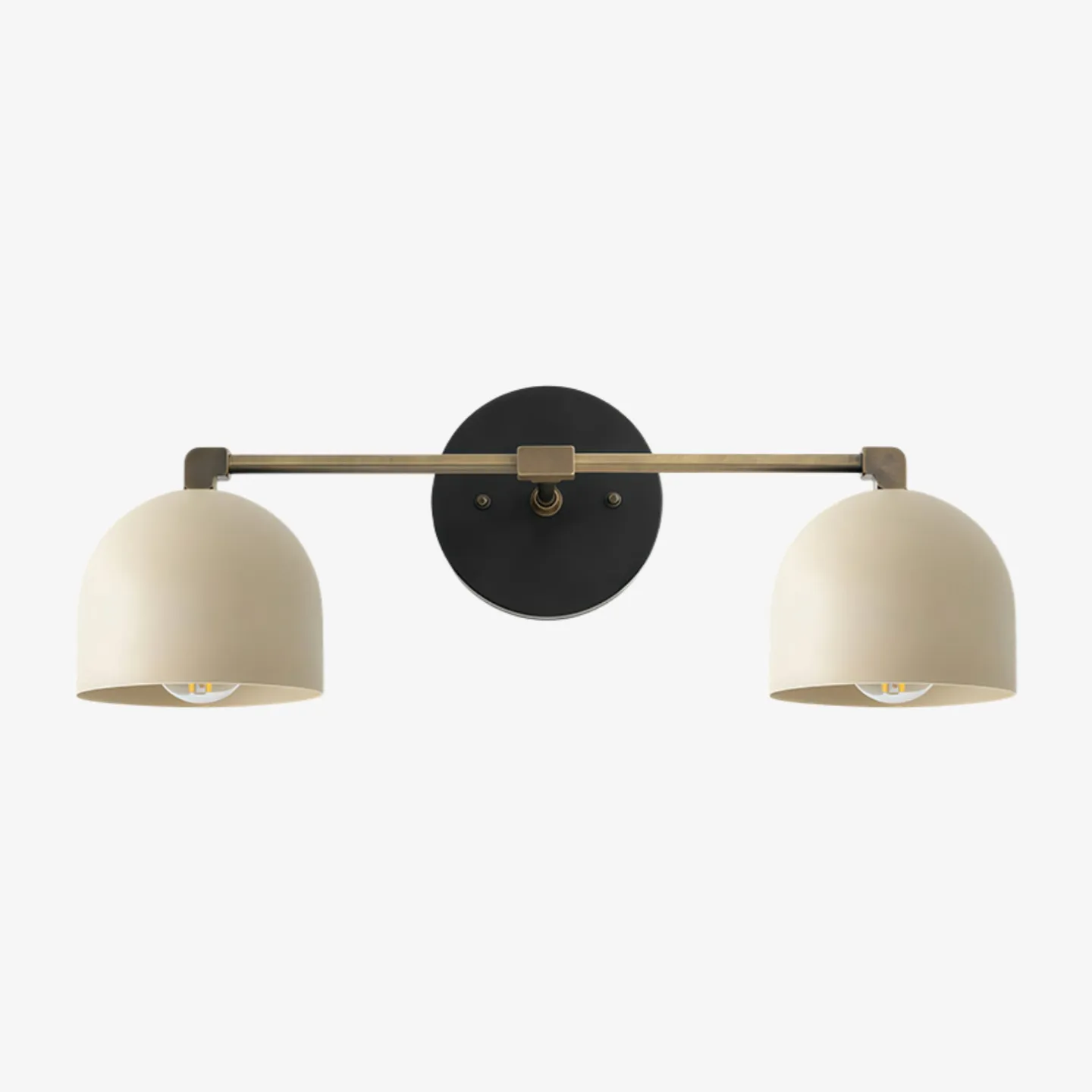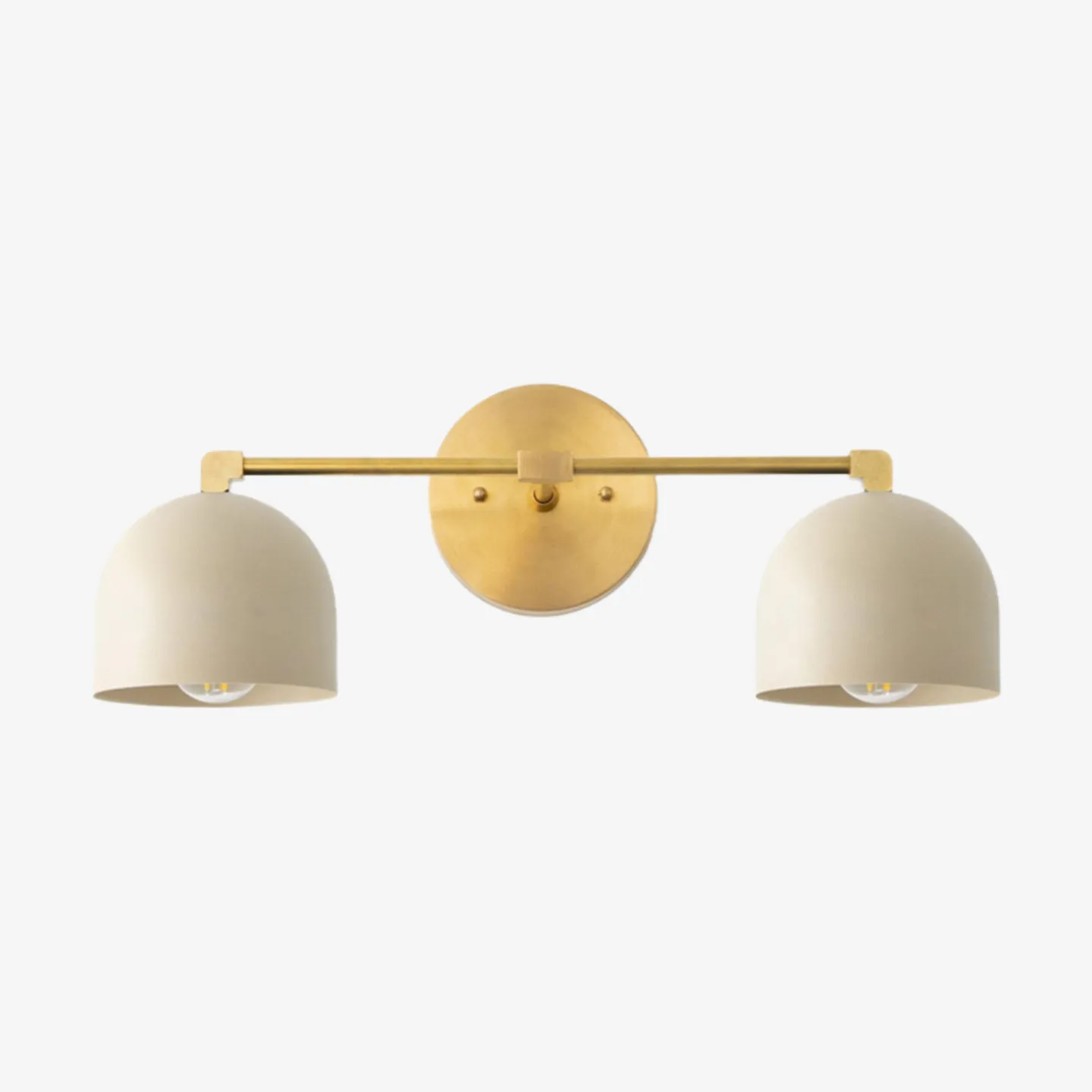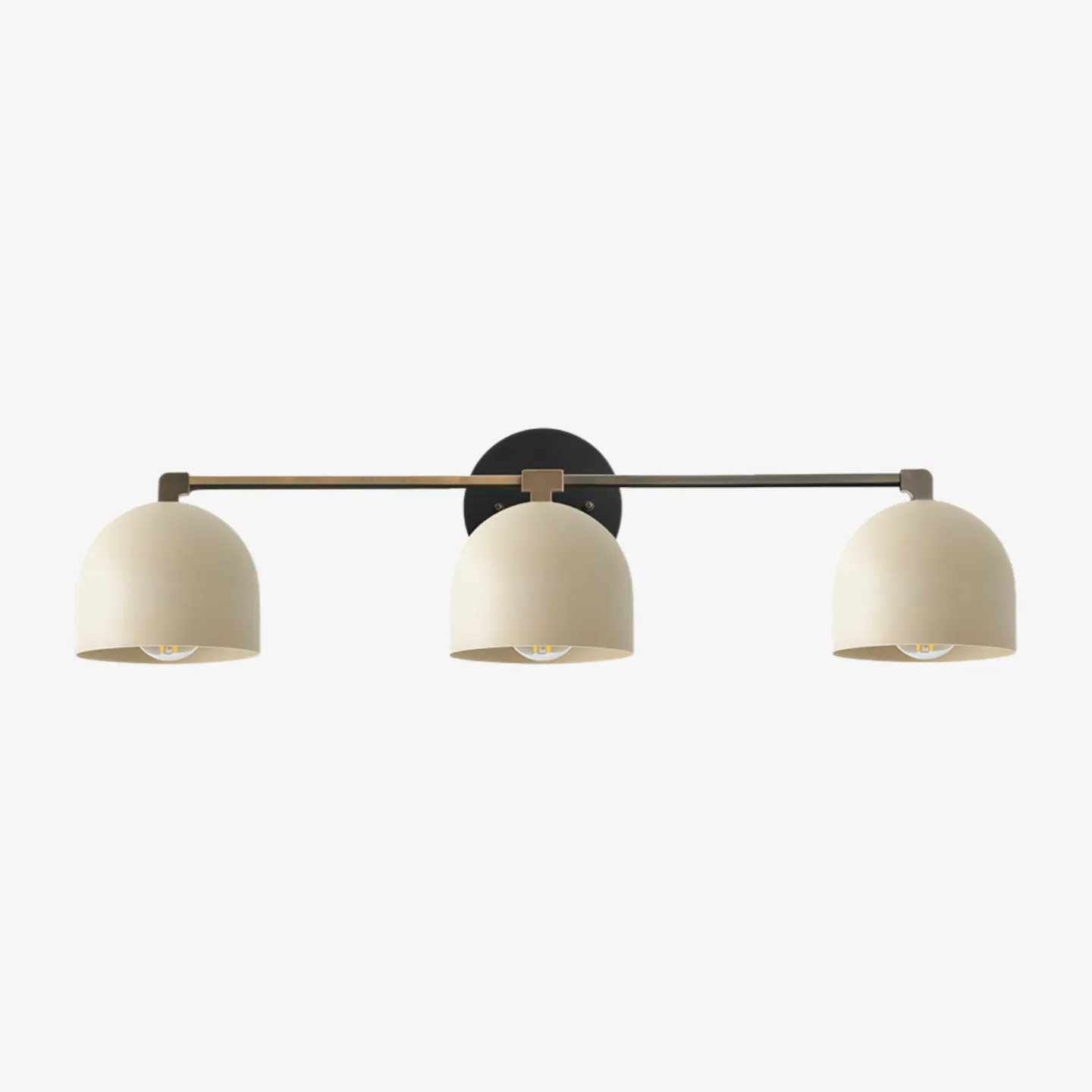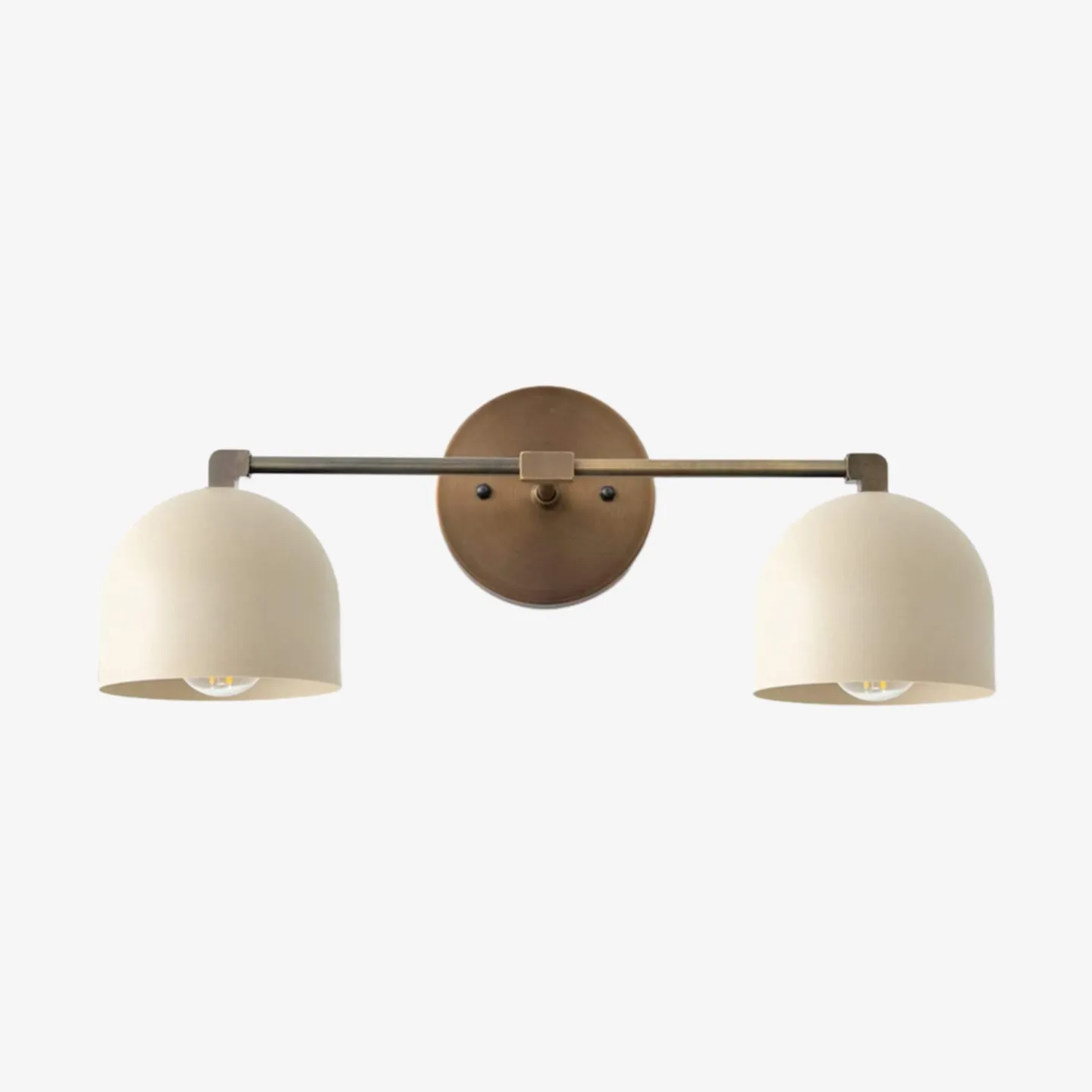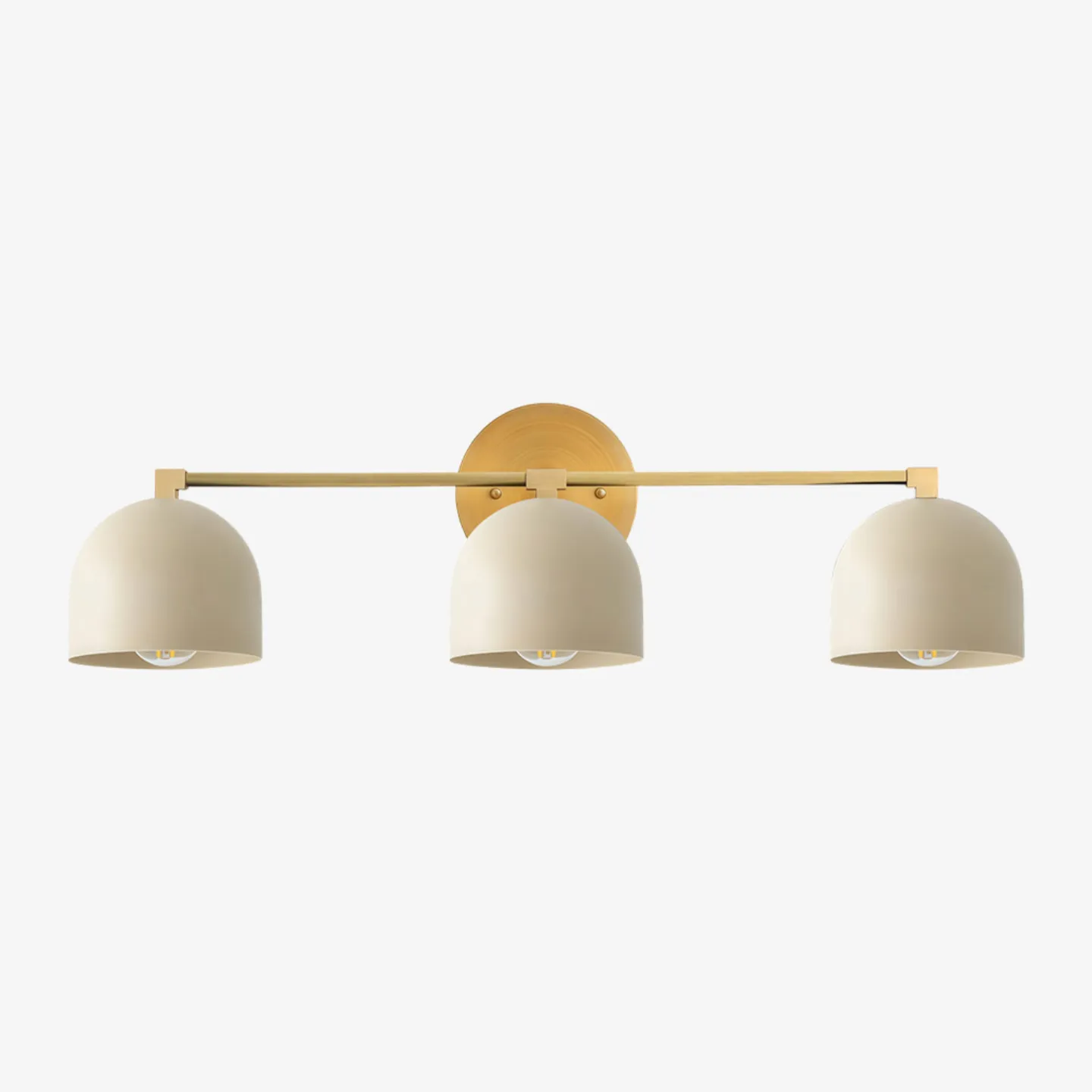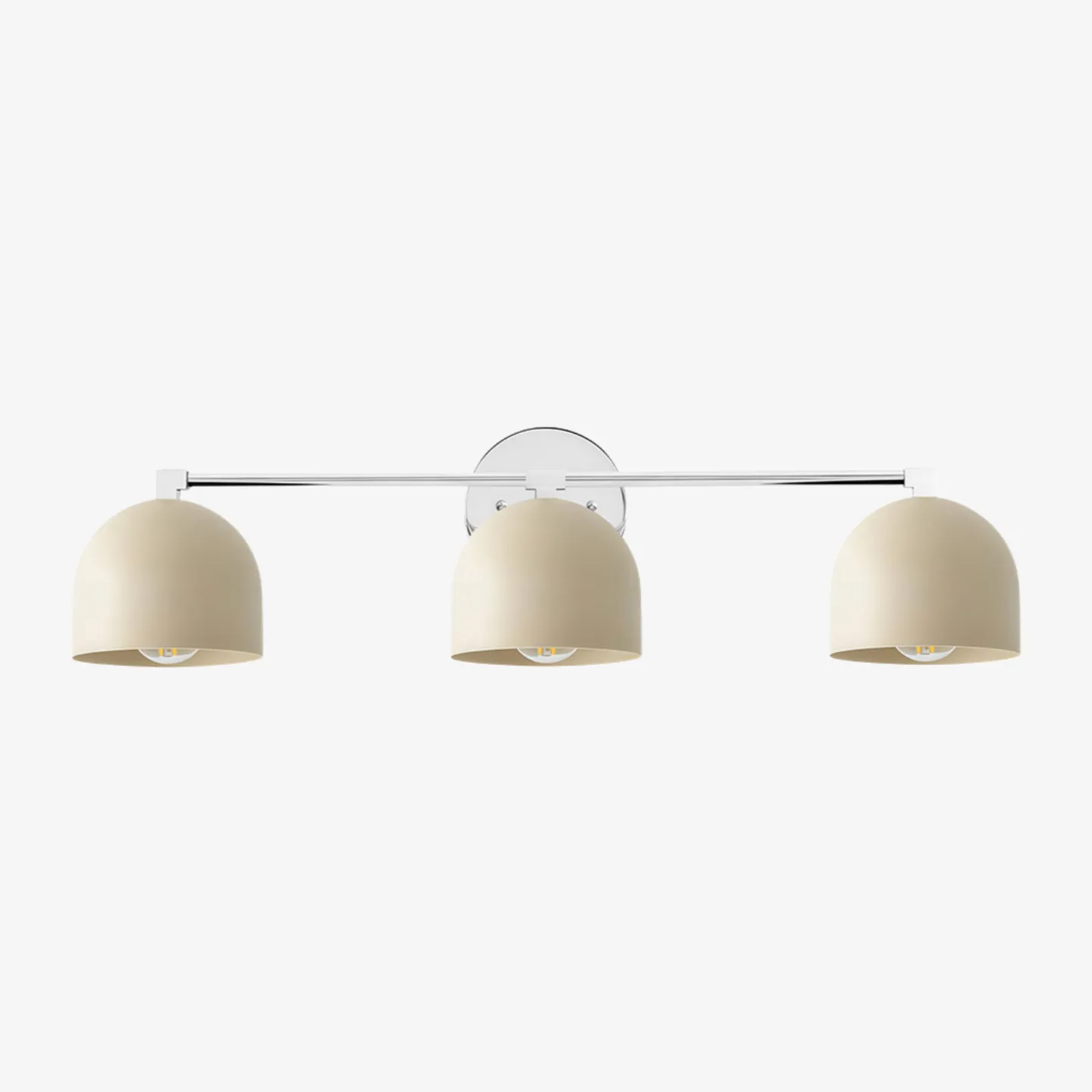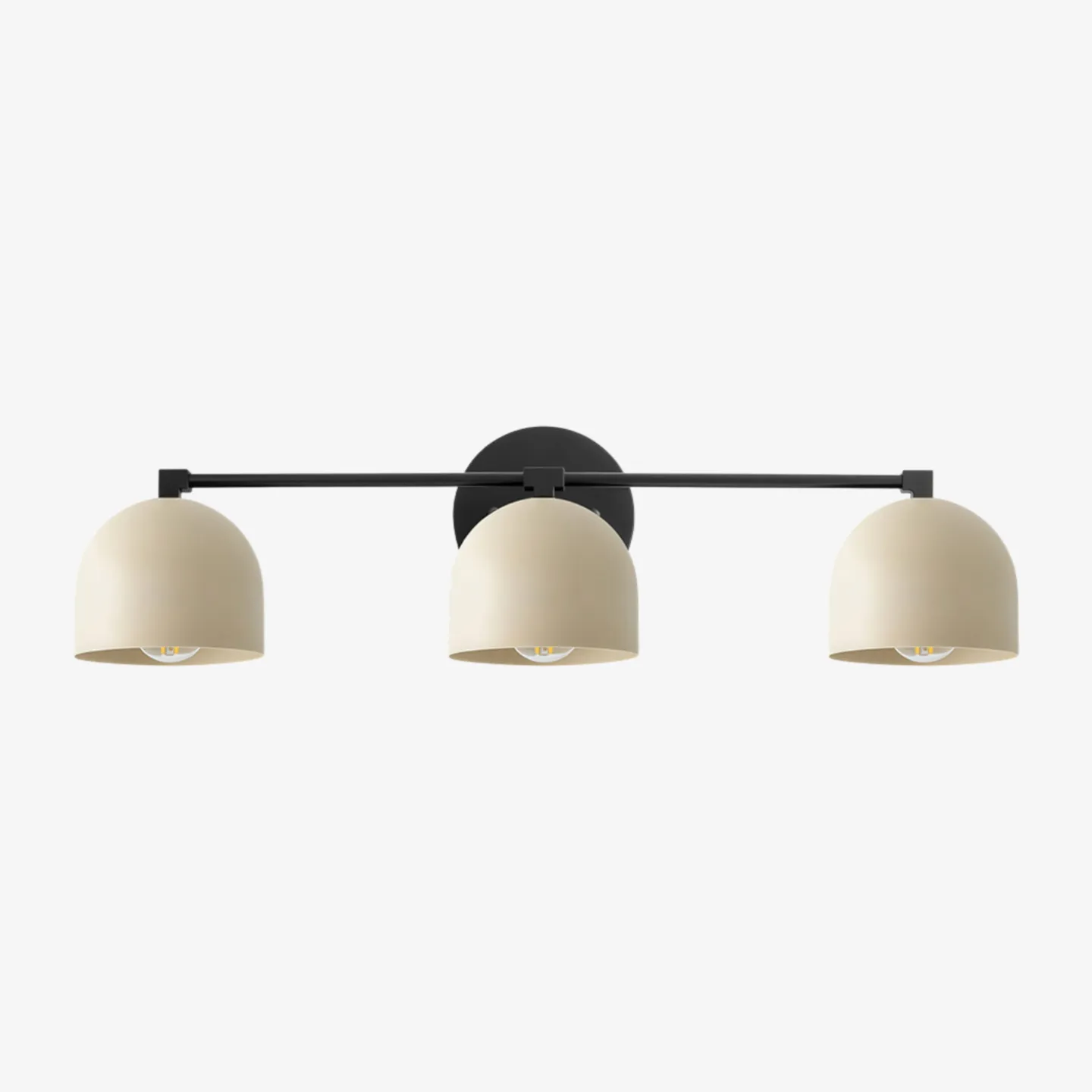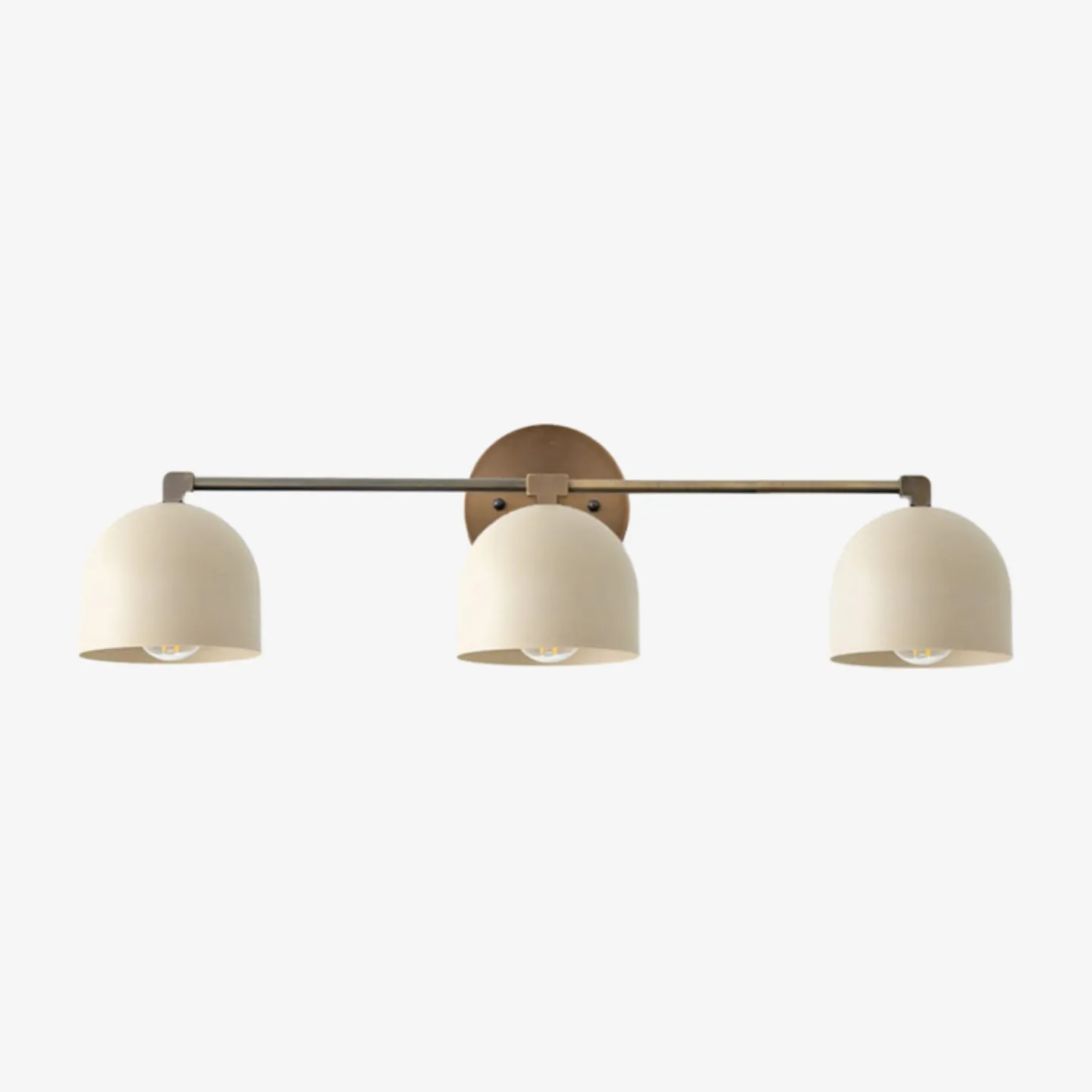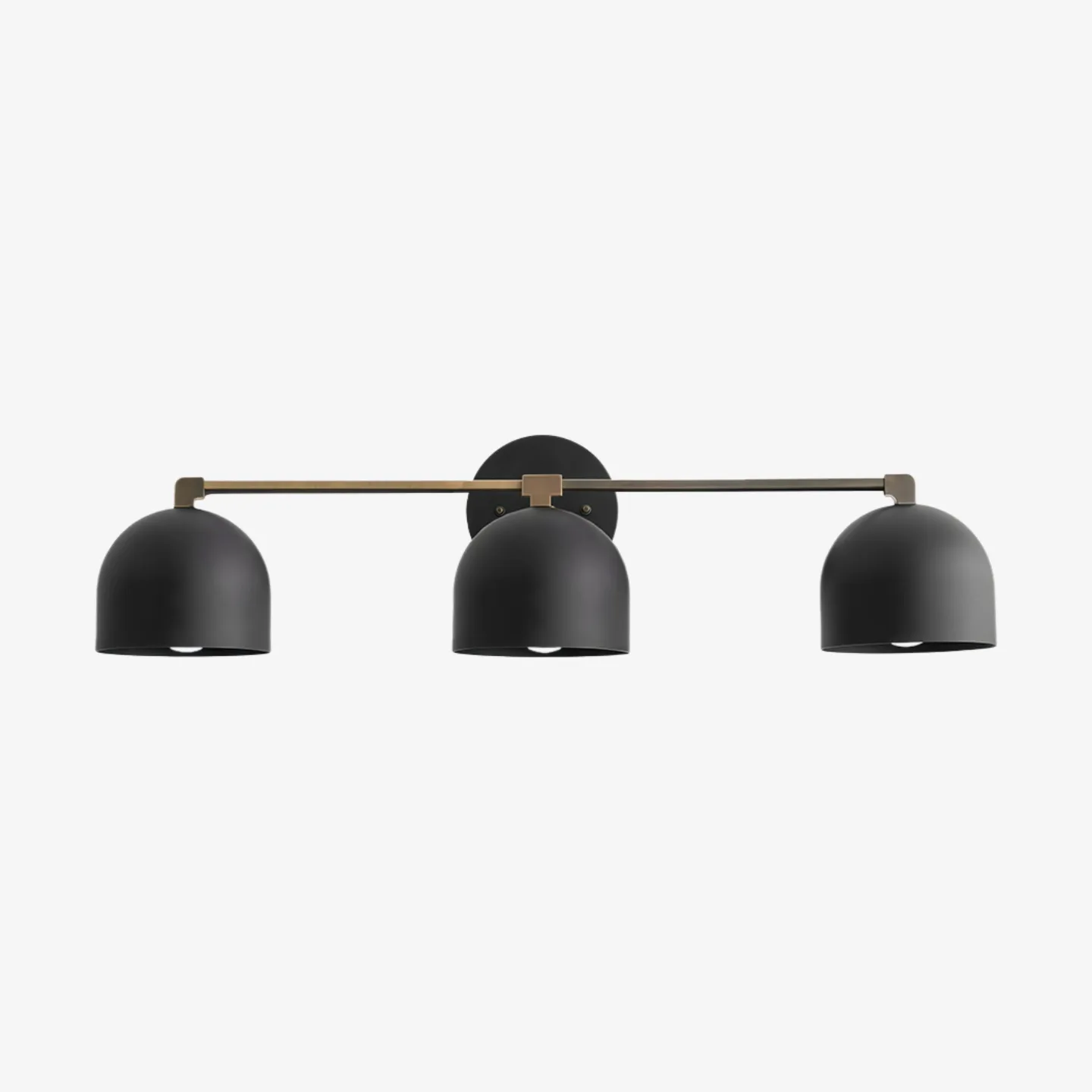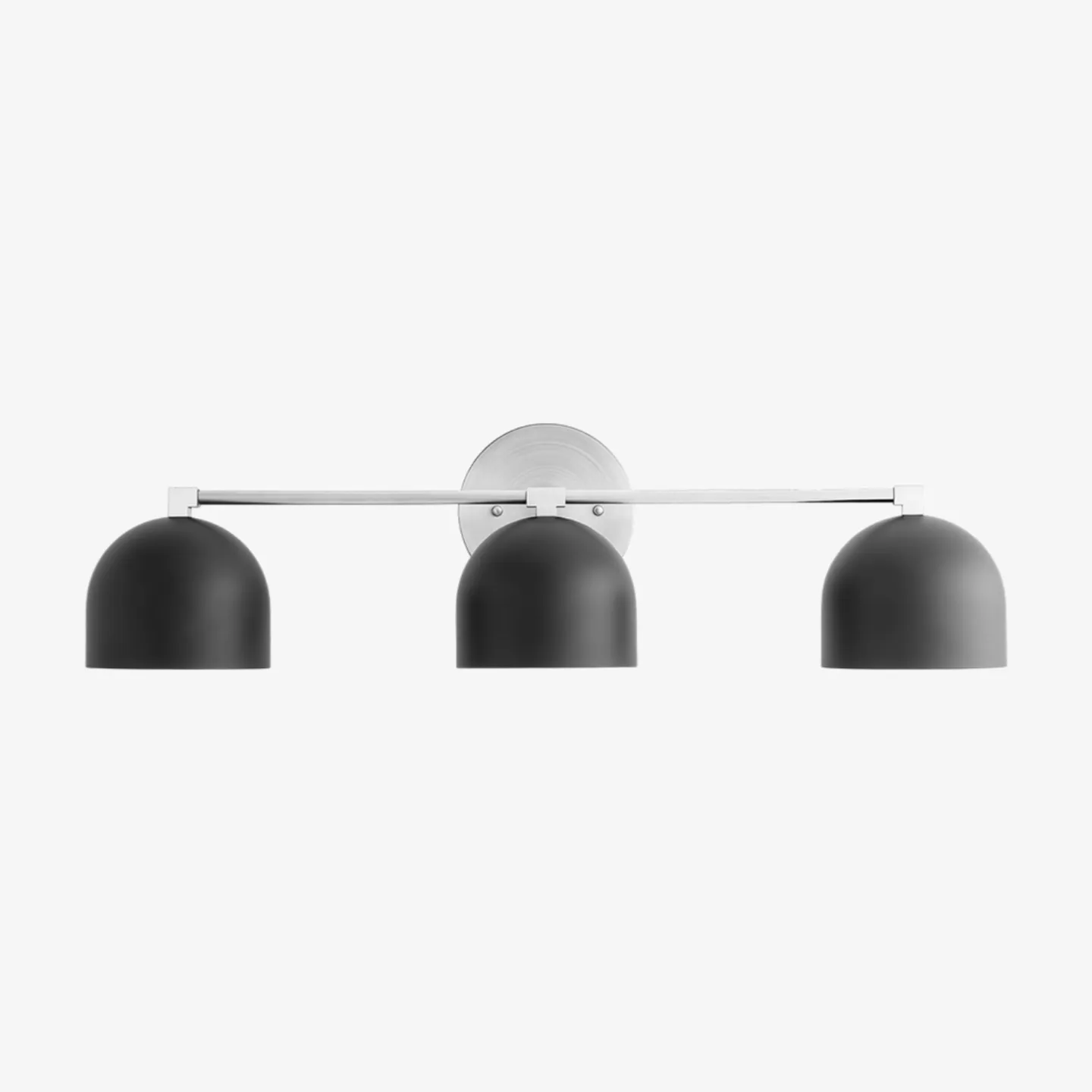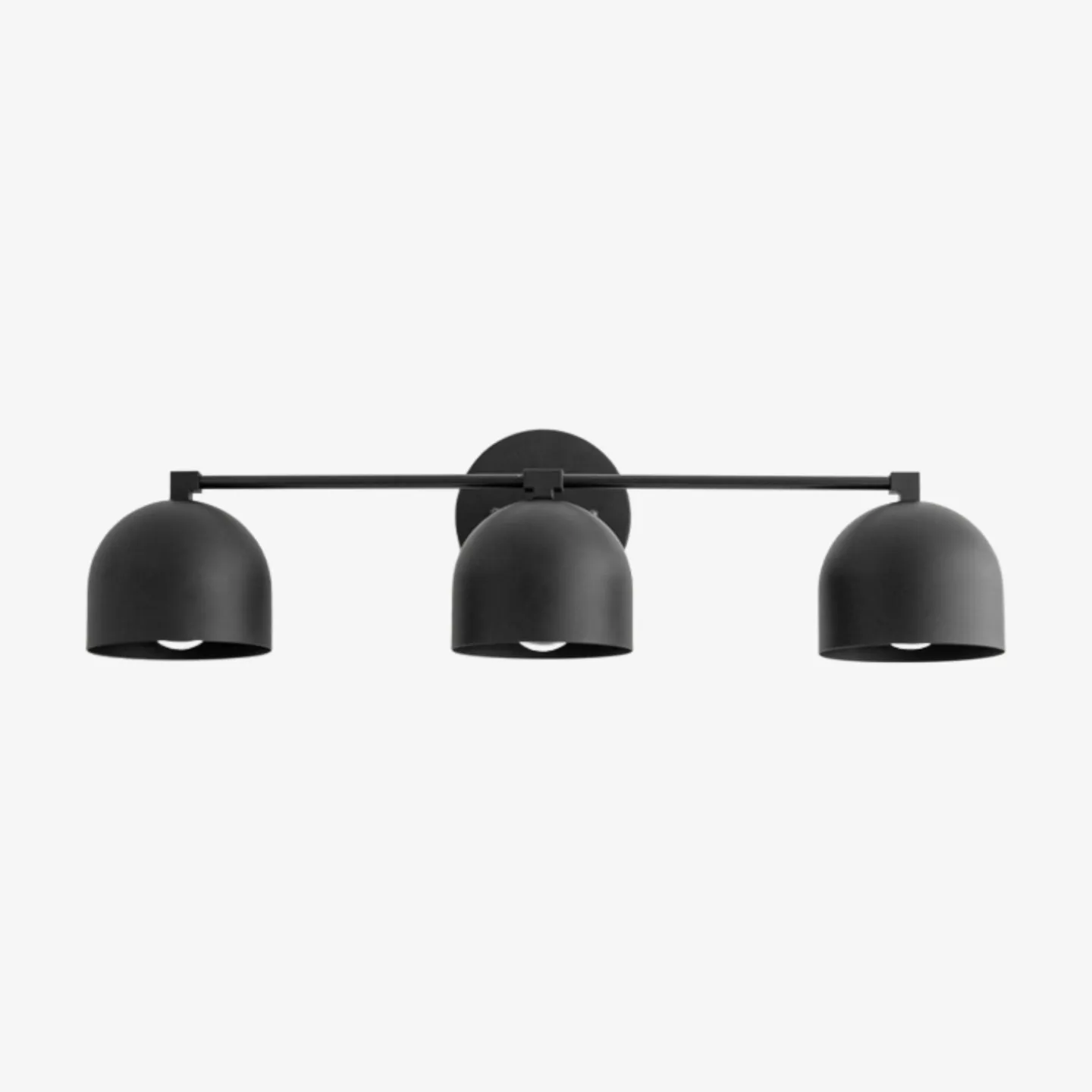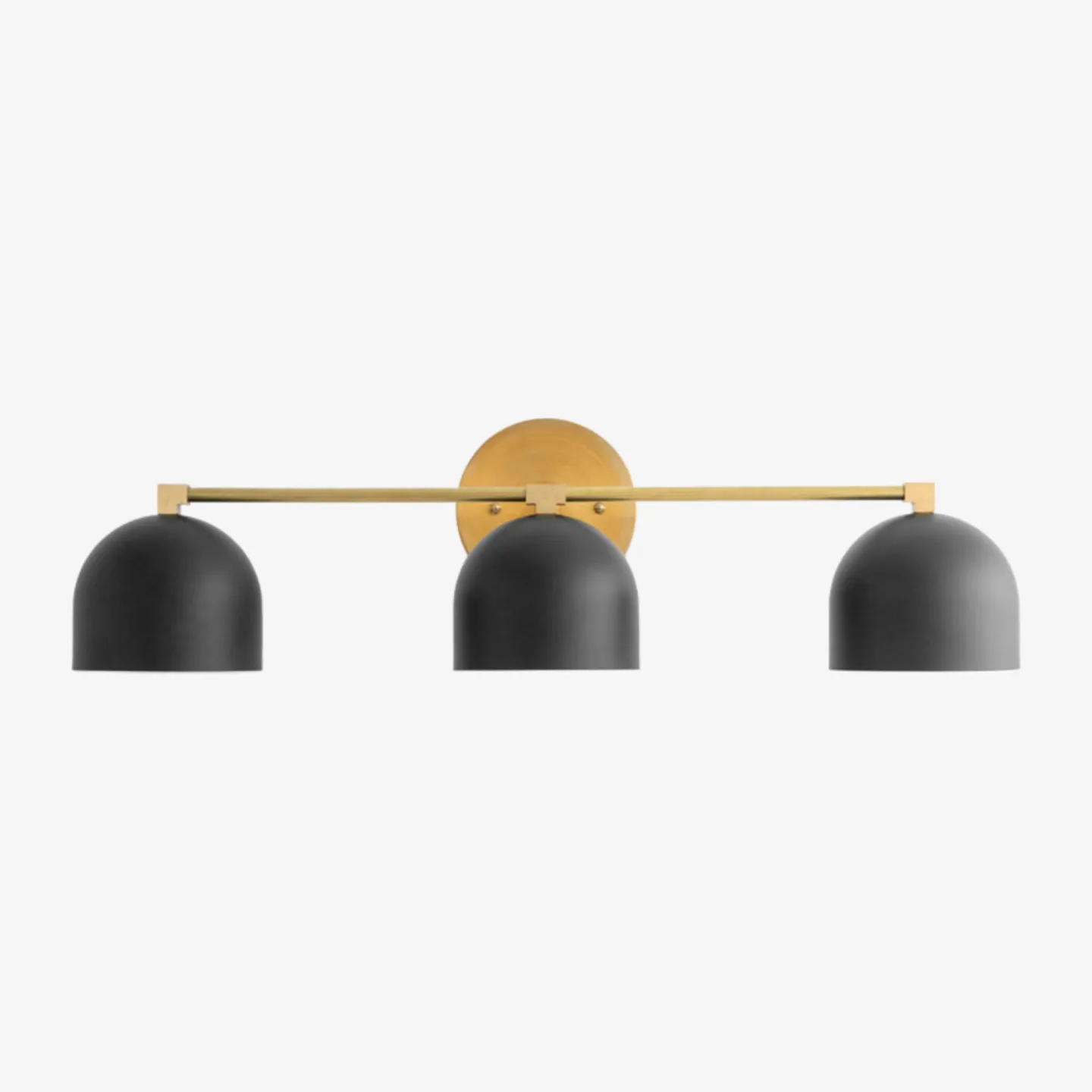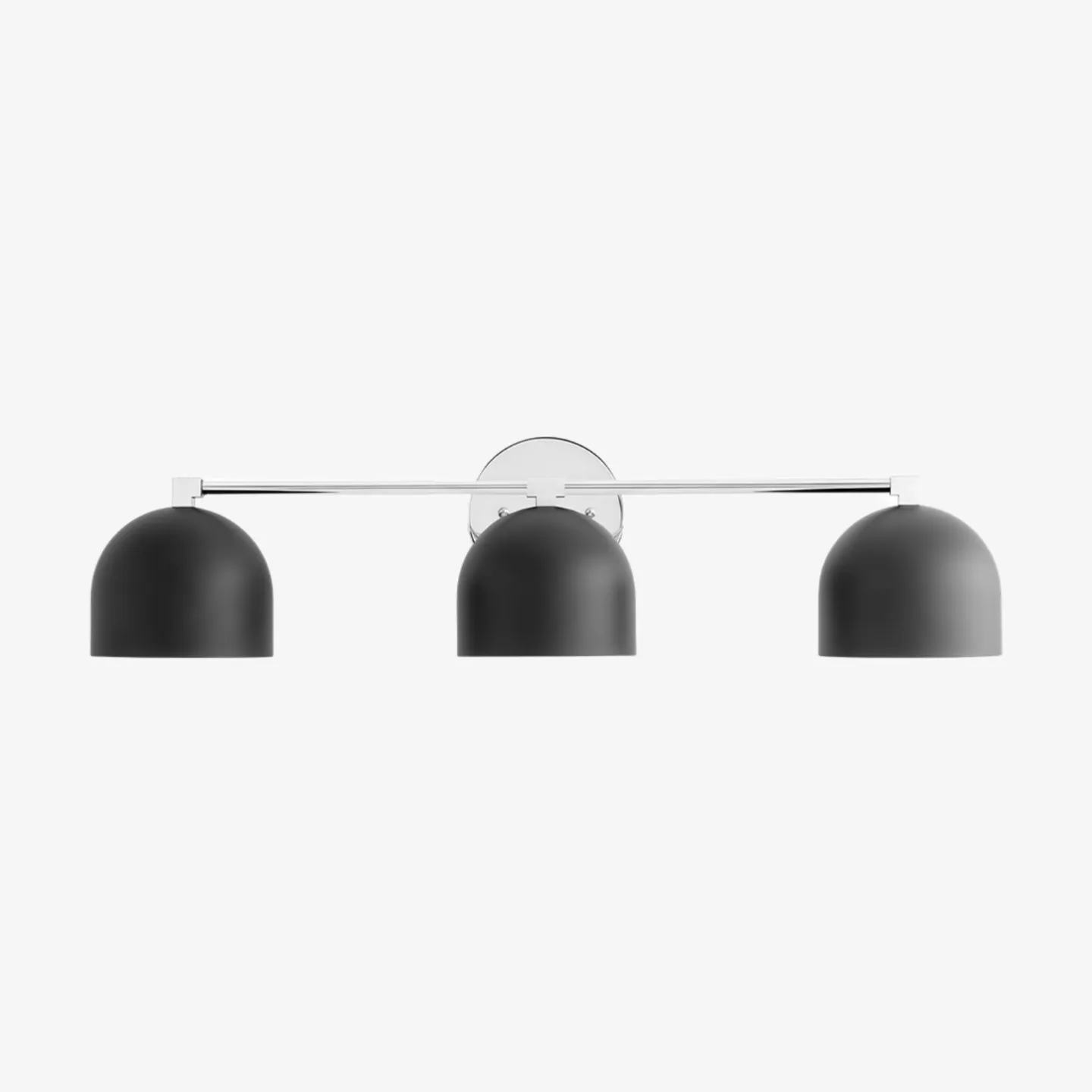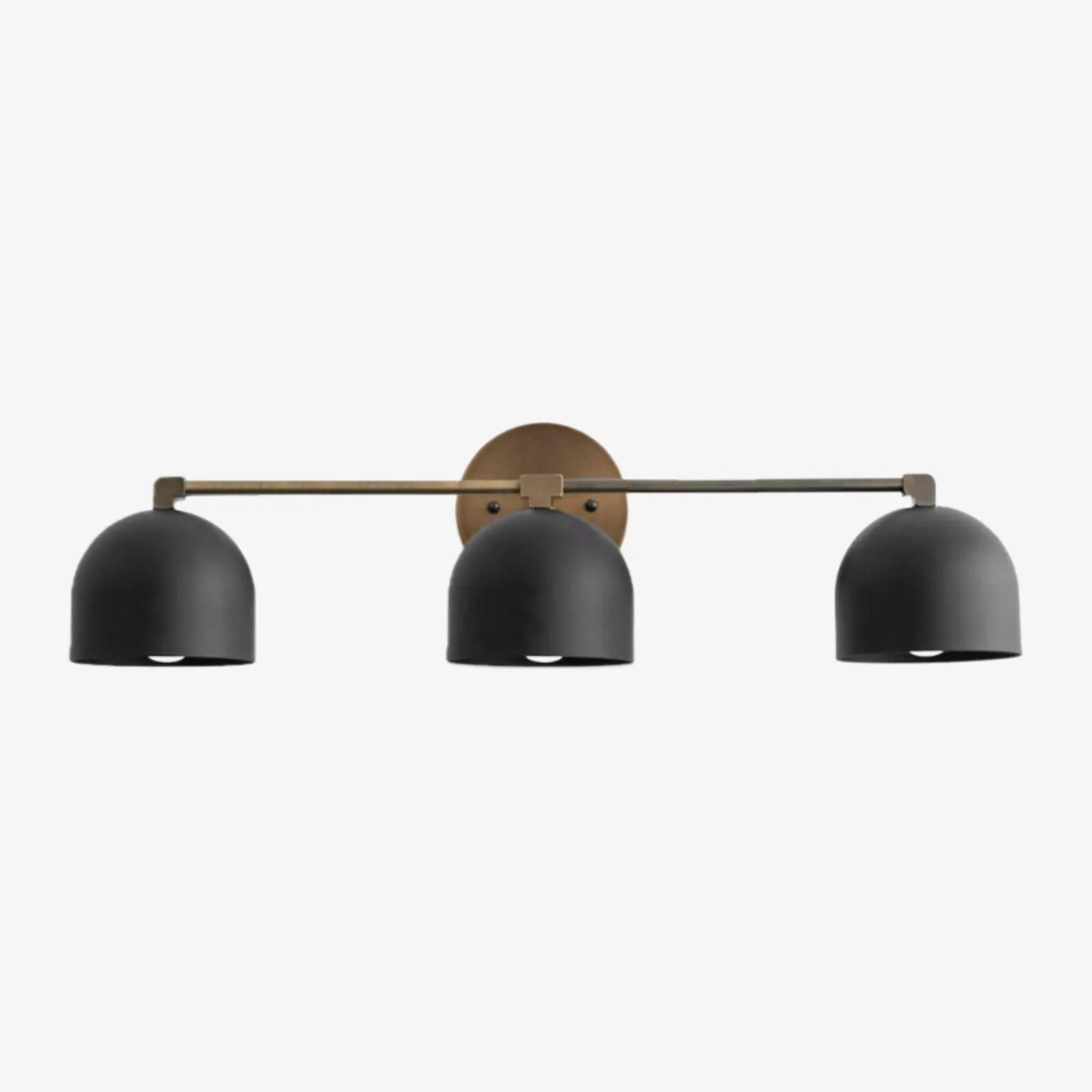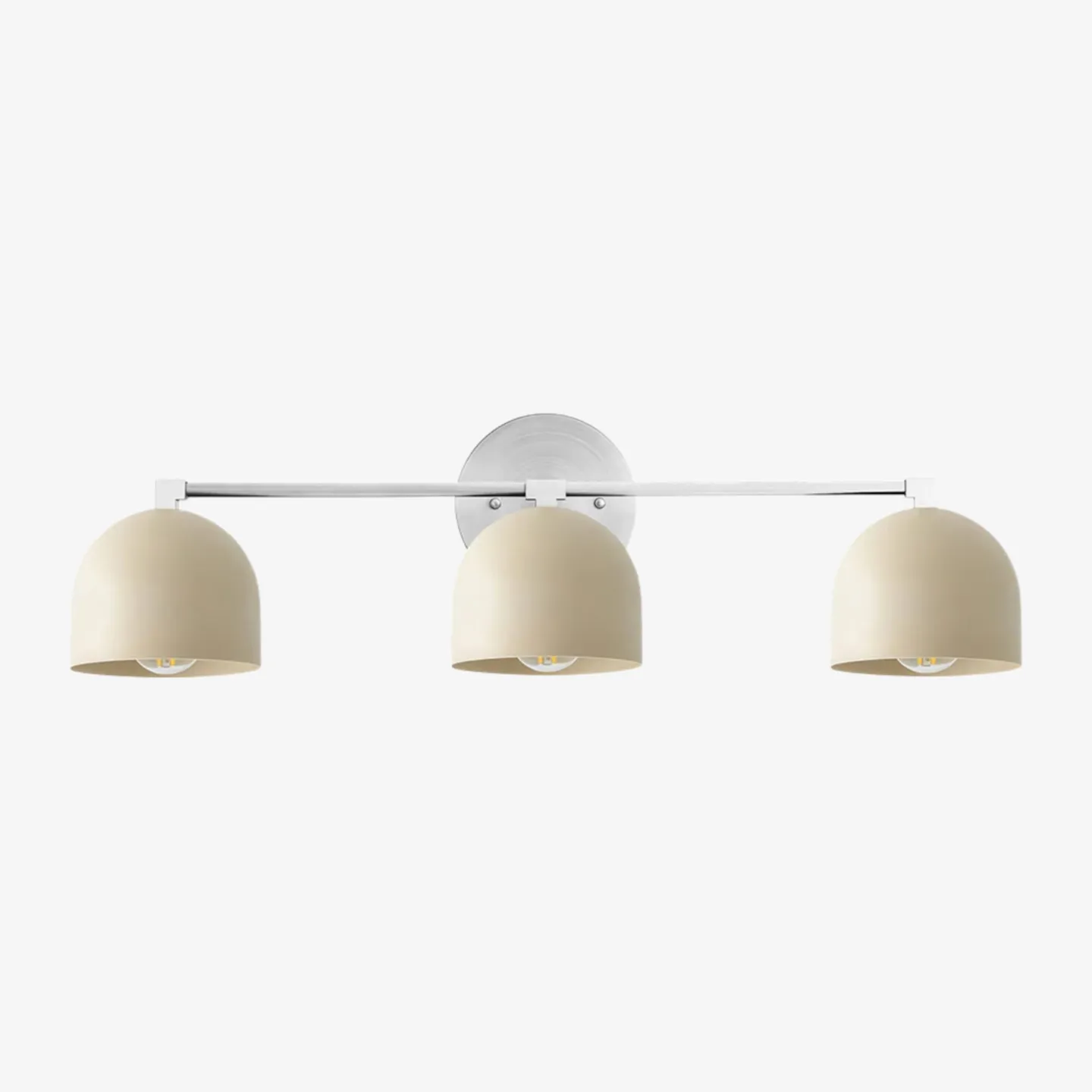
The right vanity light size starts with the mirror and the layout, not a universal fixture rule. Measure the mirror, identify whether the sink is single or double, then choose a fixture whose width and light distribution fit the usable wall area. A horizontal multi-light vanity fixture can work above a mirror; a single wall sconce is a different solution and should be evaluated for side clearance and light direction.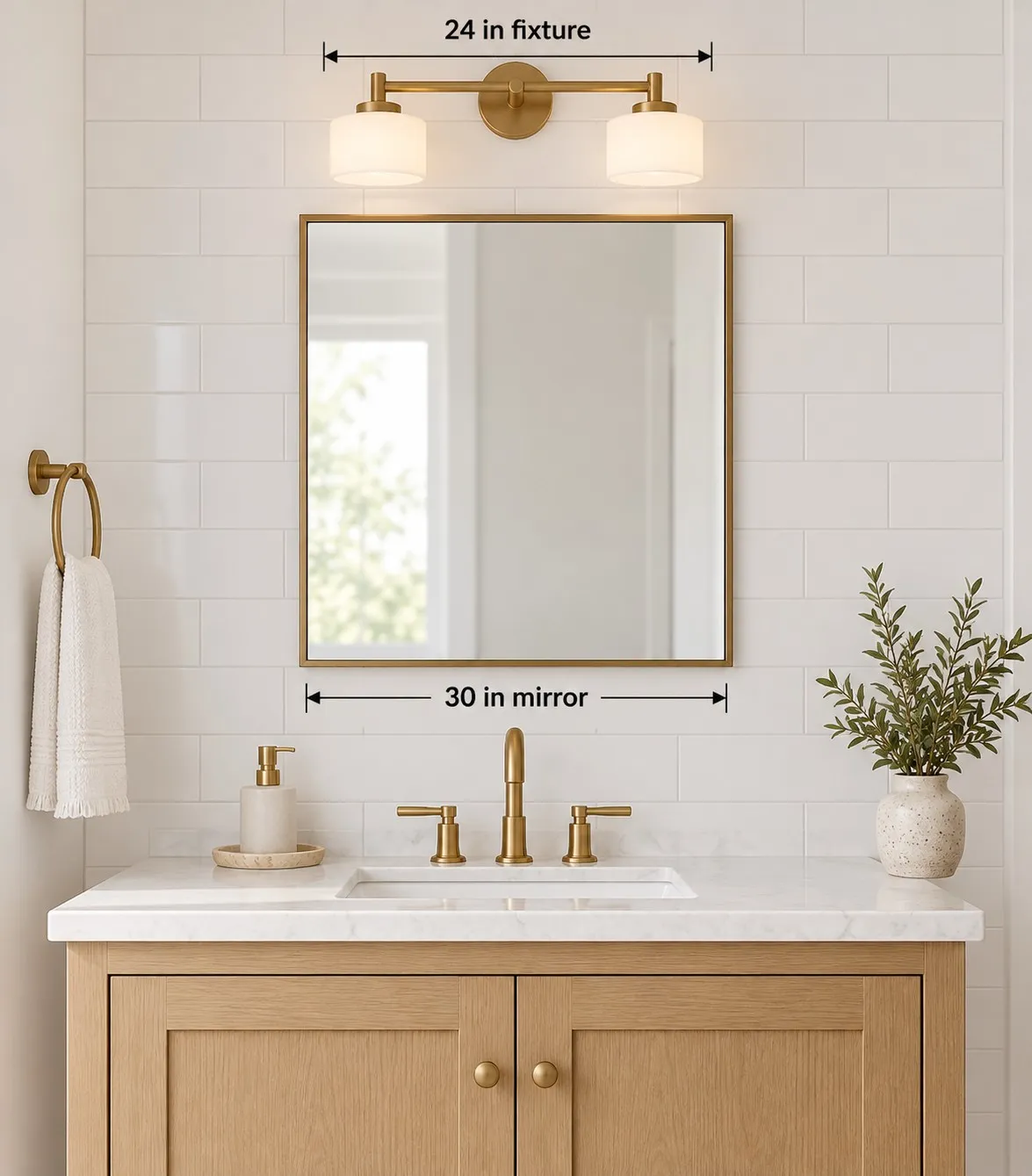
Start with the mirror width
For a light above the mirror, compare the fixture width with the mirror width. A fixture slightly narrower than the mirror often looks intentionally proportioned, while a fixture that is much wider can dominate a small vanity wall. Use the actual product width and the mirror’s frame width in the comparison.
| Mirror width | Illustrative fixture range | How to use the example |
|---|---|---|
| 24 in | 18–24 in | Example starting range for a compact single-sink wall; verify the wall and shade spread. |
| 30 in | 24–30 in | Useful for a standard single vanity when the fixture is centered. |
| 36 in | 30–36 in | Can suit a wider single vanity or a visually substantial mirror. |
| 60 in | Two coordinated fixtures or a longer multi-light fixture | Choose based on two sinks, mirror divisions, and available electrical boxes. |
These are proportion examples, not building or electrical requirements. The frame, sconces, medicine cabinet, and wall width can change the best choice.
Match the fixture type to the lighting job
Horizontal multi-light vanity light
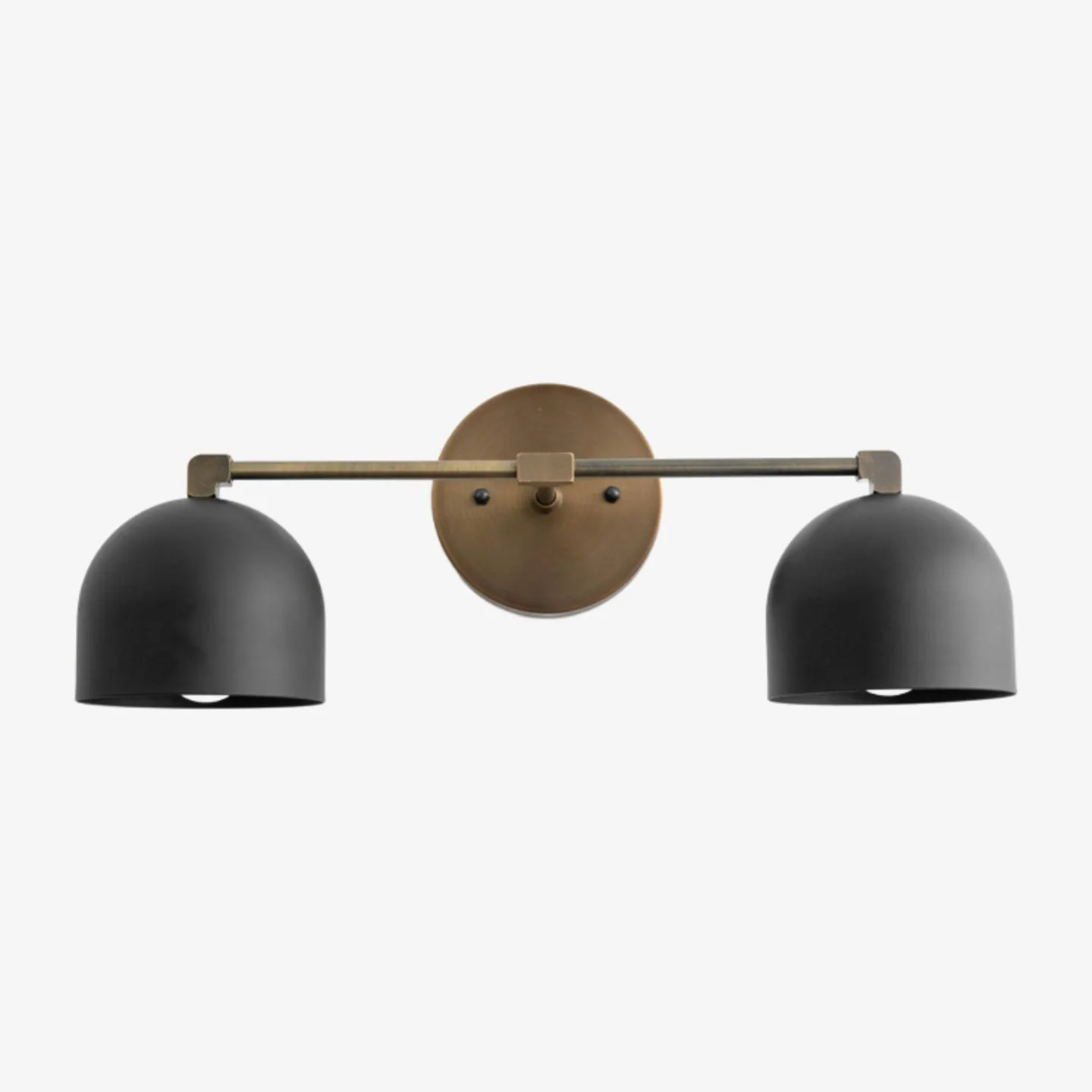
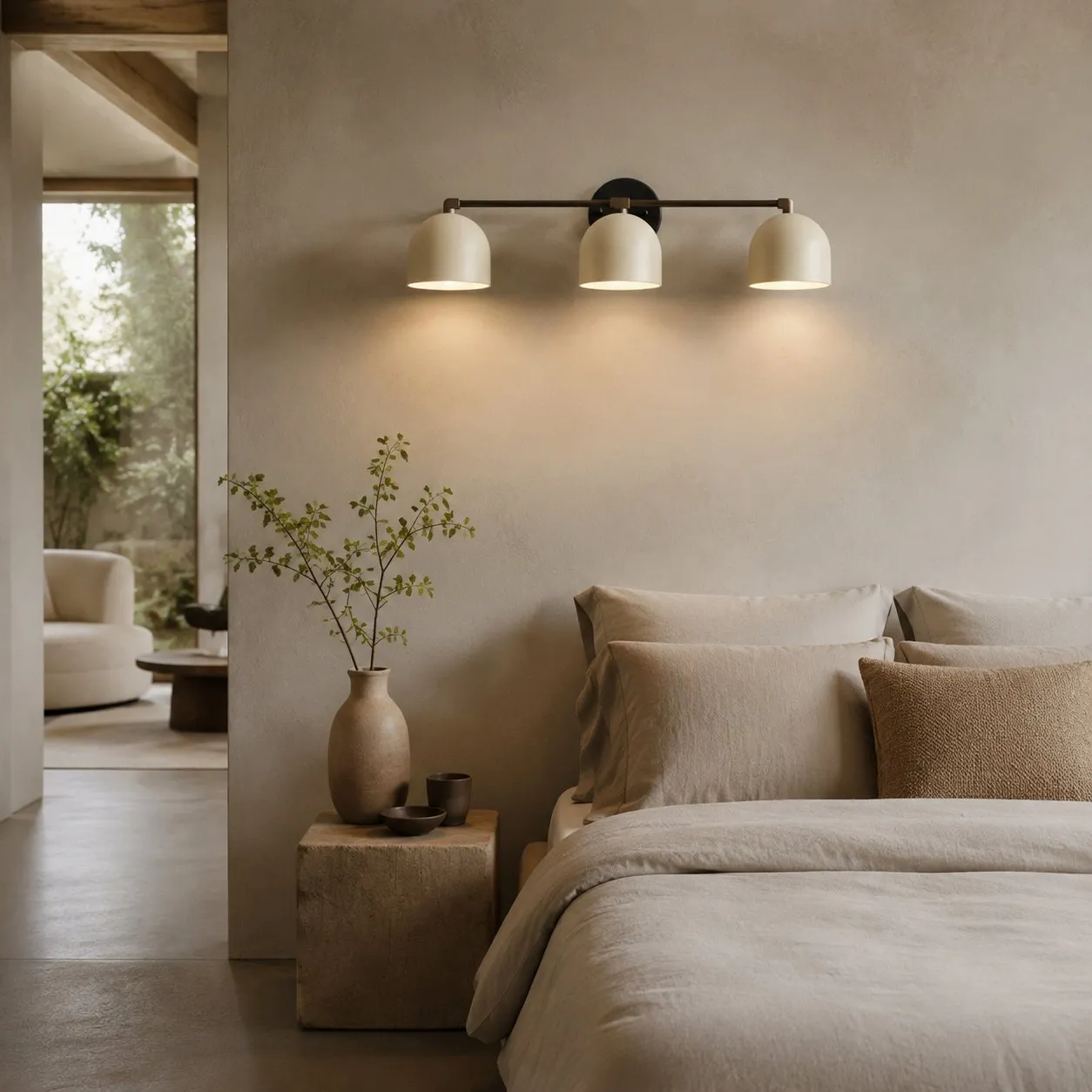
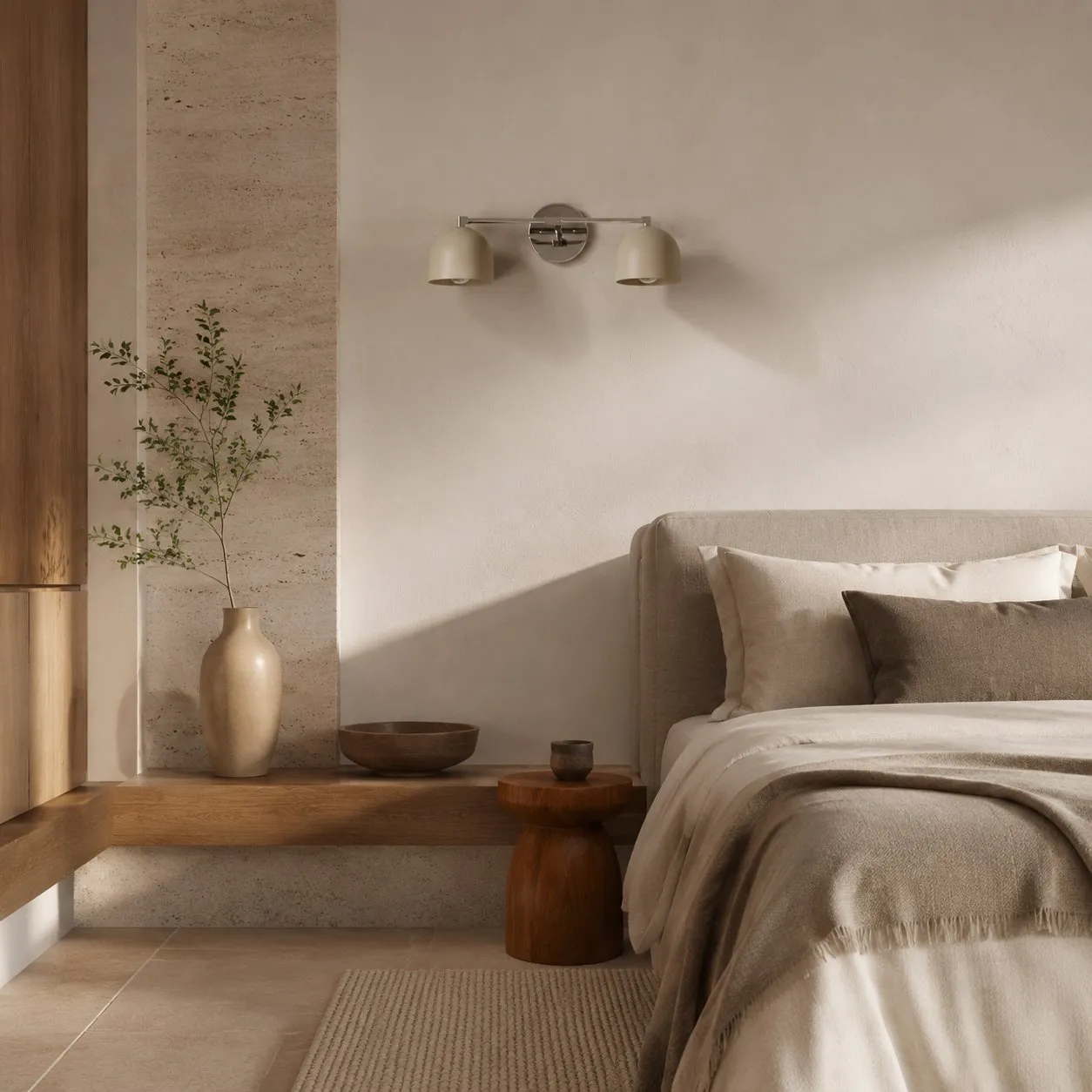
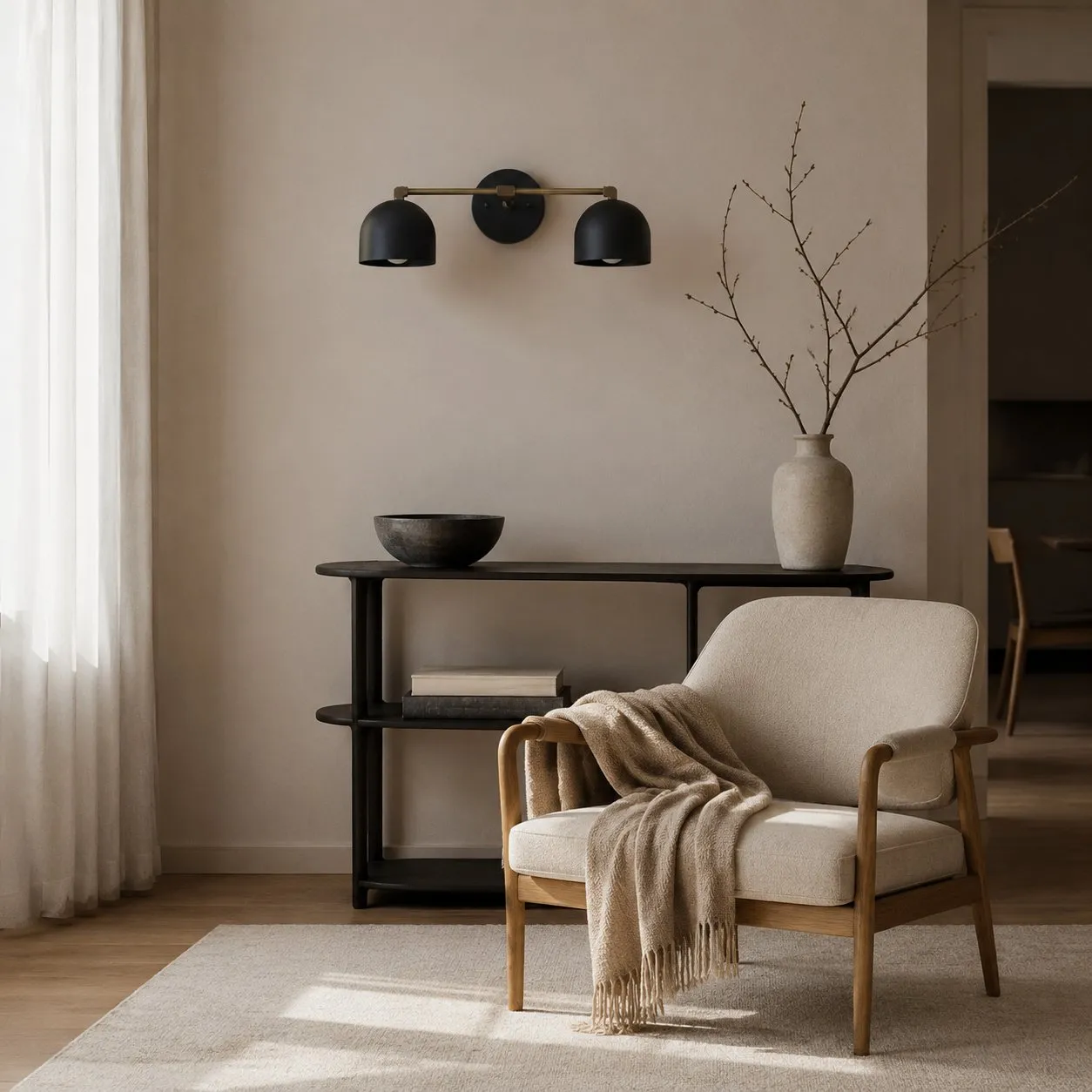
A multi-light bar distributes light across the mirror and is commonly evaluated as one centered fixture above it. The Villenas Metio Dome Mid-Century Vanity Wall Sconce is listed in 24-inch two-light and 36-inch three-light options, so compare the selected width with the mirror rather than treating the product name as a single-sconce specification.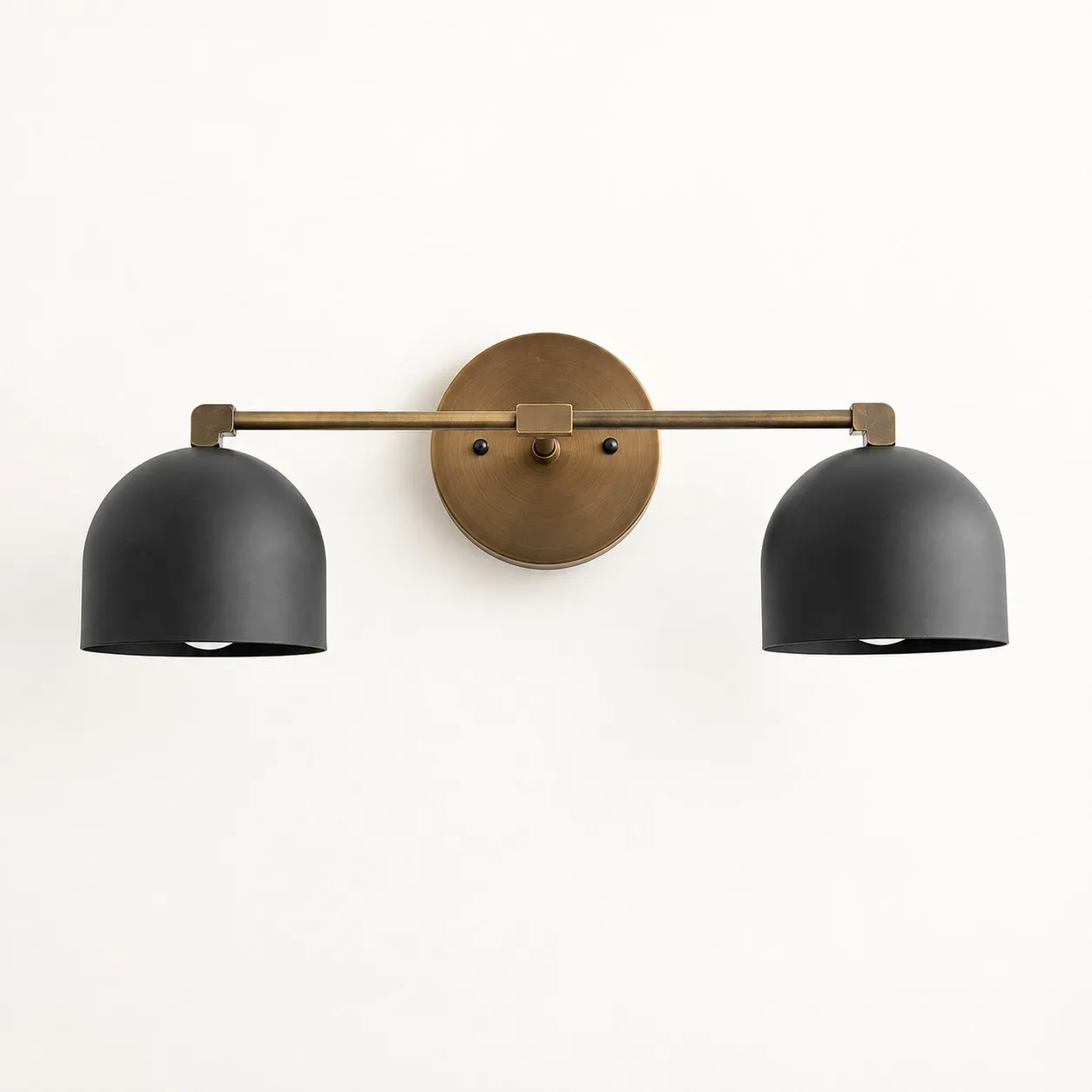
Single wall sconce
A single sconce is a point source. One may work beside a small mirror; two can frame a wider mirror when the wall and wiring allow it. Do not assume a horizontal vanity bar can be installed on the sides or that every sconce is rated for bathroom moisture.
Above-mirror versus side lighting
Above-mirror lighting emphasizes horizontal coverage. Side lighting can reduce shadows on the face when placed symmetrically, but it requires enough wall width and careful coordination with the mirror, faucet, and medicine cabinet.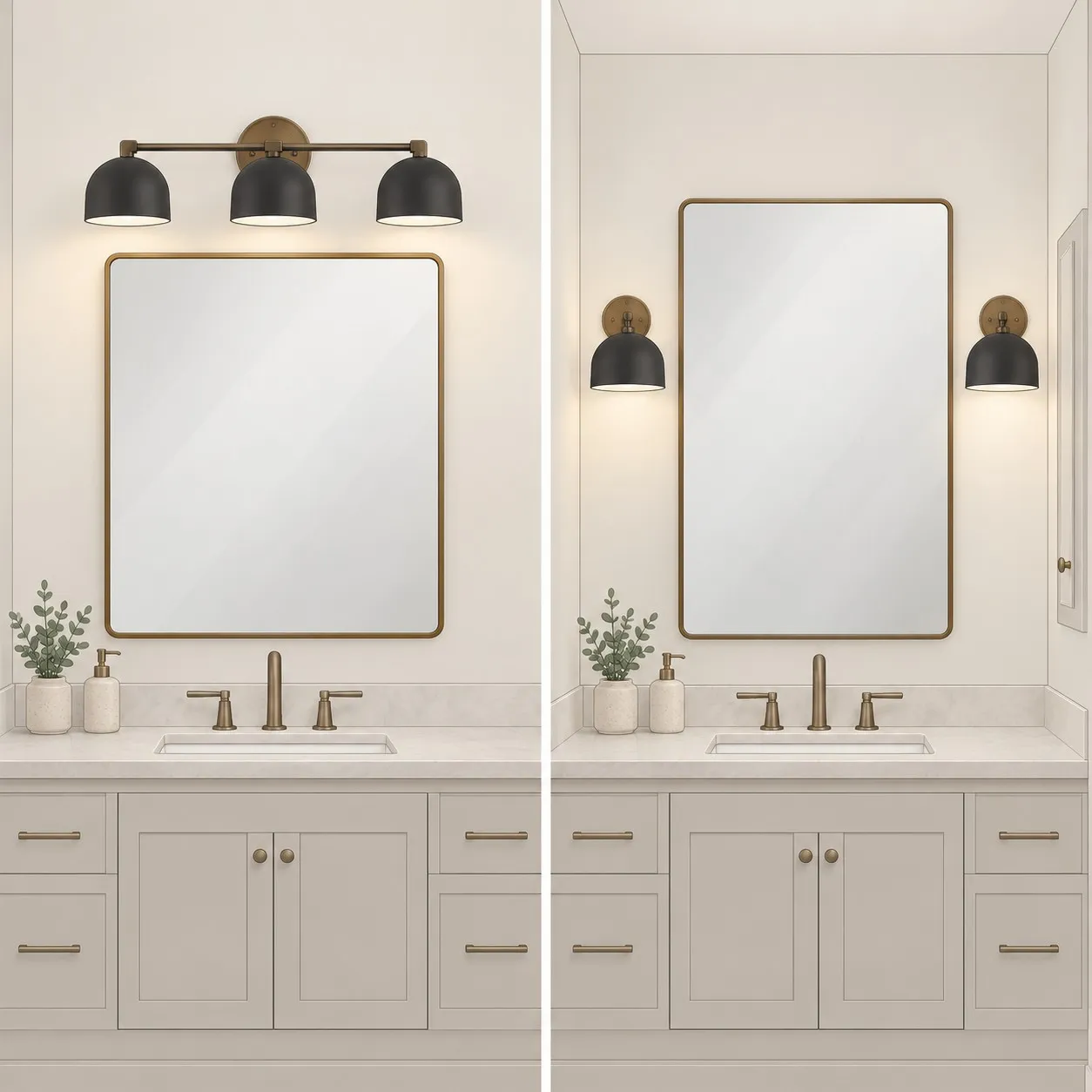
Single sink and double sink layouts
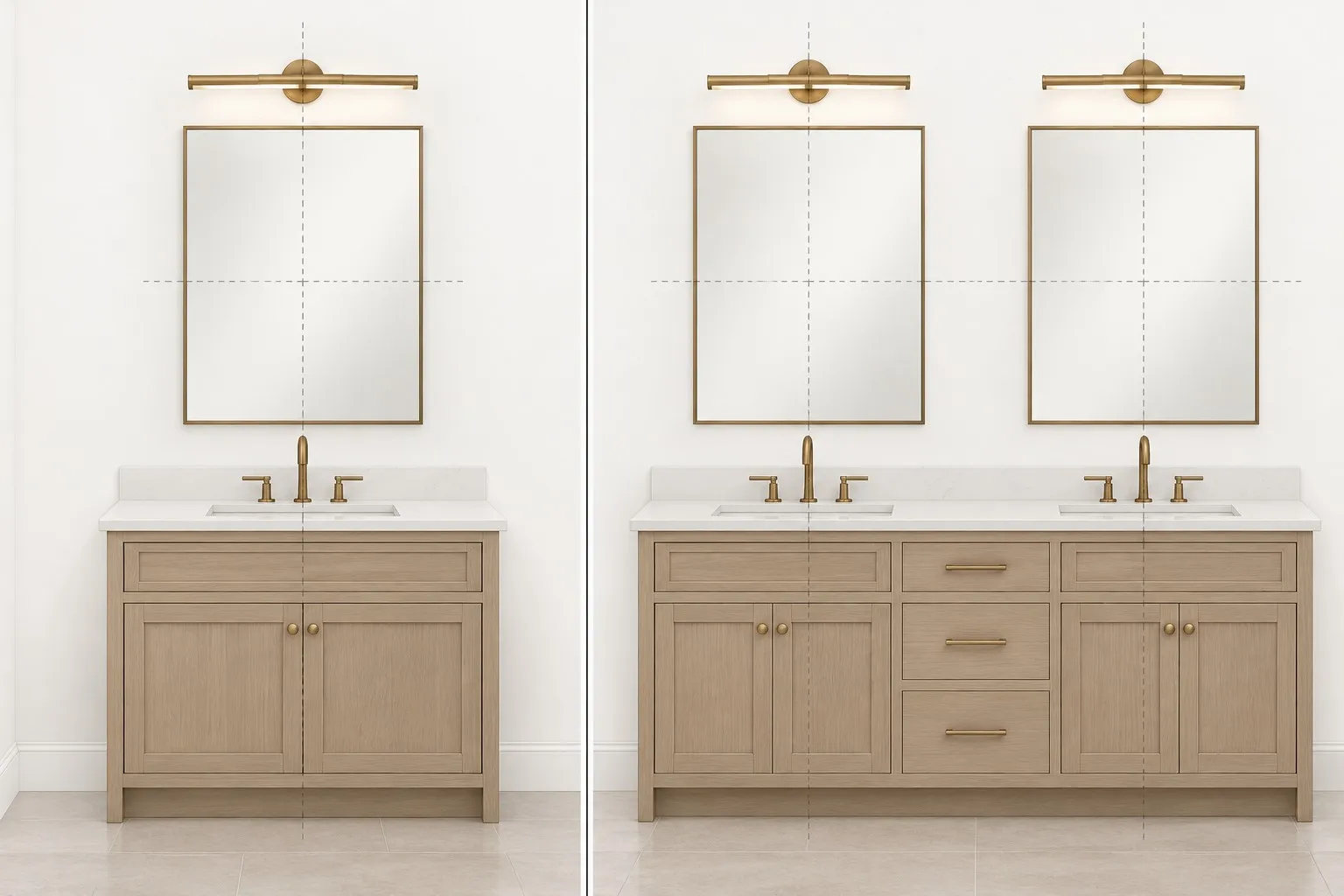
For one sink, center the mirror and fixture on the sink or vanity basin. For two sinks, decide whether one long fixture serves both mirrors or whether each basin gets its own light. Mark the mirror edges and electrical box locations with painter’s tape before ordering.
Check proportion beyond width
Compare fixture height, shade depth, finish, and visual weight with the mirror frame and cabinet. A deep shade may project farther into the room than a slim bar even when both have the same width. Leave room for cabinet doors and confirm that the backplate can cover the existing junction box.
Pre-purchase checklist
- Record mirror width, height, frame depth, and centerline.
- Measure wall width and the distance to cabinets or side walls.
- Confirm the fixture’s actual width, height, depth, lamp count, socket type, and mounting method.
- Verify the electrical box and whether the product is listed for the intended bathroom location.
- Confirm bulb shape, brightness, color temperature, and dimmer compatibility.
Key takeaway
Choose vanity light size by comparing real dimensions and light distribution with the mirror and sink layout. Treat the 24-inch and 36-inch Villenas options as product examples, then confirm the selected variant and bathroom suitability before installation.